 +91-9310172512
 +44-7831491778
 +971-526686526
Curating certified treasures
India UK UAE
+91-9310172512+44-7831491778+971-526686526 India UK UAE+91-9310172512+44-7831491778+971-526686526 India UK UAE
Curating certified treasures
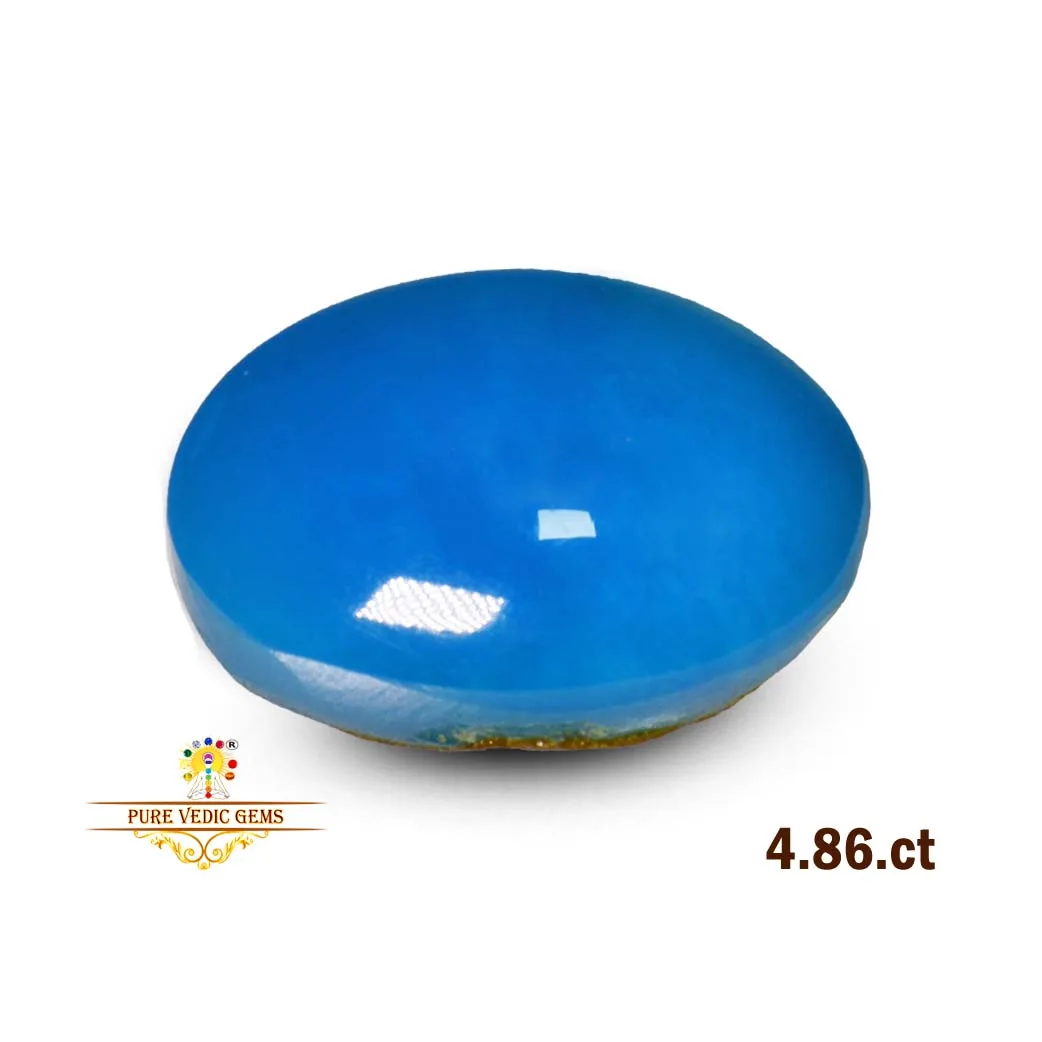
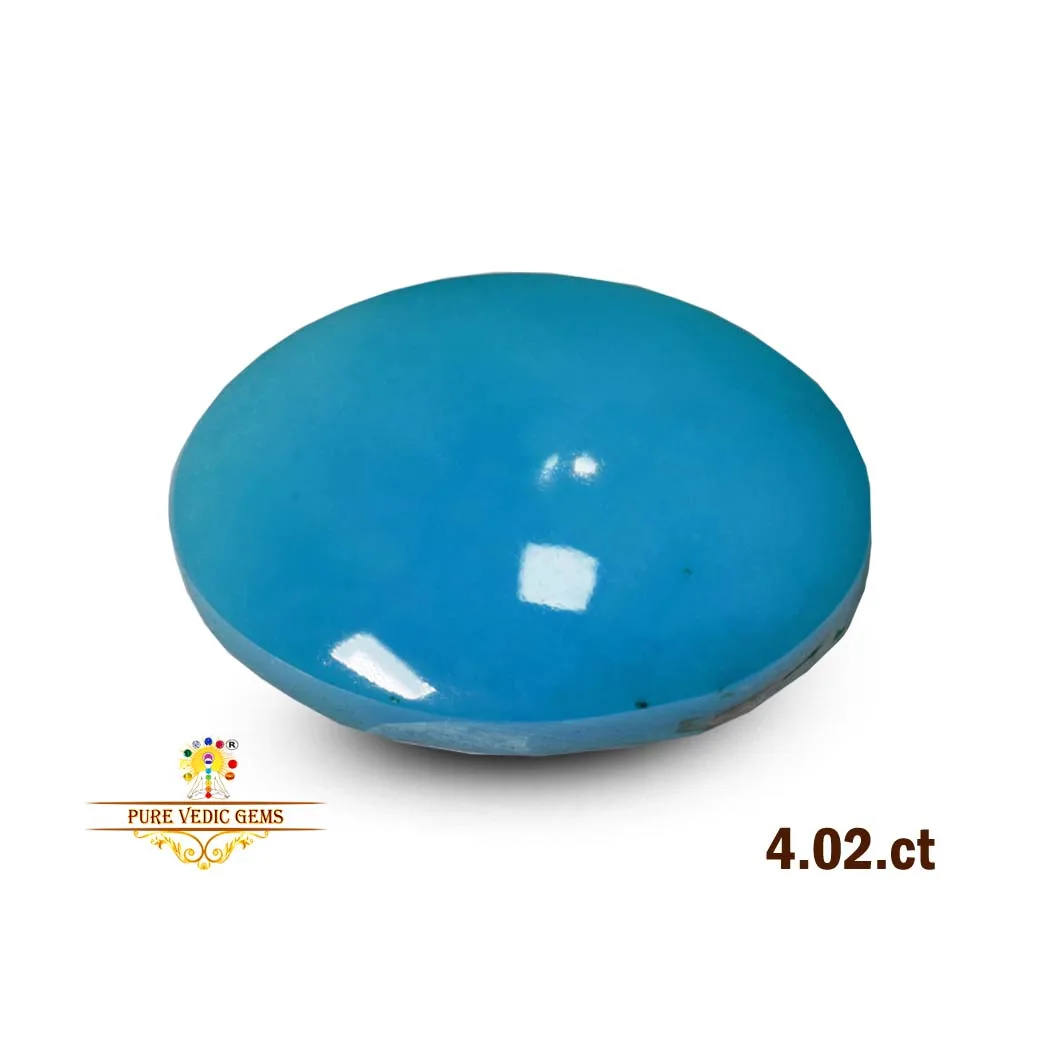
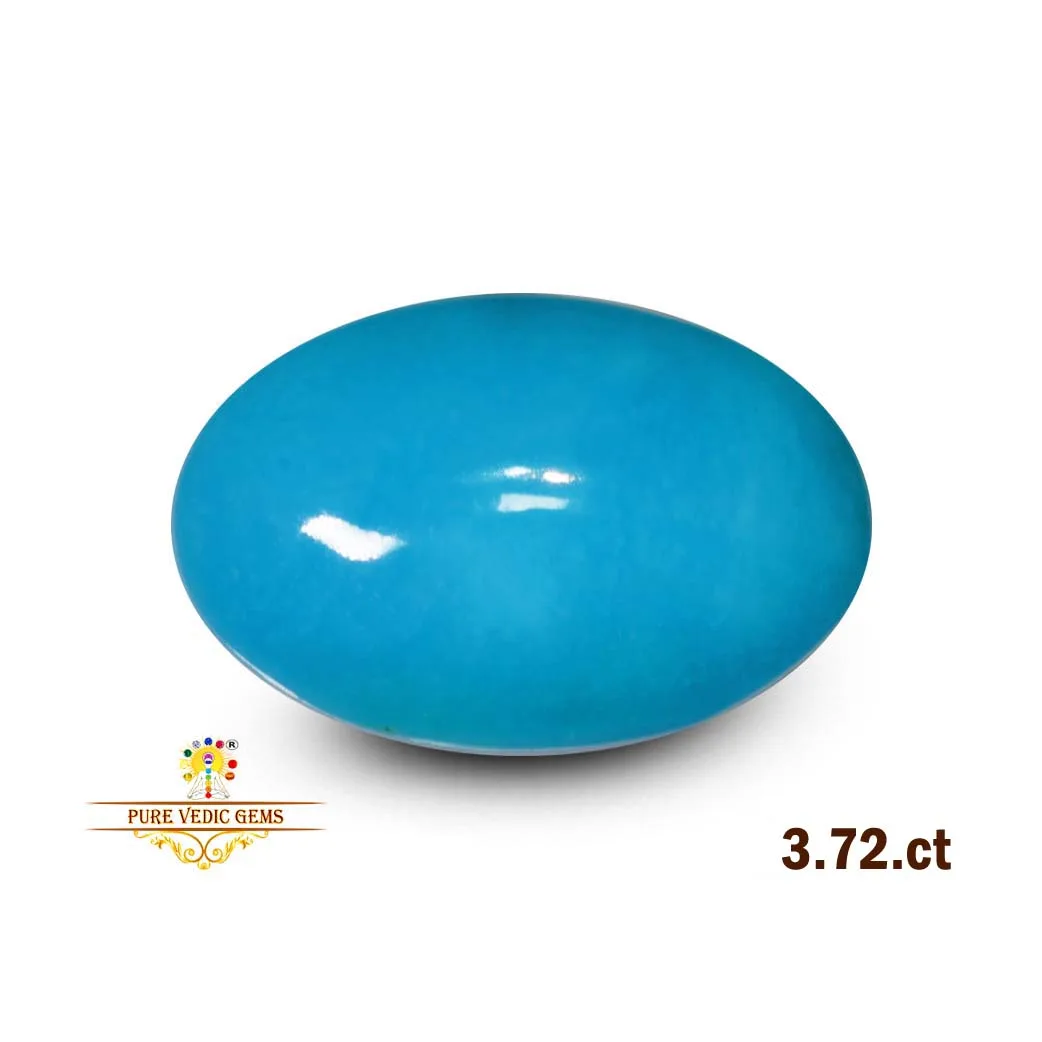
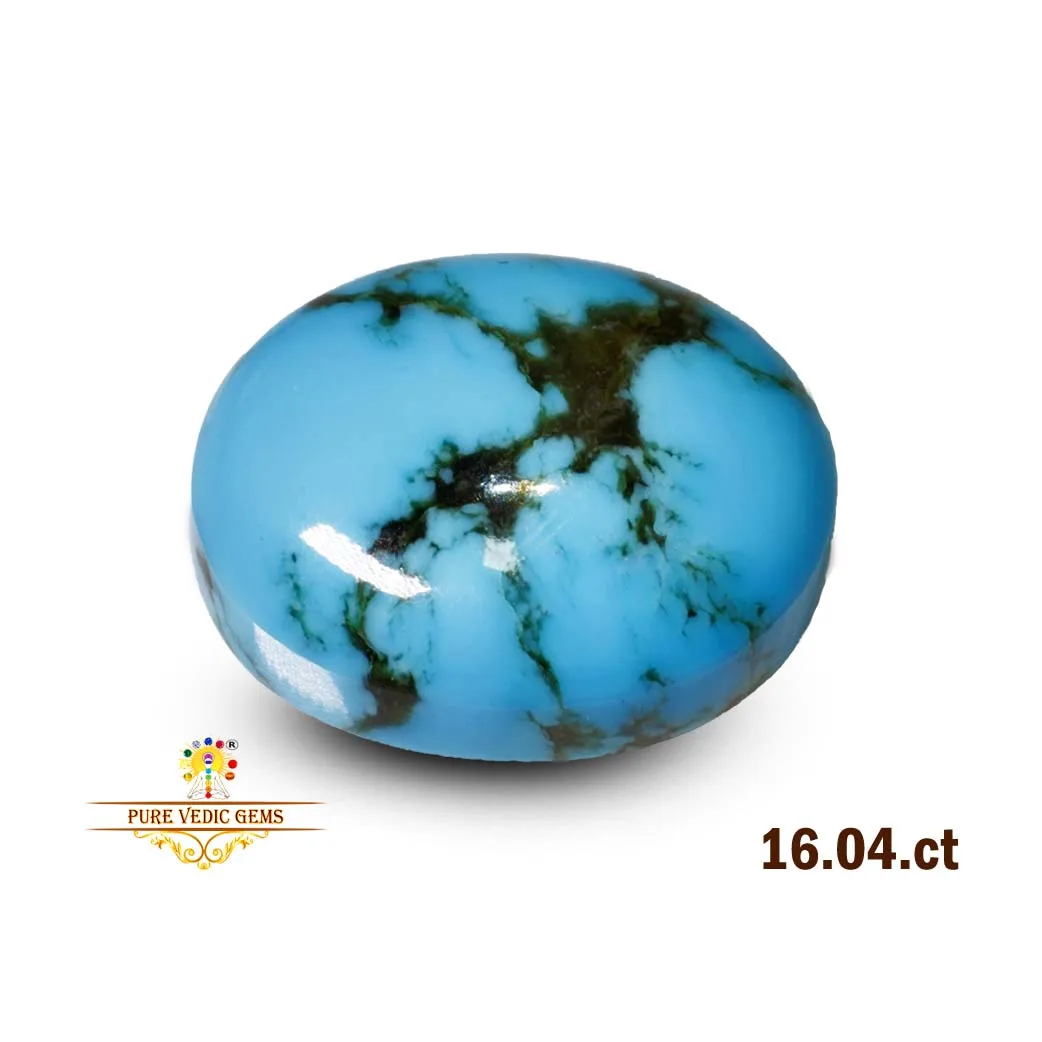
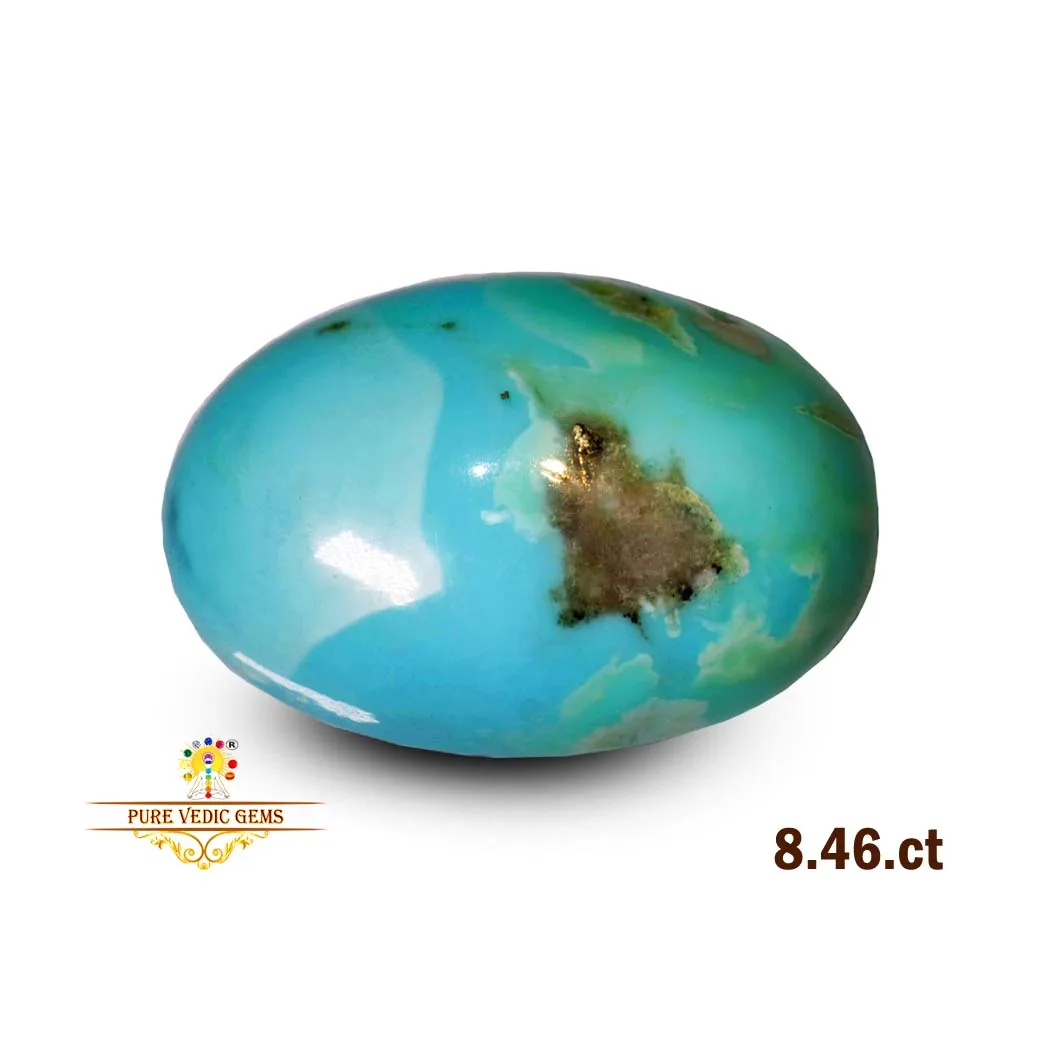
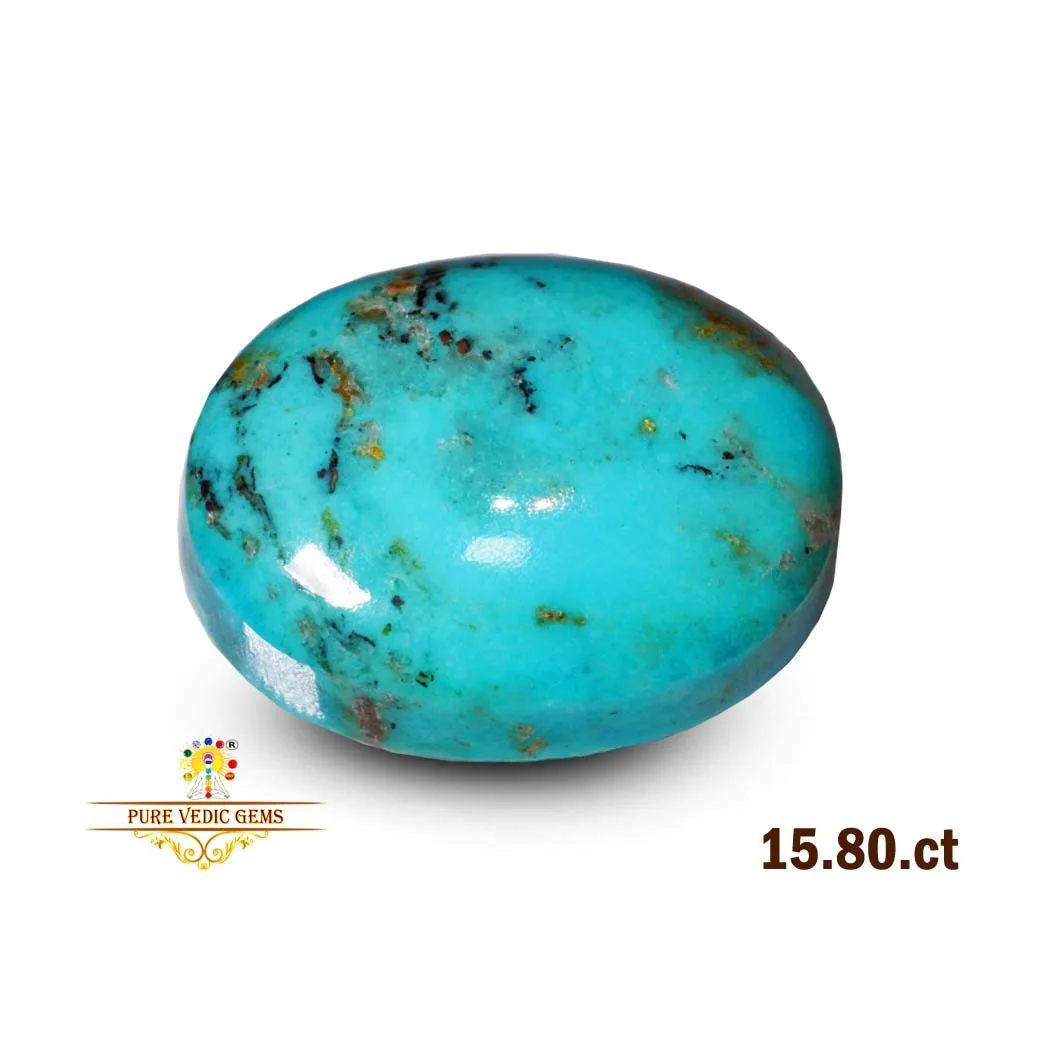
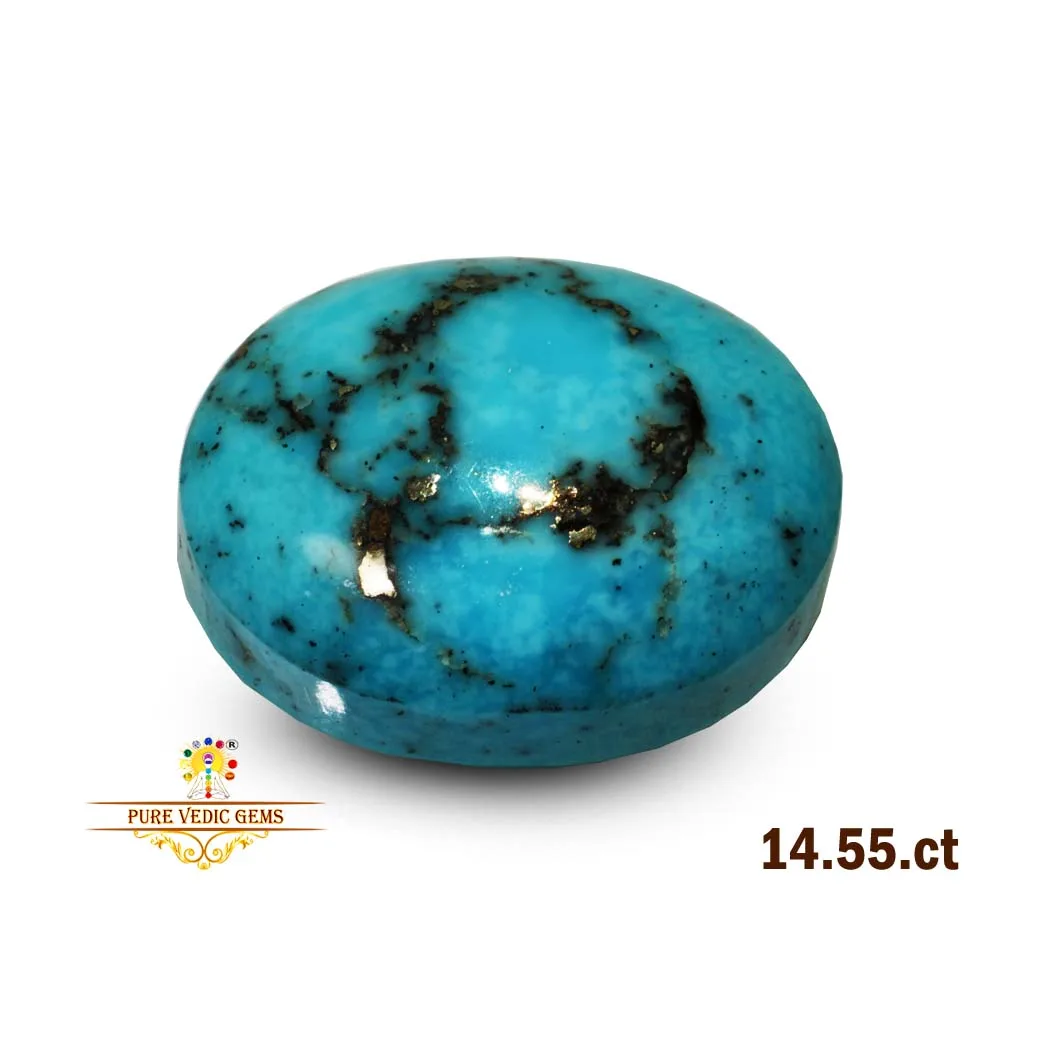
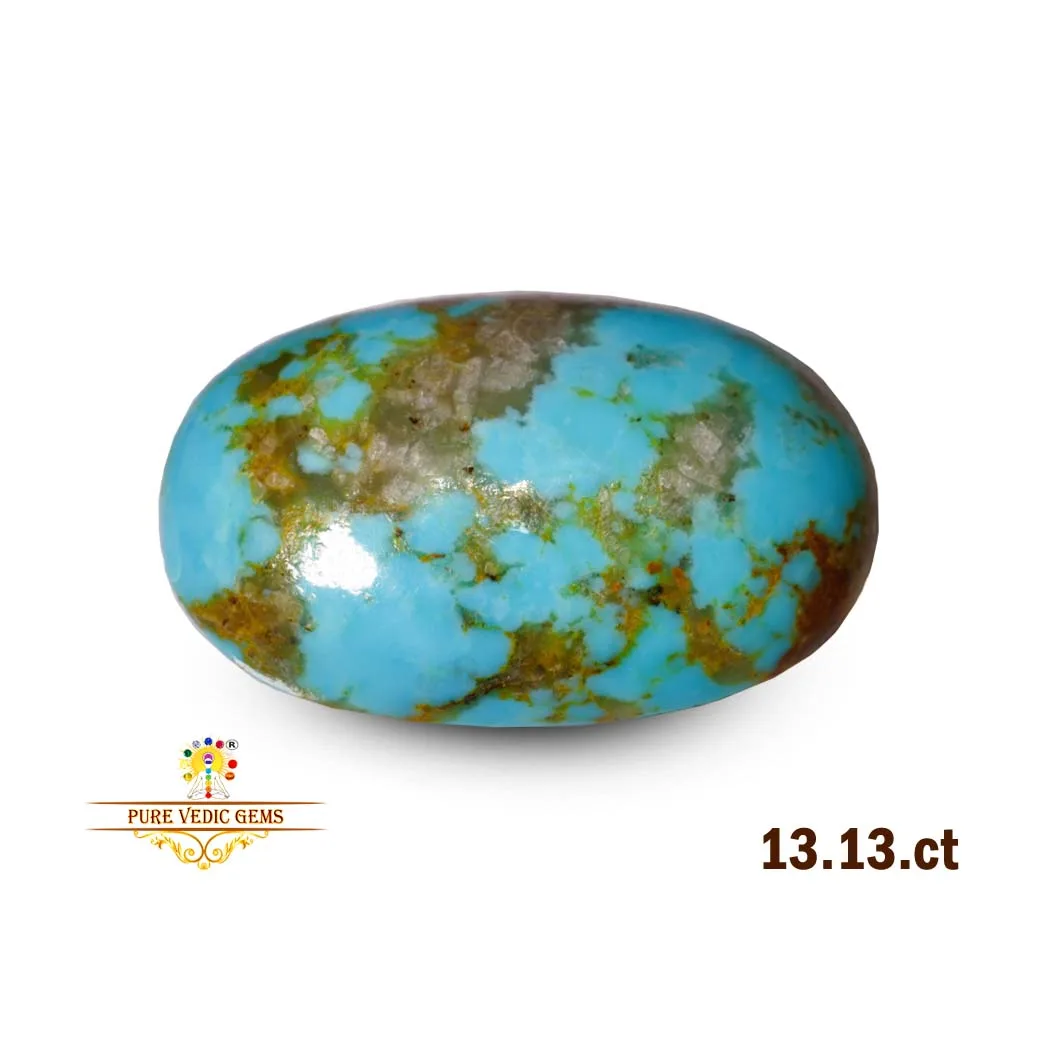
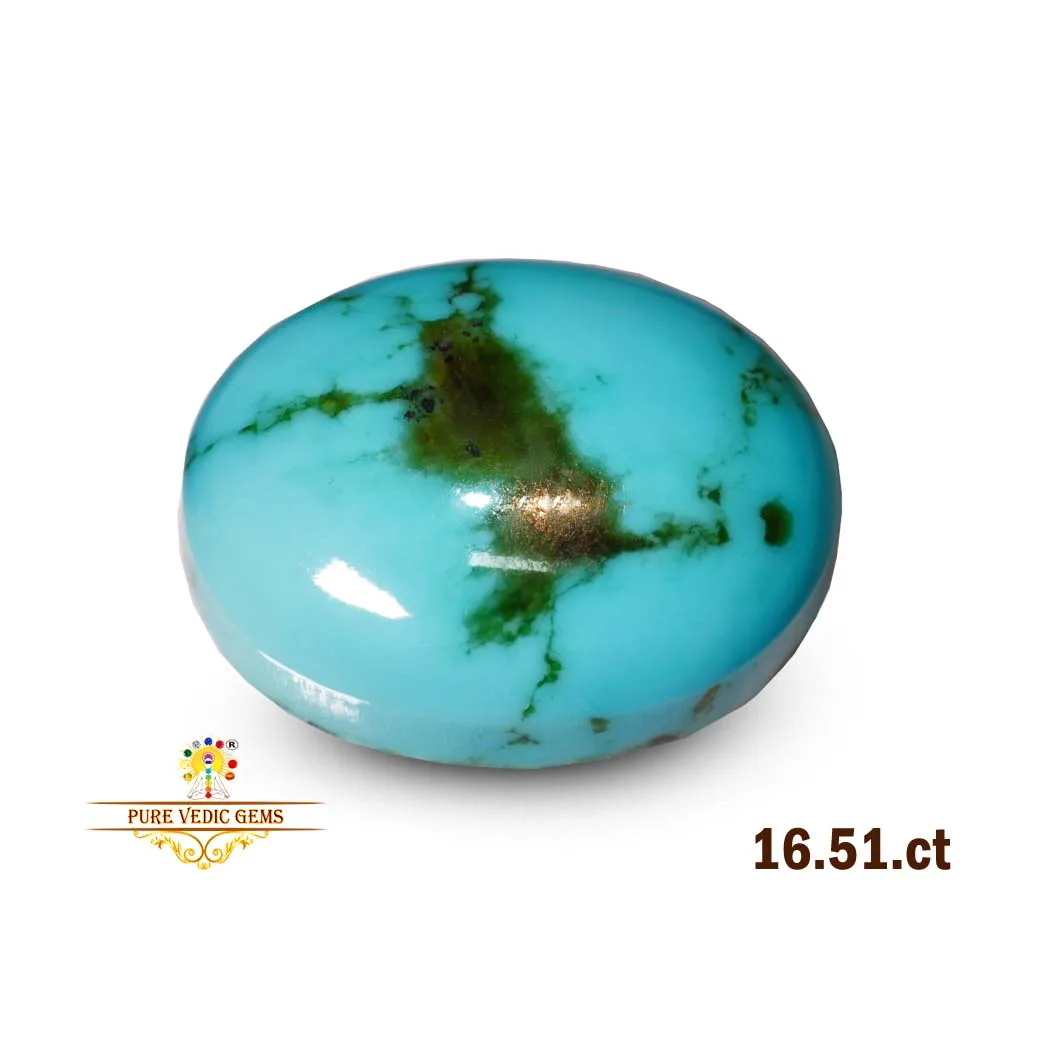
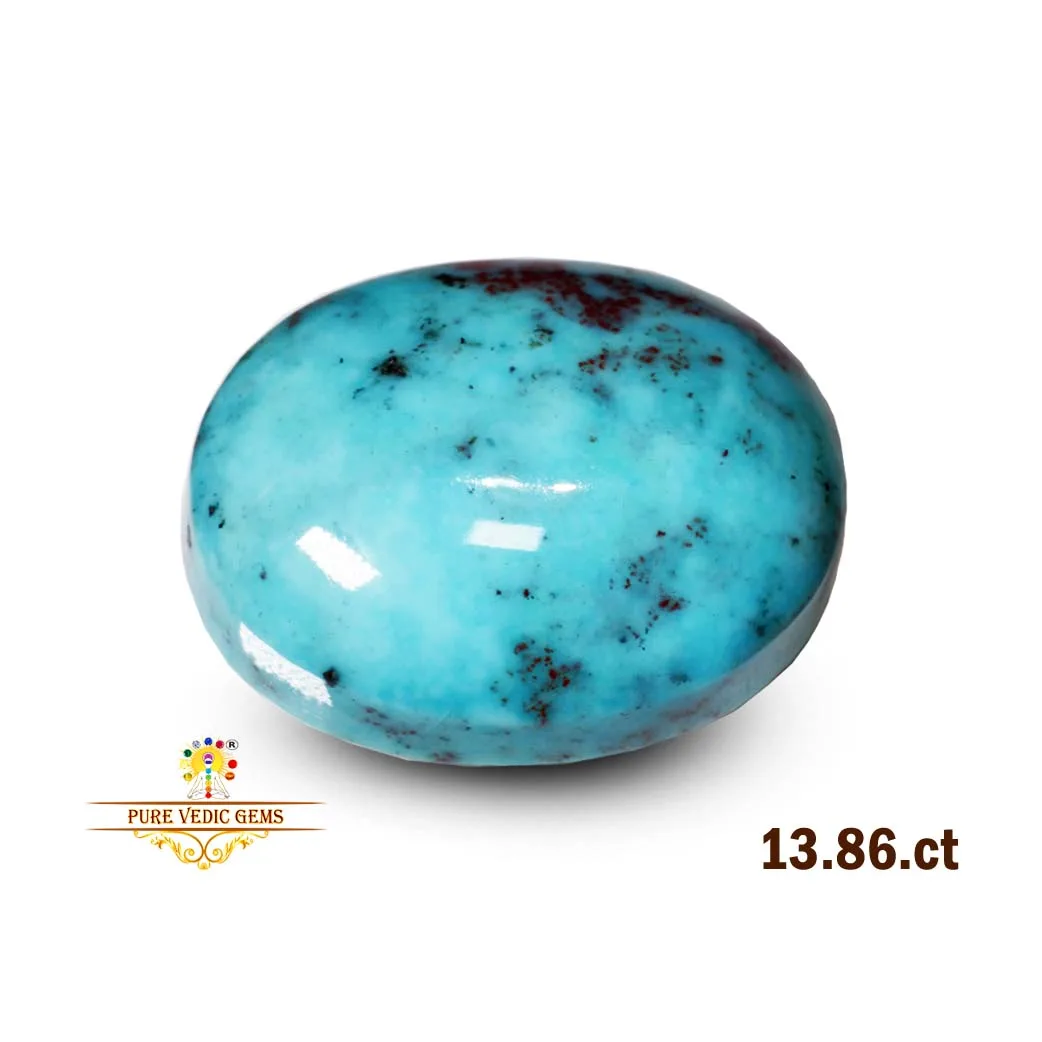
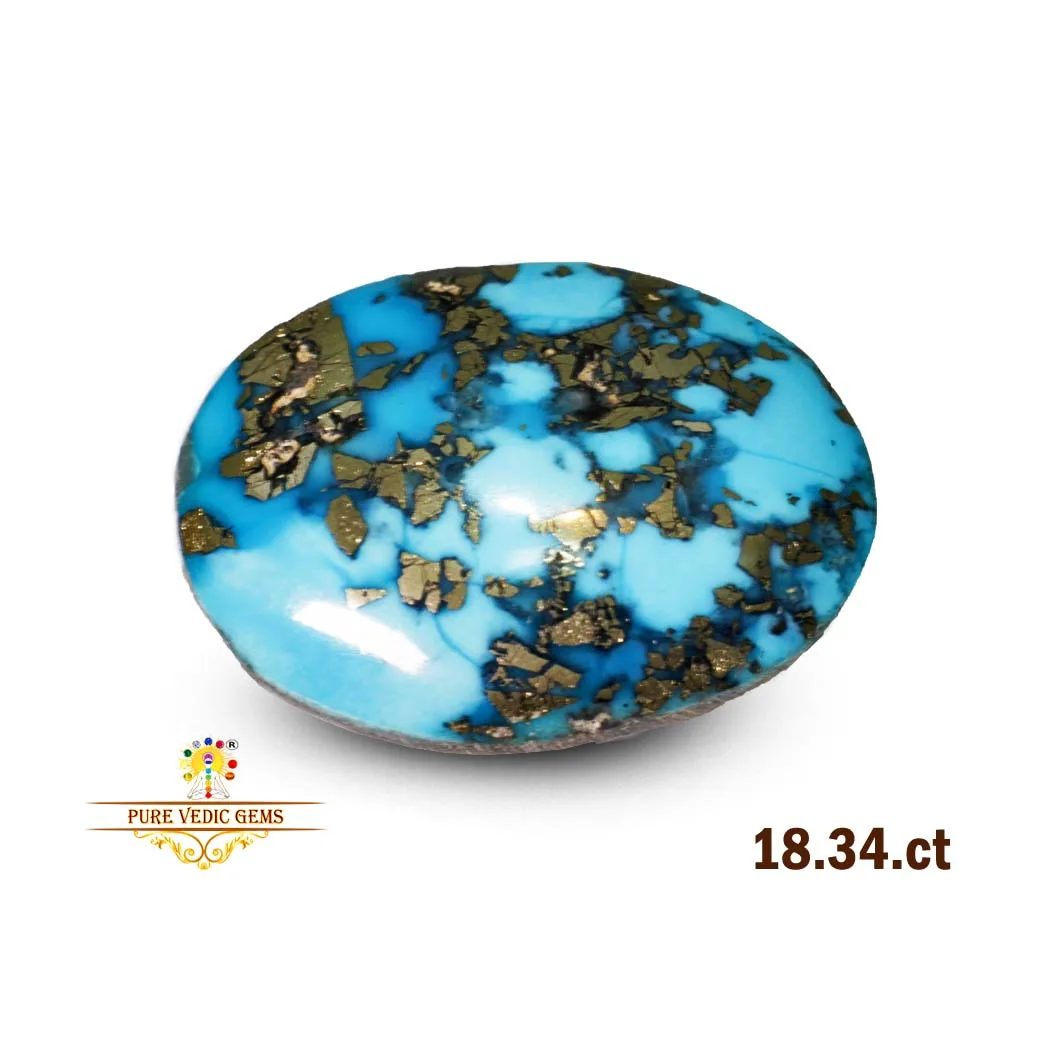
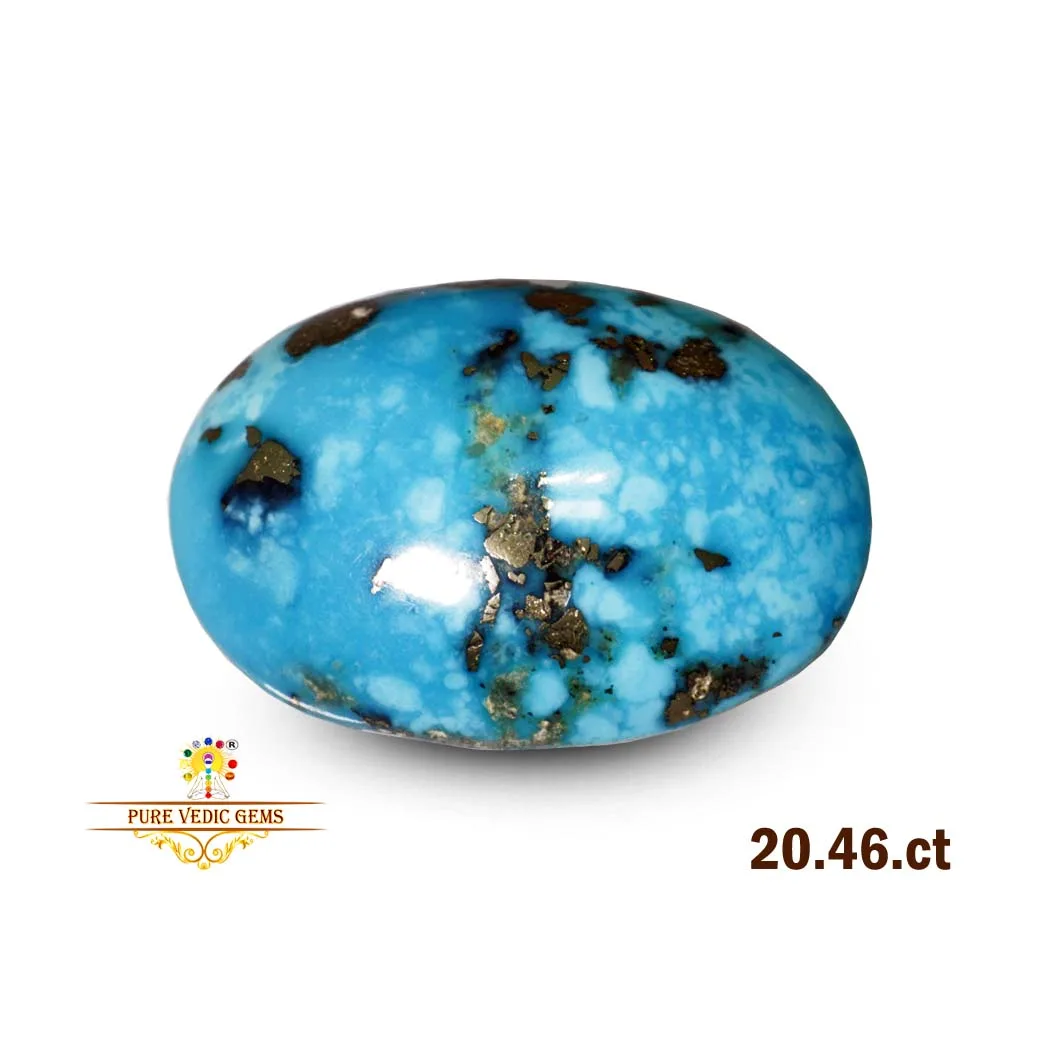
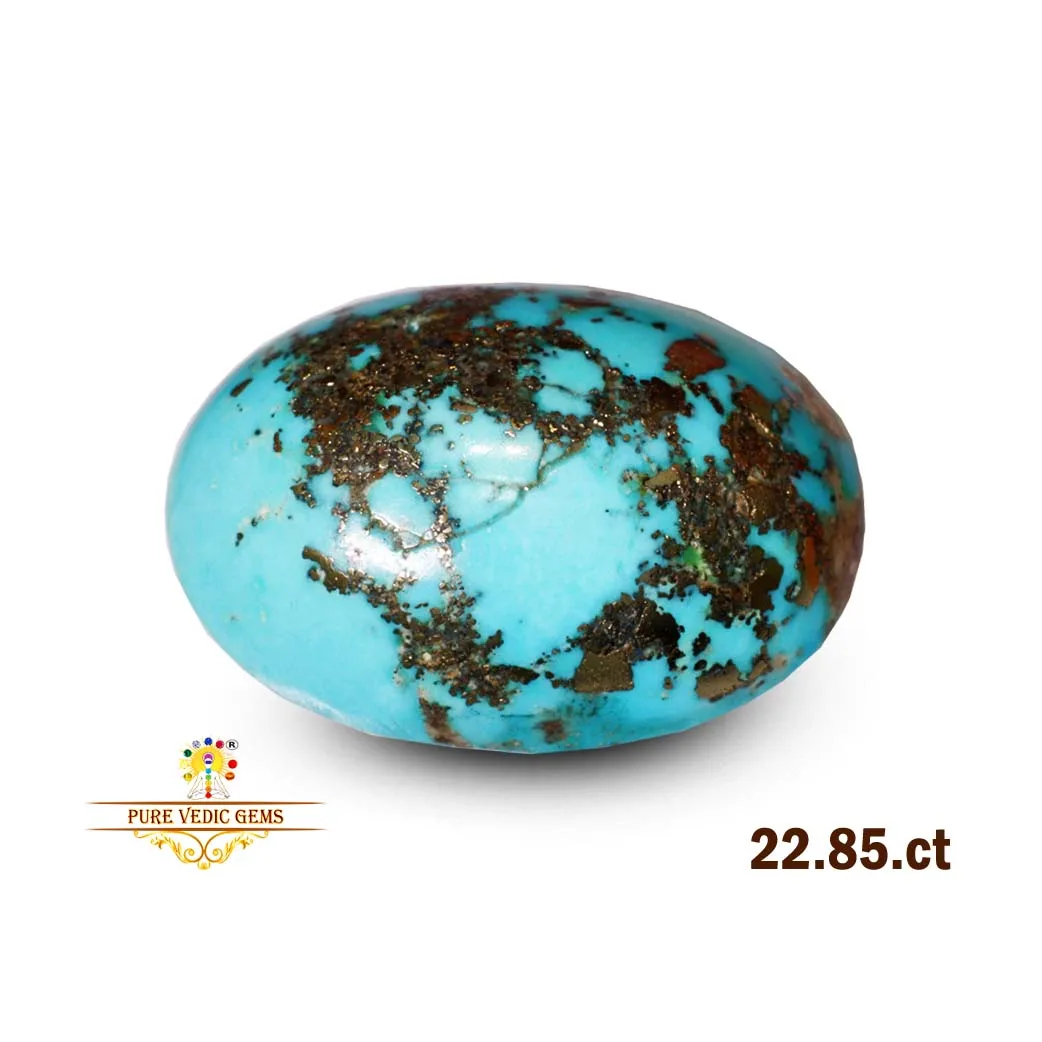
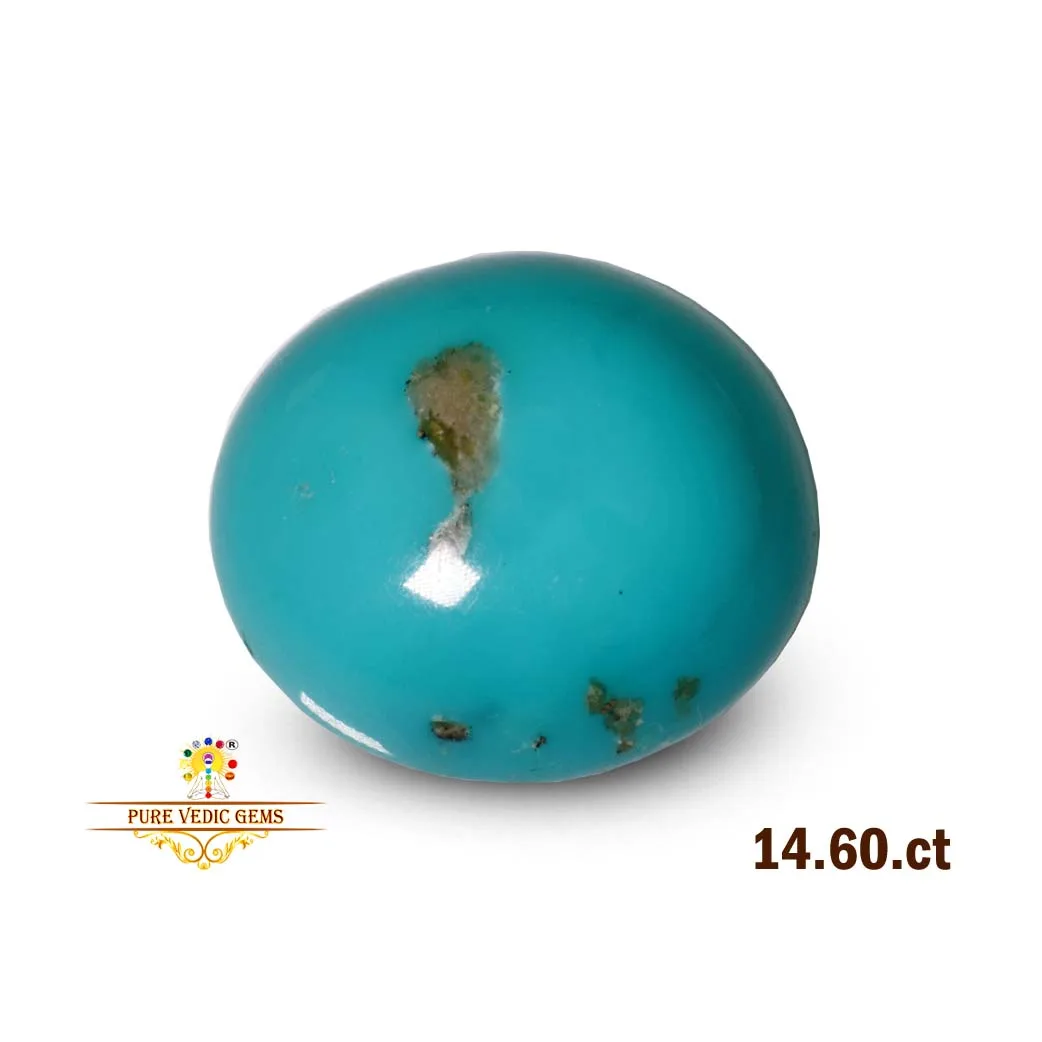
Turquoise — Firoza — is an ancient sky-blue gem treasured across Asia as a Jupiter upratna and protective talisman for travelers and schola…
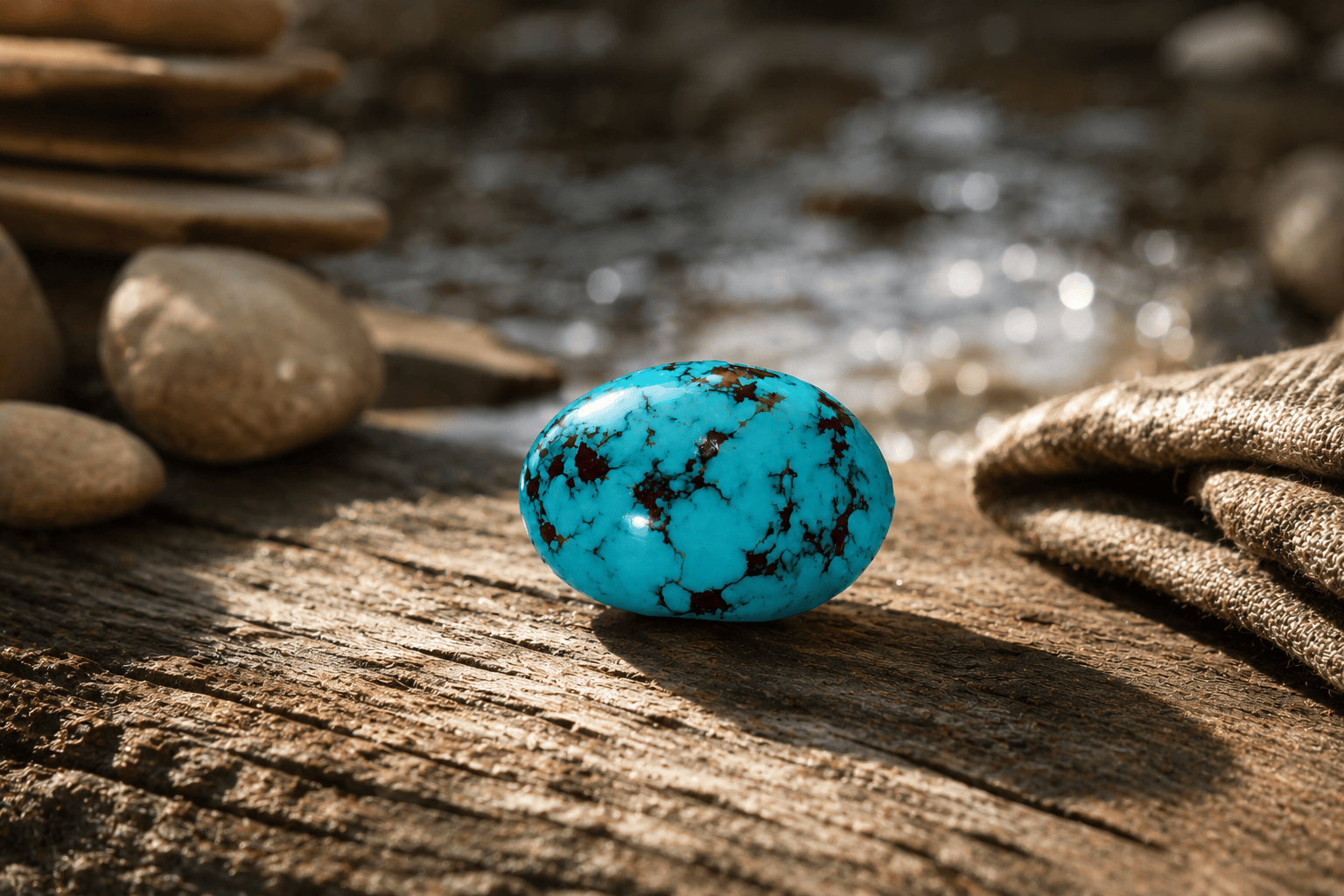
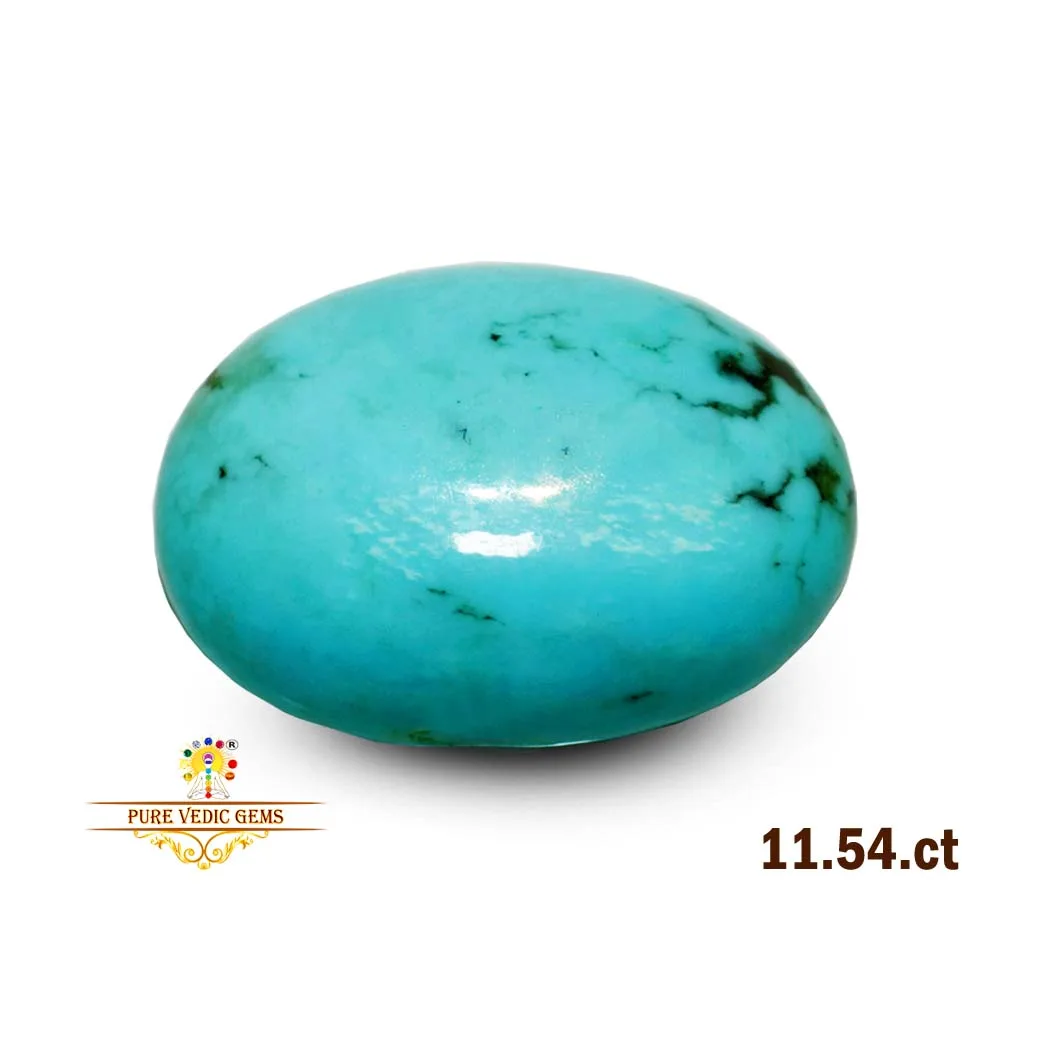
Turquoise is a hydrated copper aluminium phosphate — CuAl₆(PO₄)₄(OH)₈·4H₂O — ranking 5–6 on Mohs. Its colour ranges from sky blue to blue-green depending on iron and zinc content.
Persian and Indian traditions classify Firoza among Guru upratnas, worn for wisdom, protection, and auspicious journeys. Some regional schools also associate fine blue Firoza with Shukra or general fortune — chart decides. Gemstone remedies are chart-specific. Always consult a qualified Jyotish astrologer before wearing any stone for planetary purposes.
Iran (Nishapur), Arizona (USA), China, and Egypt supply commercial turquoise. Porous stones are often stabilized with resin.
| Mineral family | Phosphate (hydrated copper aluminium) |
| Typical colour | Sky blue to blue-green |
| Mohs hardness | 5–6 |
| Vedic association | Jupiter (Guru) — Firoza upratna |
Wear on Thursday during Guru Hora in silver or gold on the index finger, or as a pendant. Purify with Ganga jal and chant Guru beej mantra 108 times.
Request disclosure on stabilization — many astrologers prefer untreated natural turquoise for Jyotish; others accept conservative stabilization for durability.
Turquoise is porous — remove before bathing, perfumes, or gym.
Chosen when Jupiter needs supportive remedies and a blue talisman is culturally resonant. Historically worn by riders, merchants, and students in Central and South Asia.
May suit those seeking protection during travel and litigation — if Guru is a functional benefic in the chart.
Gemstone remedies are chart-specific. Always consult a qualified Jyotish astrologer before wearing any stone for planetary purposes.
Linked with divine favour, eloquence, safe passage, and optimistic outlook under Guru.
Large cabochons are affordable compared to transparent Jupiter gems — strong visual presence in rings.
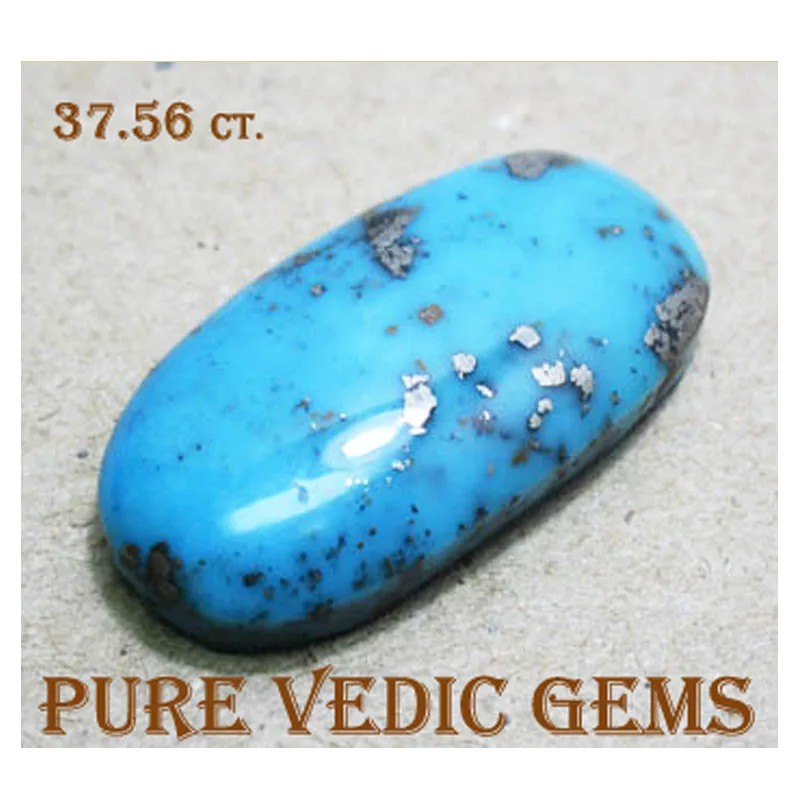
Collectors prize Persian "robin's egg" blue with minimal matrix.
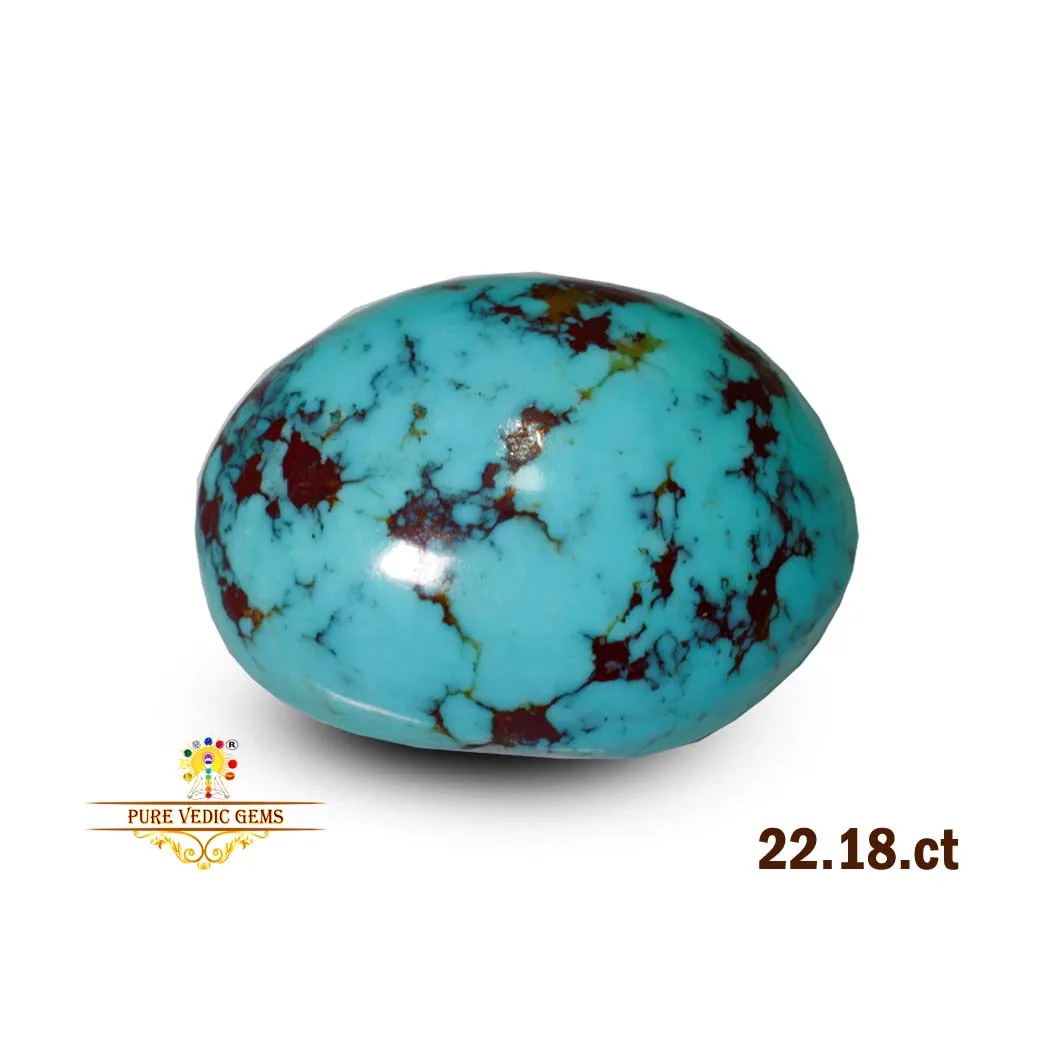
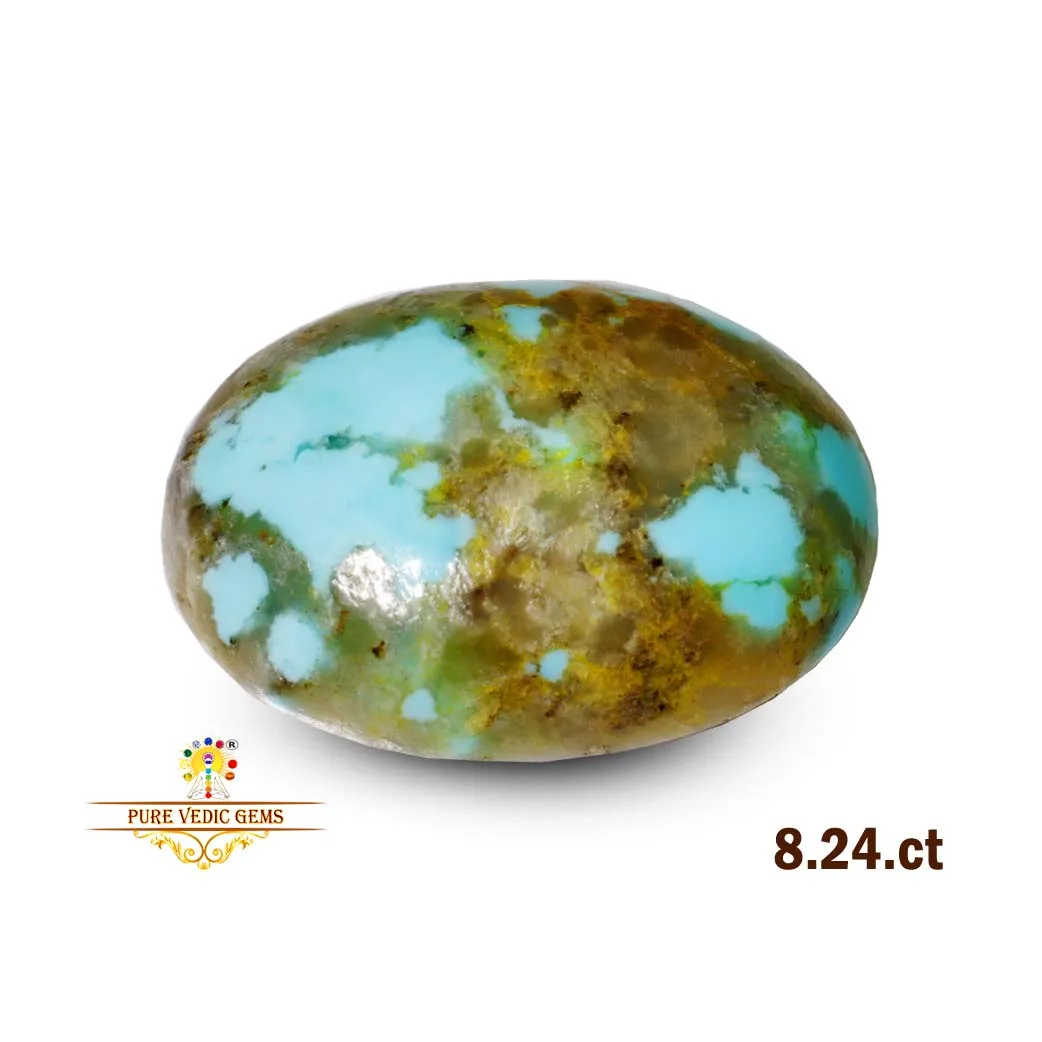
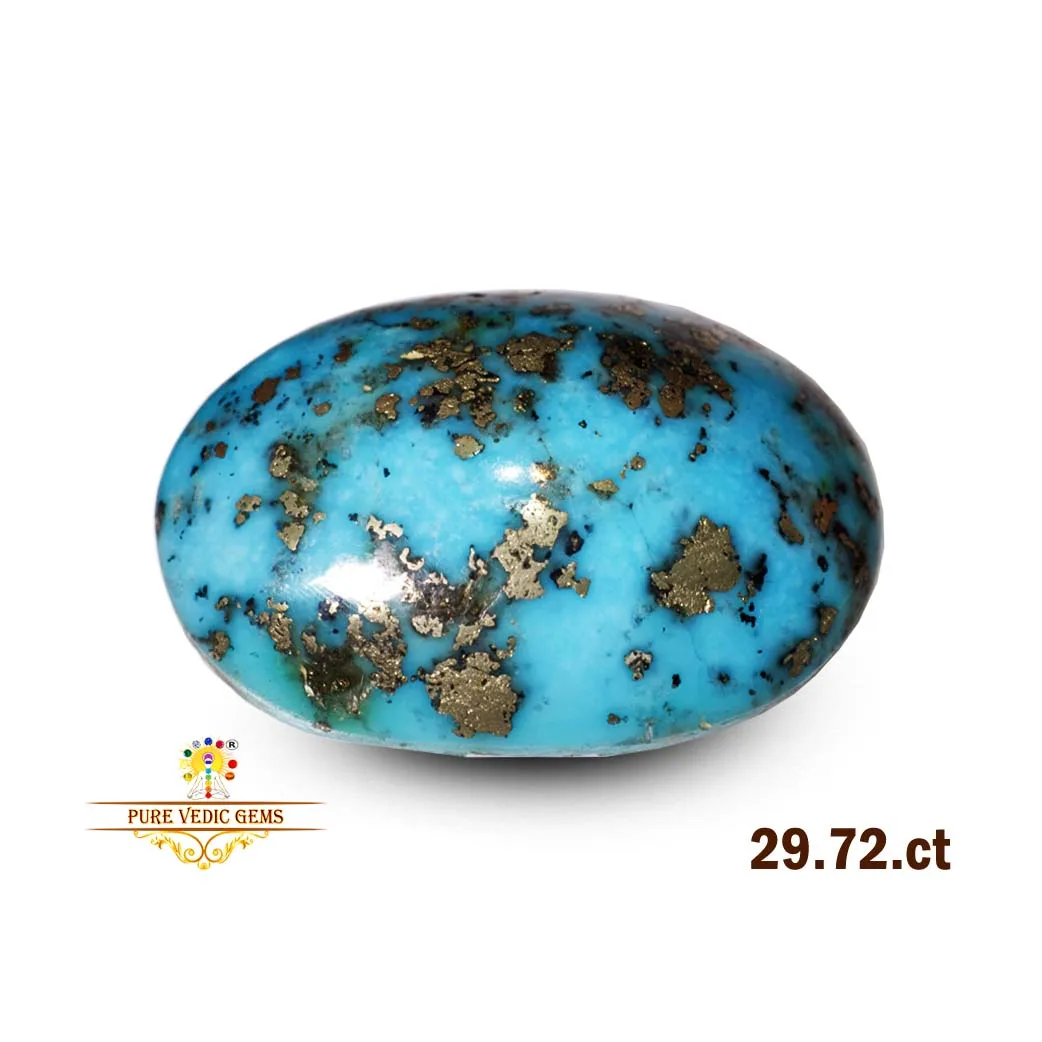
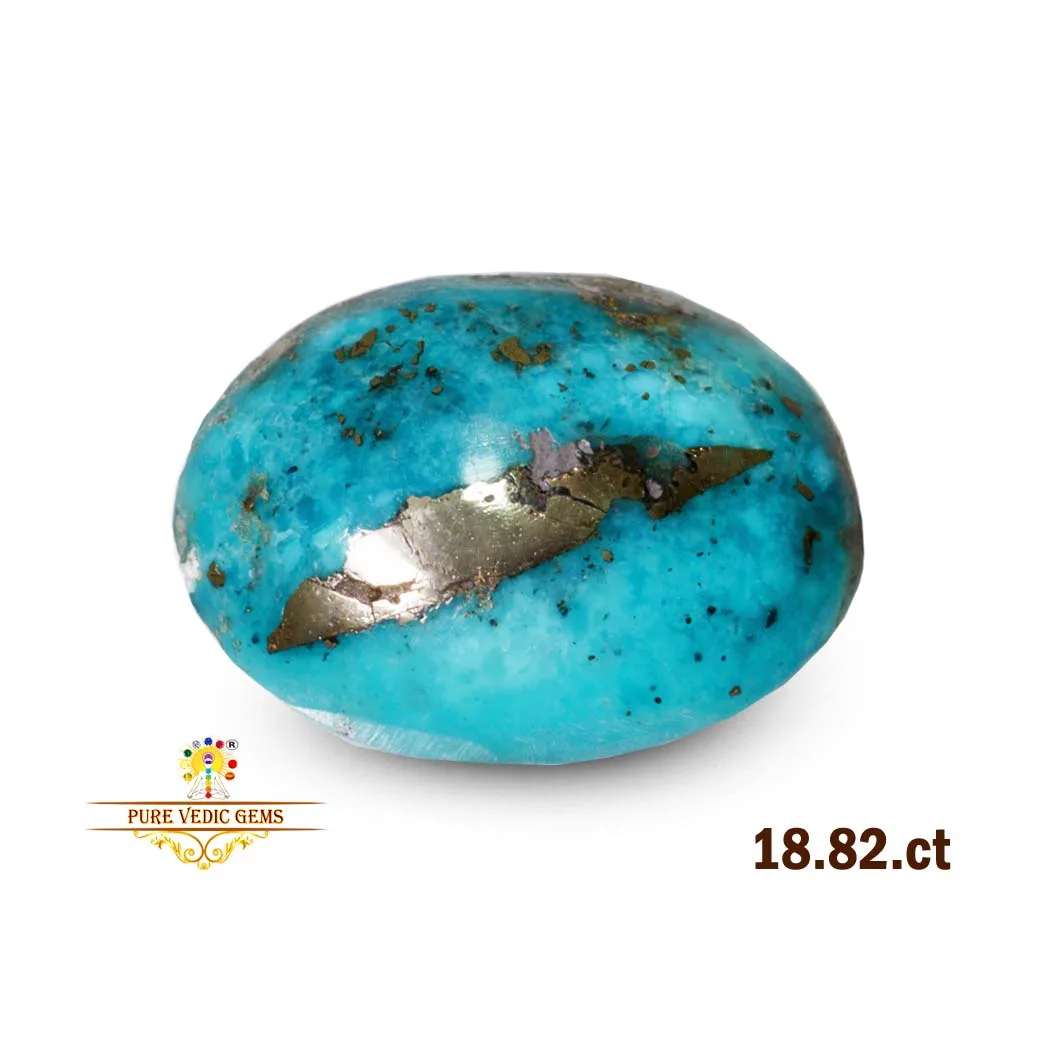
Sleeping Beauty (Arizona) shows clean blue; Persian material is intensely coloured. Chinese turquoise often has matrix webbing.
Reconstituted turquoise powder with resin is common — not valid for Jyotish.
Dyed howlite and magnesite are ubiquitous fakes.
Even, vivid blue with little matrix is most expensive. Spiderweb matrix can be artistic or devaluing depending on taste.
Stabilized turquoise costs less than hard, untreated natural material.
| Colour | Clear sky blue preferred; greenish or greyish tones lower value |
| Matrix | Minimal black/brown matrix for top grade |
| Treatment | Disclose stabilization, wax, or dye |
| Hardness | Untreated high-hardness natural is rare and costly |
Turquoise dominates silver ethnic rings, kada, and pendants. Gold Firoza rings are popular in North India for Guru.
Bezel settings essential — turquoise chips easily in open prongs.
Never ultrasonic or steam. Wipe with dry soft cloth; avoid all chemicals, oils, and prolonged water.
Skin oils and perfume darken porous turquoise over time — wear after cosmetics.
Howlite dyed blue is the #1 Firoza fake. Reconstituted blocks fail gemological and remedial standards.
Ask for specific treatment reports — "natural turquoise" may still be stabilized.
Primary Indian tradition maps Firoza to Guru (Jupiter). Some folk practices mention other grahas — follow your astrologer, not generic blog charts.
Opinions vary. Conservative Jyotish prefers untreated natural stone. If stabilized, disclose and seek astrological approval.
Porous structure absorbs oils and chemicals, darkening or greening. Proper care and untreated quality reduce this risk.
Both can be excellent. Persian blue is historically prized; Arizona Sleeping Beauty is valued for clean robin's-egg colour.
Index finger on Thursday is common for Guru. Your astrologer may differ based on lagna and dasha.
Gem labs check refractive index, specific gravity, and structure. Hot needle test damages stones — use professional testing only.