 +91-9310172512
 +44-7831491778
 +971-526686526
Curating certified treasures
India UK UAE
+91-9310172512+44-7831491778+971-526686526 India UK UAE+91-9310172512+44-7831491778+971-526686526 India UK UAE
Curating certified treasures
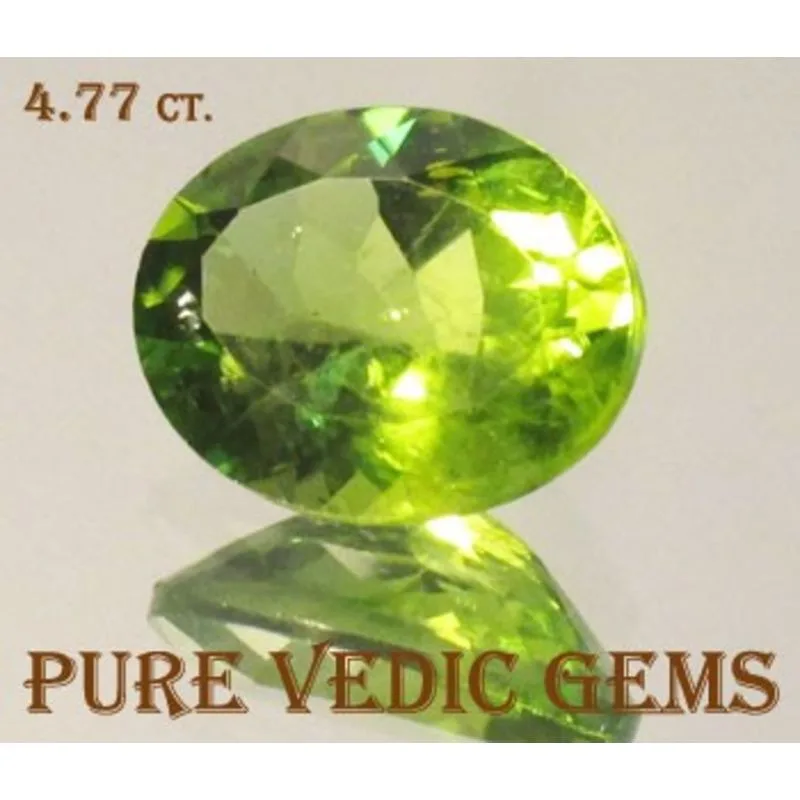
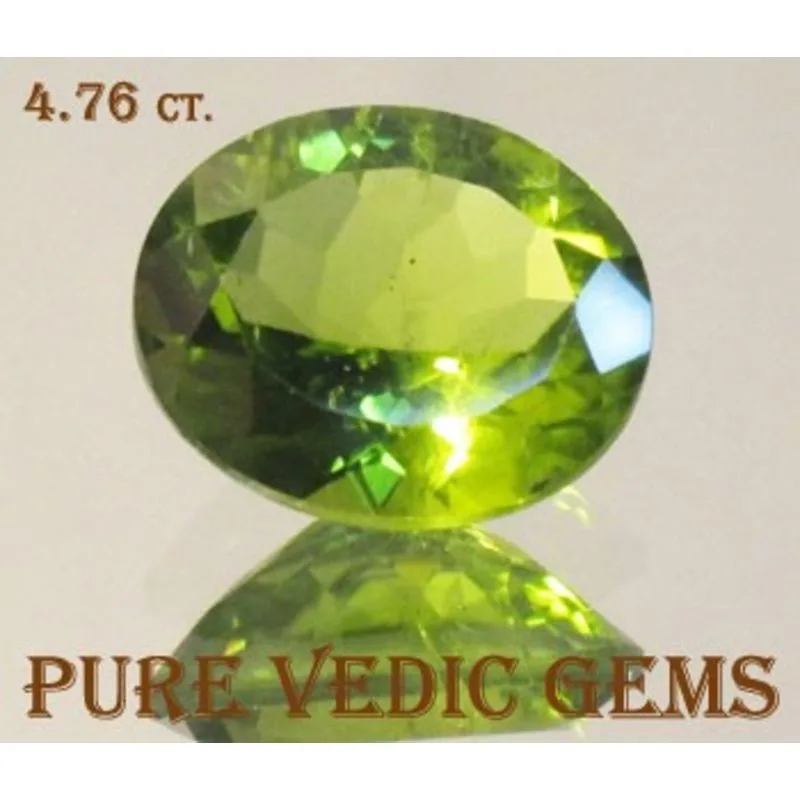
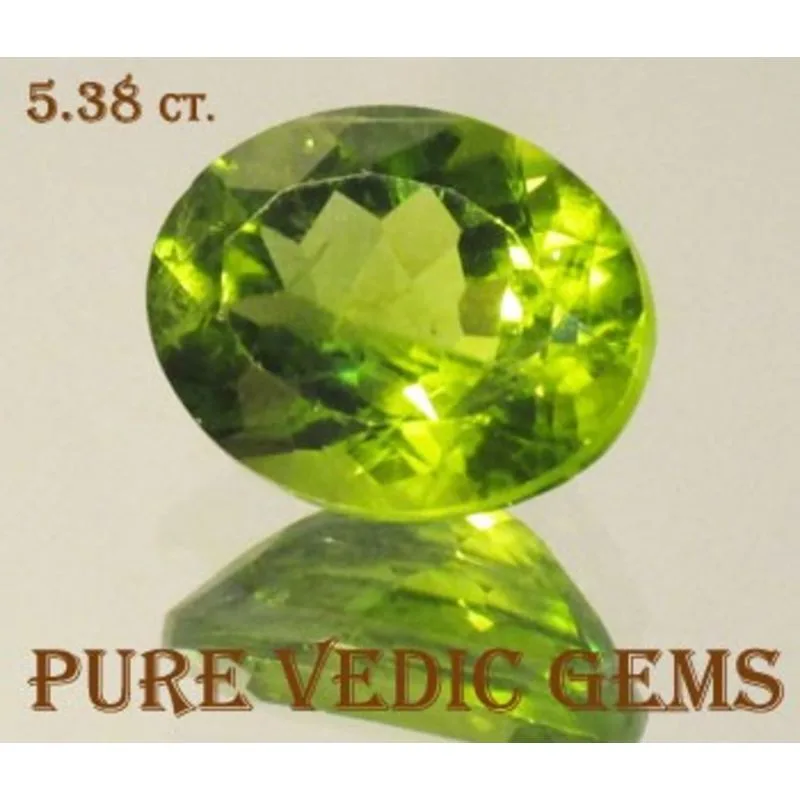
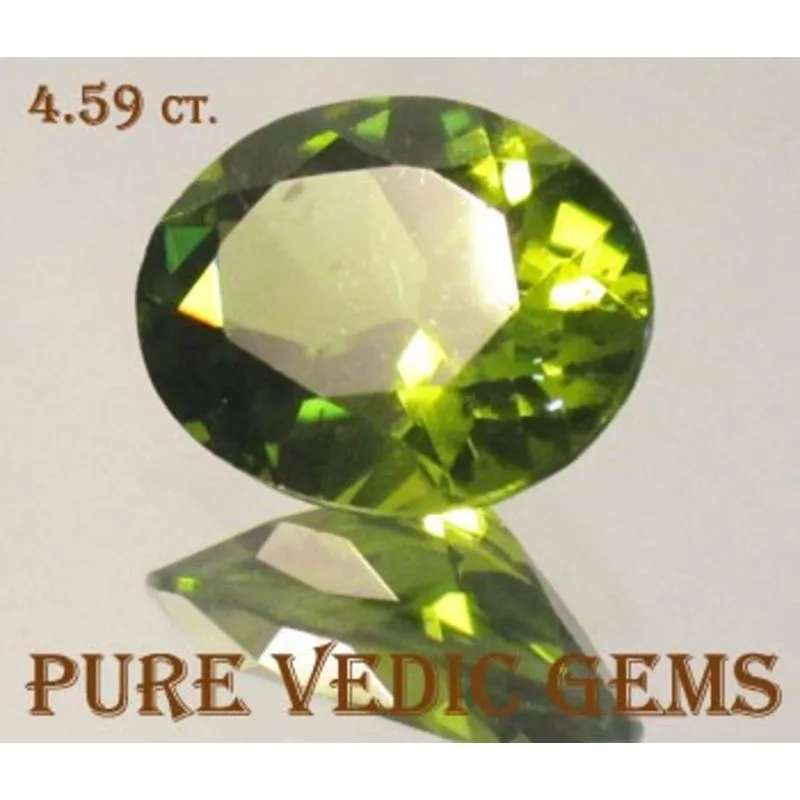
Peridot — Zabarjad — is a vibrant green magnesium iron silicate often recommended as a Mercury upratna when Emerald is beyond budget or whe…
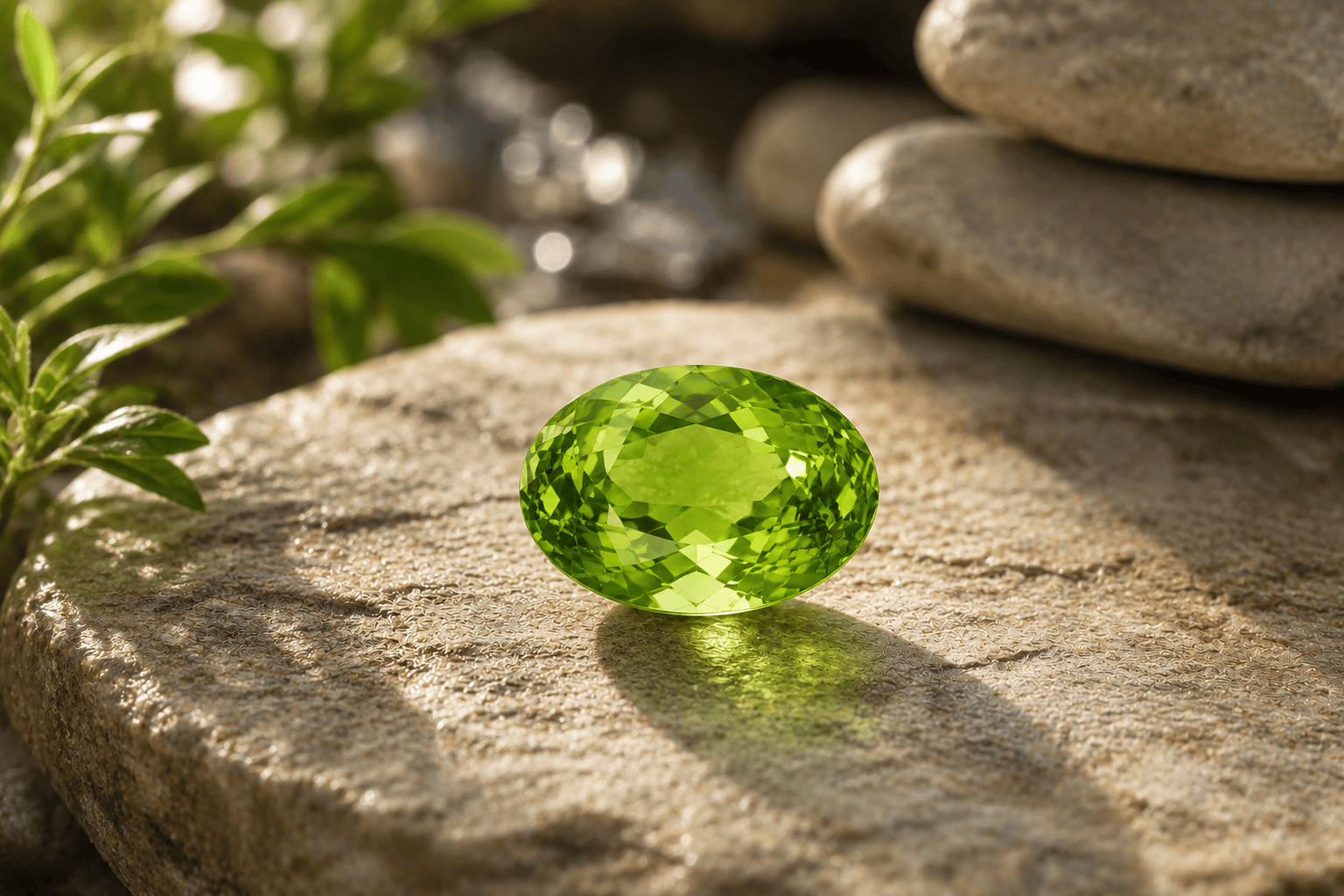
Peridot is gem-quality olivine — (Mg,Fe)₂SiO₄ — coloured by iron. Unlike Emerald, its green is intrinsic to the crystal structure, not chromium or vanadium. Mohs hardness is 6.5–7.
Classical and modern Jyotish often list Zabarjad among Budh upratnas for communication, commerce, and intellectual pursuits when Panna is not prescribed or affordable. Gemstone remedies are chart-specific. Always consult a qualified Jyotish astrologer before wearing any stone for planetary purposes.
Notable sources include Pakistan (Suppatt), Myanmar, Arizona (USA), and China. Some Peridot also occurs in meteorites (pallasites), though jewellery material is terrestrial.
| Mineral family | Olivine (nesosilicate) |
| Typical colour | Yellow-green to olive green |
| Mohs hardness | 6.5–7 |
| Vedic association | Mercury (Budh) — upratna for Panna |
Wear on Wednesday during Budh Hora, commonly on the little finger in gold or emerald-green thread set in Panchdhatu. Purify with tulsi water or Ganga jal and chant "Om Bram Budhaya Namah" 108 times.
Faceted Peridot allows excellent light return — choose eye-clean stones for maximum brilliance. Skin-contact open settings are preferred.
Avoid pairing with a primary Emerald unless directed — dual Budh stones can over-stimulate Mercury in sensitive charts.
Explored when Mercury governs lagna, occupies kendra/trikona, or needs support for education, writing, trading, and analytics. Gemini and Virgo ascendants often discuss Budh stones with their astrologer.
May help natives facing Mercury afflictions from Saturn or Mars when a gentler remedy is appropriate. Not for everyone during Mercury retrograde periods without analysis.
Gemstone remedies are chart-specific. Always consult a qualified Jyotish astrologer before wearing any stone for planetary purposes.
Linked to articulate speech, business acumen, adaptability, and learning agility under Budh. The bright green is thought to refresh mental fatigue.
Peridot requires no fracture filling — a practical advantage over many Emeralds. Natural colour is stable under normal wear.
Collectors appreciate Pakistani and Myanmar crystals for exceptional saturation and size.
Pakistani Peridot from the Suppatt region is famed for large clean crystals. Arizona Peridot (San Carlos) is widely available in smaller sizes.
Changbai Peridot from China offers commercial grades. Burmese material can show exceptional colour in smaller gems.
Glass and synthetic spinel imitations exist — verify with RI ~1.65–1.69 and birefringence.
Vivid green with minimal brown undertone commands highest prices. Larger eye-clean stones above 5 ct rise sharply per carat.
Lily-pad inclusions (chromite discs) are diagnostic of natural Peridot and acceptable in moderate amounts.
| Colour | Pure green to slightly yellowish green; brownish tones reduce value |
| Clarity | Eye-clean preferred; lily-pad inclusions confirm natural origin |
| Size | Gems above 3 ct are relatively rare in fine quality |
| Treatment | Typically untreated — disclose any enhancement |
Gold and Panchdhatu rings on the little finger are standard Budh mounts. Peridot earrings and pendants suit professionals wanting weekday Mercury support without a visible ring.
Avoid prong settings that expose fragile facet corners — protected mounts extend life.
Peridot is sensitive to sudden temperature changes and acids. Clean with mild soap and lukewarm water; skip ultrasonic if inclusions are prominent.
Remove before gardening or abrasive work — hardness 6.5–7 is moderate.
Green glass and synthetic corundum are common substitutes. "Zabarjad" labels on yellow-green glass appear in tourist markets.
Some sellers confuse Peridot with green tourmaline or chrome diopside — get lab confirmation.
Yes — Zabarjad is the traditional Hindi/Urdu trade name for Peridot used in Indian gem bazaars and Jyotish literature.
Emerald (Panna) is the primary Navaratna for Mercury. Peridot is an upratna — effective for many charts but generally considered gentler. Your astrologer decides.
Origin is secondary to natural, untreated green colour and clarity. Pakistani and Burmese stones are prized, but any certified natural Peridot may suffice per chart.
Gold and Panchdhatu are traditional for Budh, but some practitioners approve silver for upratnas. Follow your astrologer's metal prescription.
Little finger (kanishtha) of the right hand on Wednesday is standard for Mercury gems in North Indian tradition.
Yes, if natural and vibrant. Arizona material is often smaller but beautifully coloured — suitable when weight requirements are modest.