 +91-9310172512
 +44-7831491778
 +971-526686526
Curating certified treasures
India UK UAE
+91-9310172512+44-7831491778+971-526686526 India UK UAE+91-9310172512+44-7831491778+971-526686526 India UK UAE
Curating certified treasures
Pearl (Moti) embodies the cool, nurturing light of Chandra—the Moon.
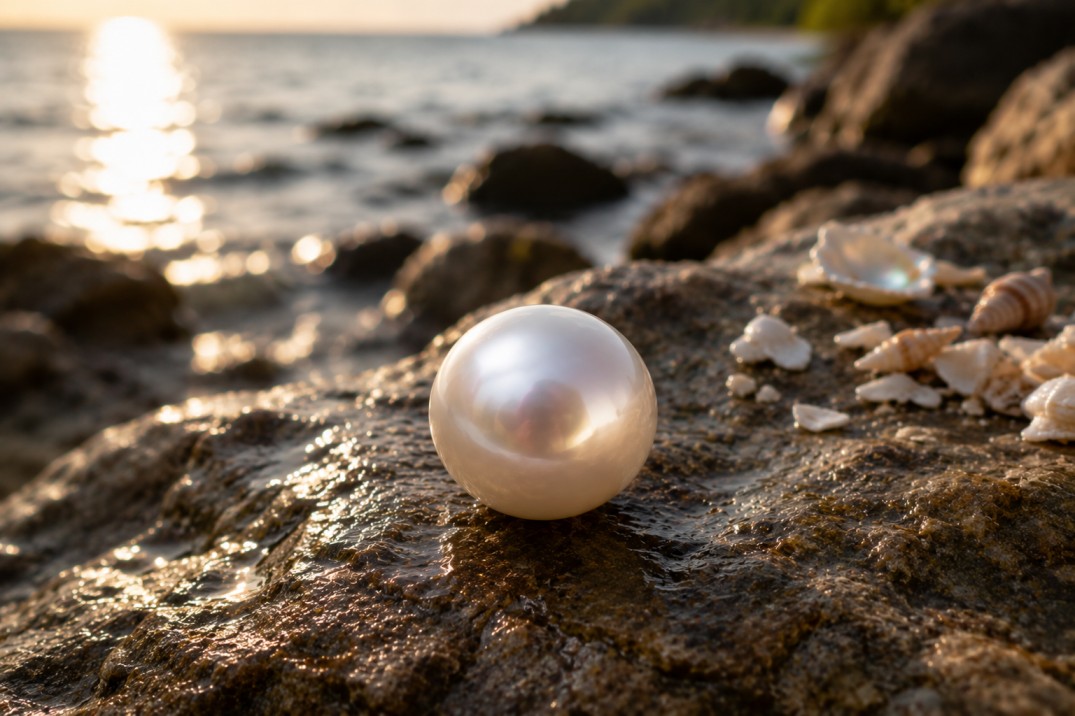
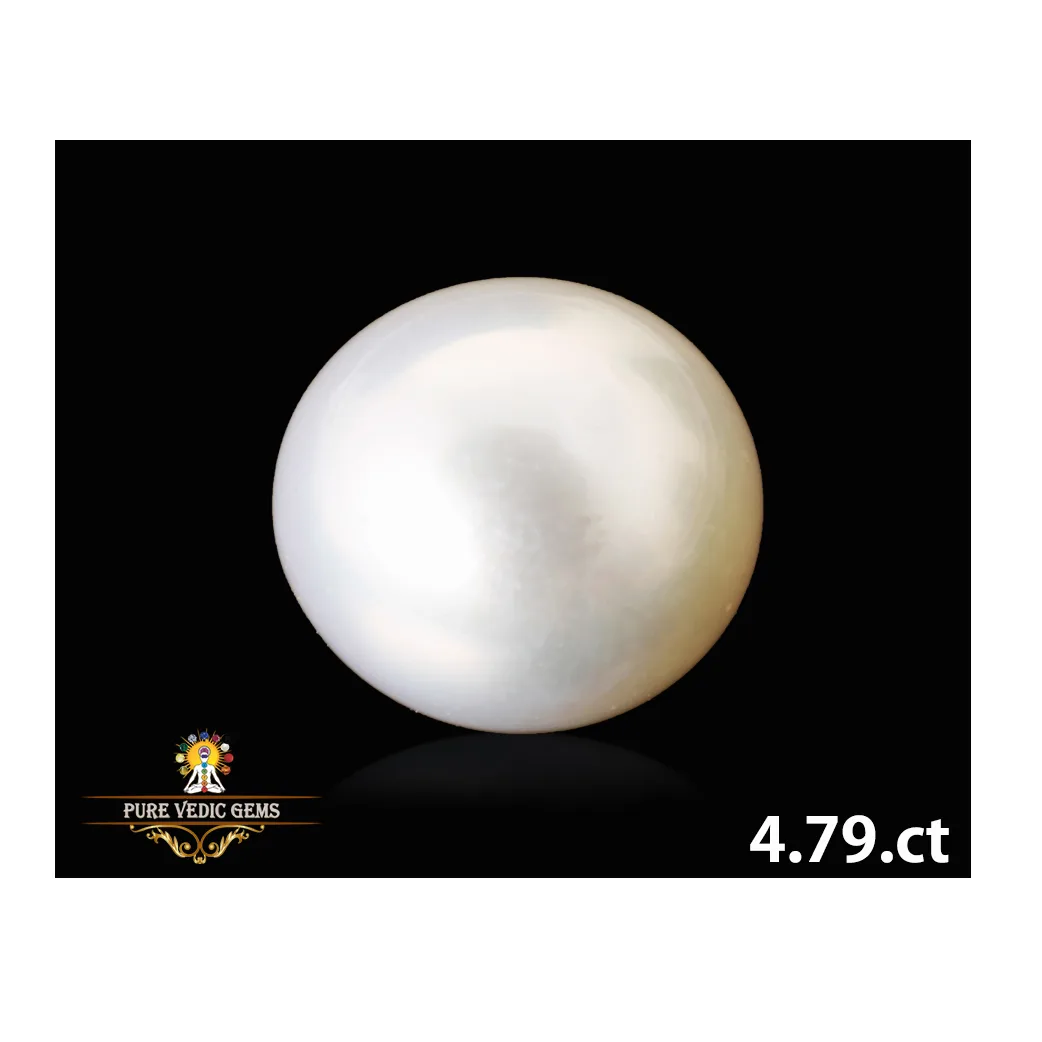
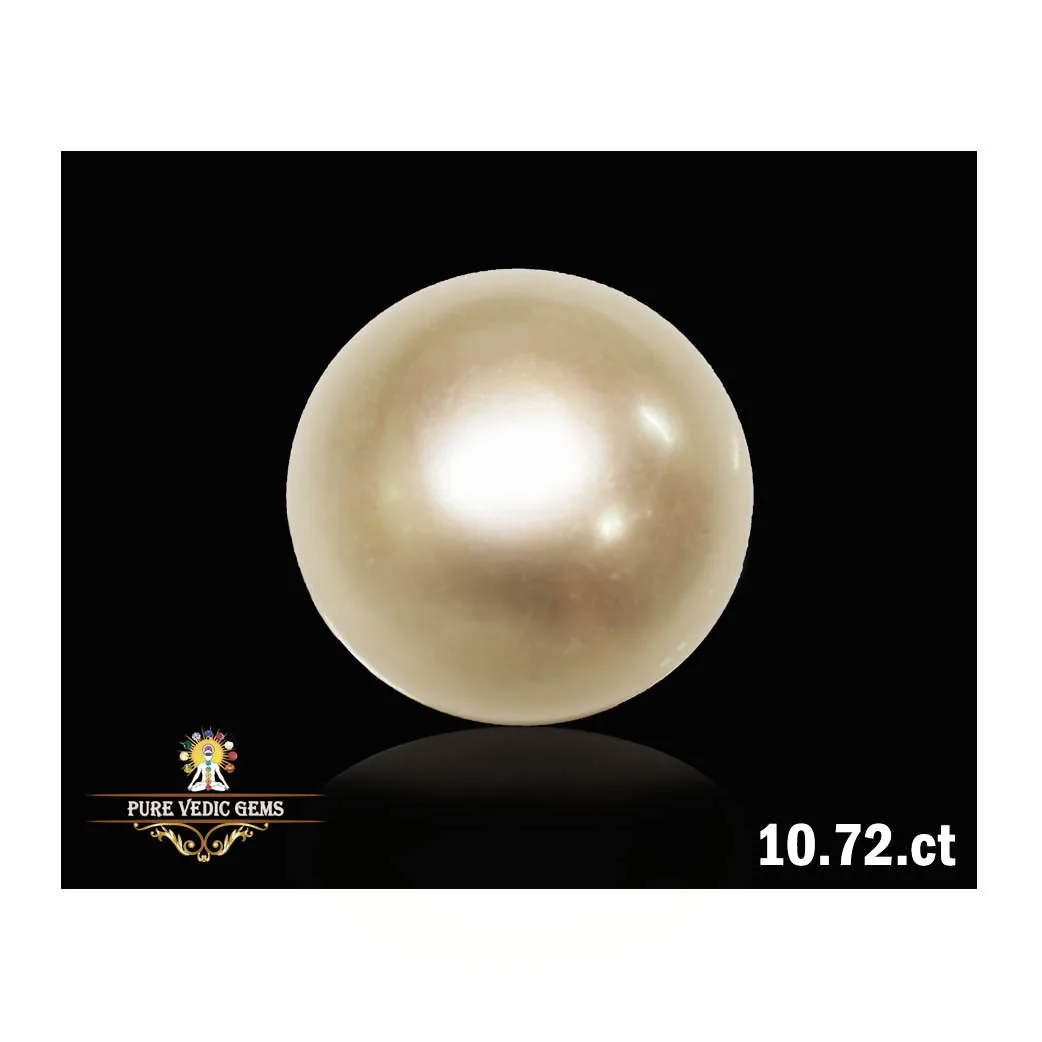
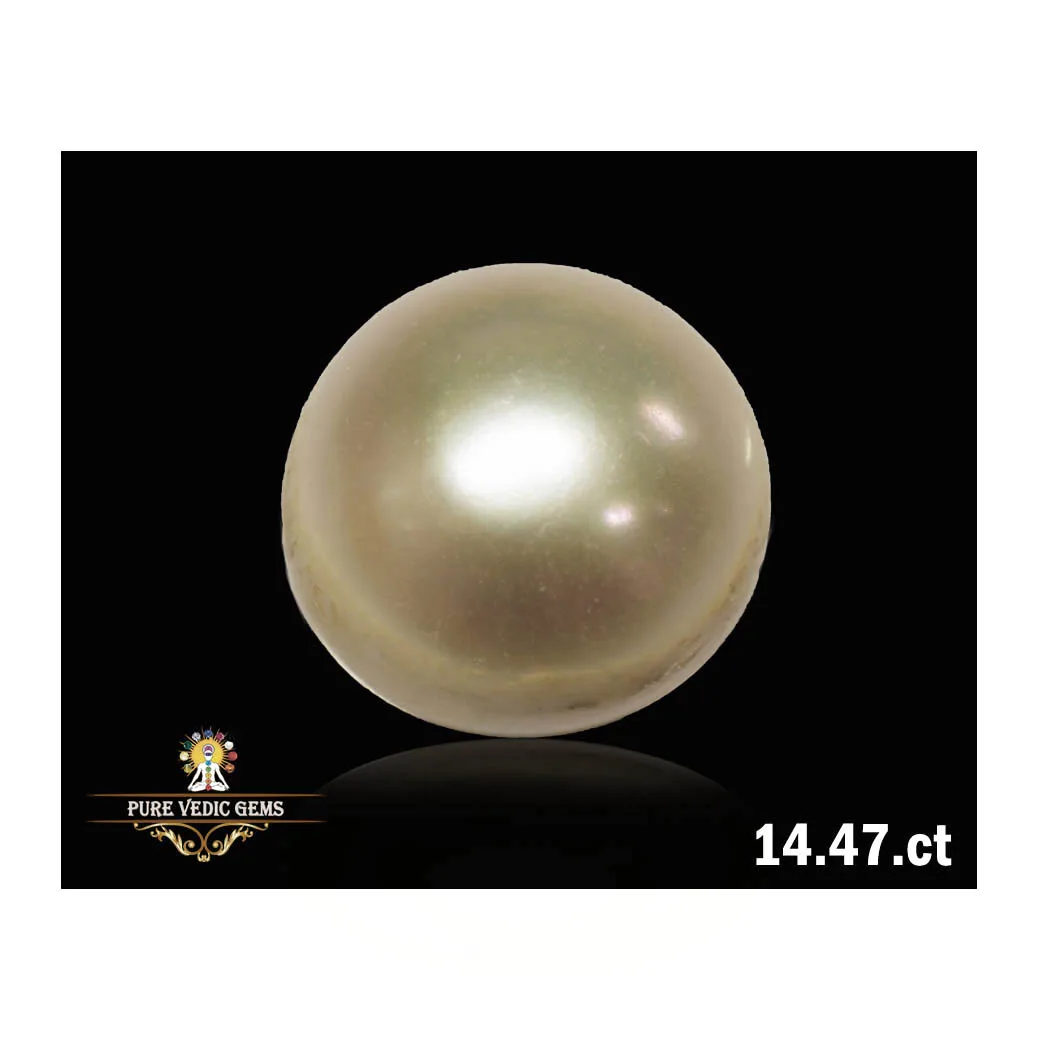
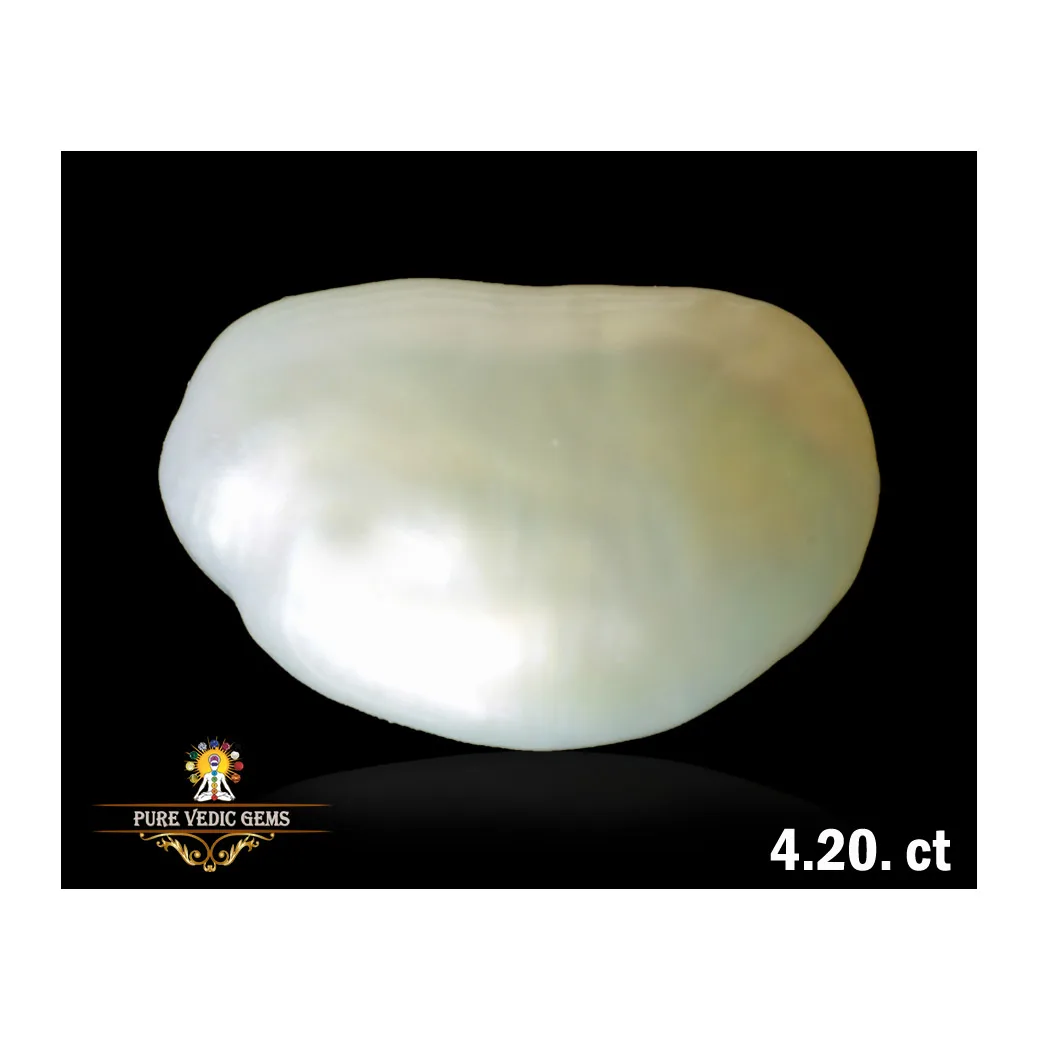
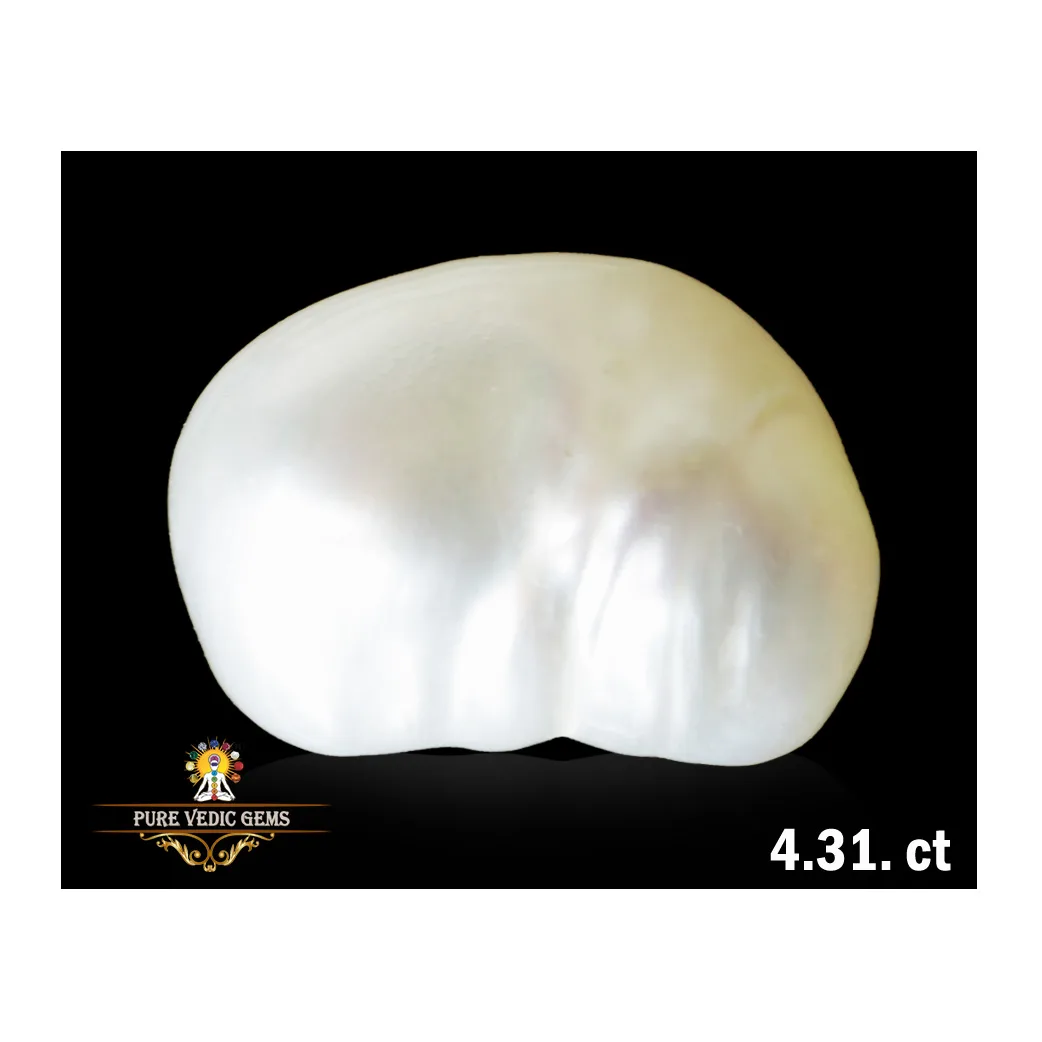
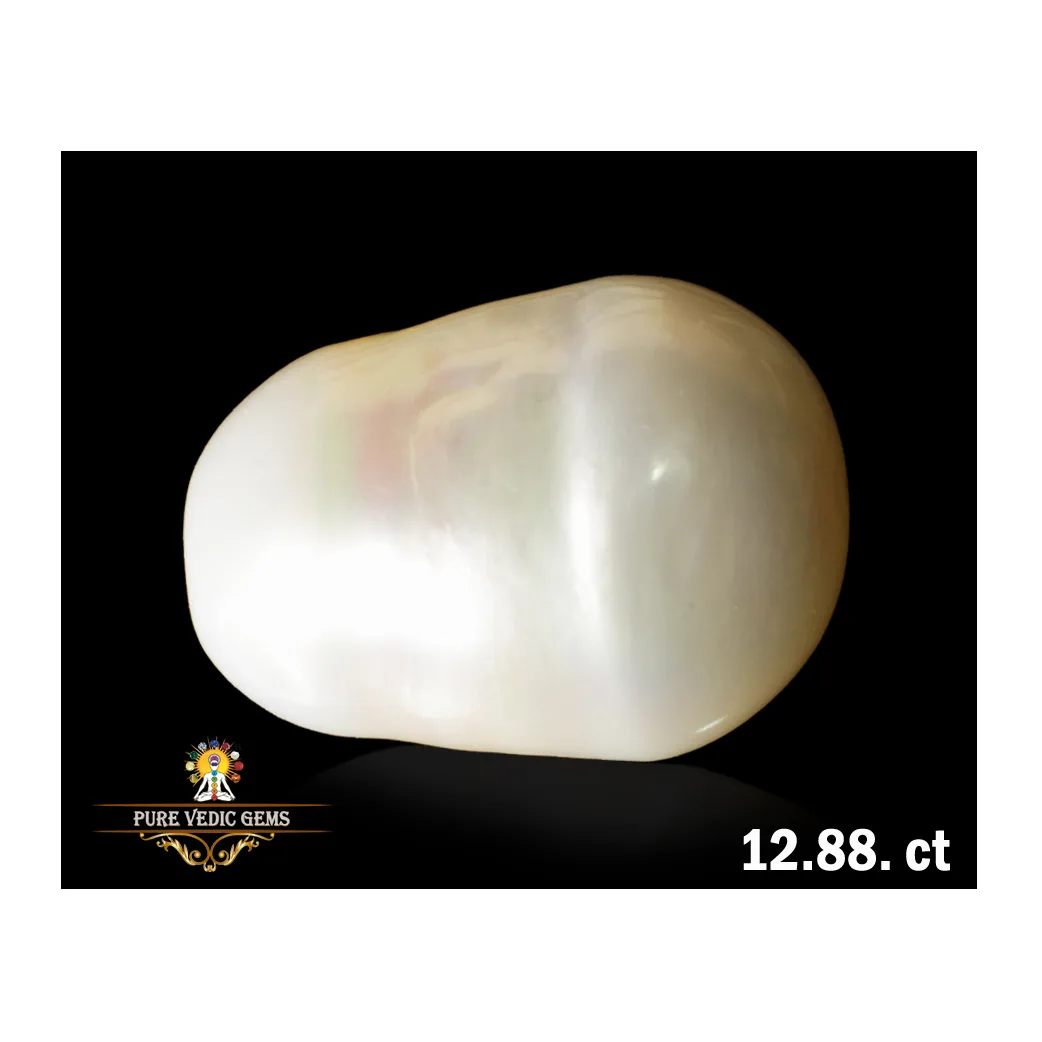
Pearl is an organic gem produced when a mollusc deposits layers of nacre around an irritant. In Sanskrit it is Moti or Mukta, and in Jyotish it is the primary ratna of Chandra—the Moon, ruler of mind, emotions, water, and motherhood.
Fine natural pearls display a deep lustre, orient (iridescent sheen), and round or near-round symmetry. Cultured pearls dominate the market; natural wild pearls are rare and highly valued.
Saltwater pearls come from Pinctada oysters in the South Pacific, Gulf of Mannar, Persian Gulf (historic Basra), and Japanese akoya beds. Freshwater pearls form in mussels, chiefly in China. South Sea and Tahitian pearls are prized for size and satiny lustre.
Keshi pearls are solid-nacre byproducts of culturing. For Jyotish, round white to cream saltwater pearls with strong lustre are traditionally preferred.
Chandra governs the mind (manas), mother, fluids, breasts, sleep, and public life. When the Moon is weak, afflicted by Rahu/Ketu, or placed in difficult houses, Moti may be prescribed. Cancer (Karka) rashi and Rohini, Hasta, and Shravana nakshatras are closely linked to pearl.
Pearl is considered sattvic—cooling and pacifying. It is one of the gentler Navaratna gems and is often recommended for children, artists, and those in caring professions.
Truly natural wild pearls are exceptionally rare. Most "natural" pearls in commerce are cultured (nucleated by human intervention but still nacre). Beads of shell, plastic, or coated glass are common fakes. Certification should confirm nacreous structure.
| Weight | 2–10 carats (or 5–10 ratti; lighter body weights may use 2–5 carats) |
| Metal | Silver (sterling or fine silver); white gold acceptable |
| Finger | Little finger of the right hand |
| Day | Monday (Somvar) |
| Time | Evening or Monday morning during Chandra hora |
| Mantra | Chant "Om Som Somaya Namah" or "Om Shram Shreem Shraum Sah Chandramase Namah" 108 times |
| Purification | Soak in raw milk, Gangajal, and white sandalwood paste; offer white flowers |
Pearl suits those with weak, debilitated, or heavily afflicted Moon, especially in the 4th house matters. Cancer ascendants, Moon mahadasha, and natives of Rohini, Hasta, and Shravana often benefit. It is widely prescribed for mental peace and maternal blessings.
If Chandra is already exalted in Taurus in a favourable house, additional pearl may create emotional passivity or water retention tendencies. Those with severe depression should combine gem therapy with professional care. Confirm compatibility if wearing with opal or moonstone simultaneously.
Chart-specific factors like Chandra–Rahu conjunction or Kemadruma yoga influence whether Moti helps. PureVedicGems recommends personalised guidance before purchase.
Pearl is the foremost gem for calming an overactive or disturbed mind. It is traditionally worn to reduce insomnia, irrational fears, and emotional volatility, fostering reflective thinking and empathy.
Chandra rules popularity, travel, and liquids. Pearl supports careers in hospitality, nursing, psychology, music, fashion, and diplomacy. It can soften a harsh public image and improve client relationships.
Ayurvedic correlation links the Moon to blood, lymph, and reproductive fluids. Women often wear Moti for menstrual regularity, fertility blessings, and postpartum recovery—always alongside medical advice.
Pearl deepens bonds with the mother and nurtures family harmony. It is a traditional wedding gift in many cultures, symbolising purity and emotional fidelity.
A balanced Moon heightens intuition and devotion. Meditating on Chandra mantra with pearl is said to open receptivity to divine grace without the heat of solar gems.
White to cream with rose or silver overtone is classical. Golden South Sea pearls may suit certain charts connected to Jupiter–Moon yogas. Avoid dyed or coated pearls.
Bleaching, dyeing, and lacquer coating are common. Irradiated pearls change colour unnaturally. Insist on untreated nacre for ratna use.
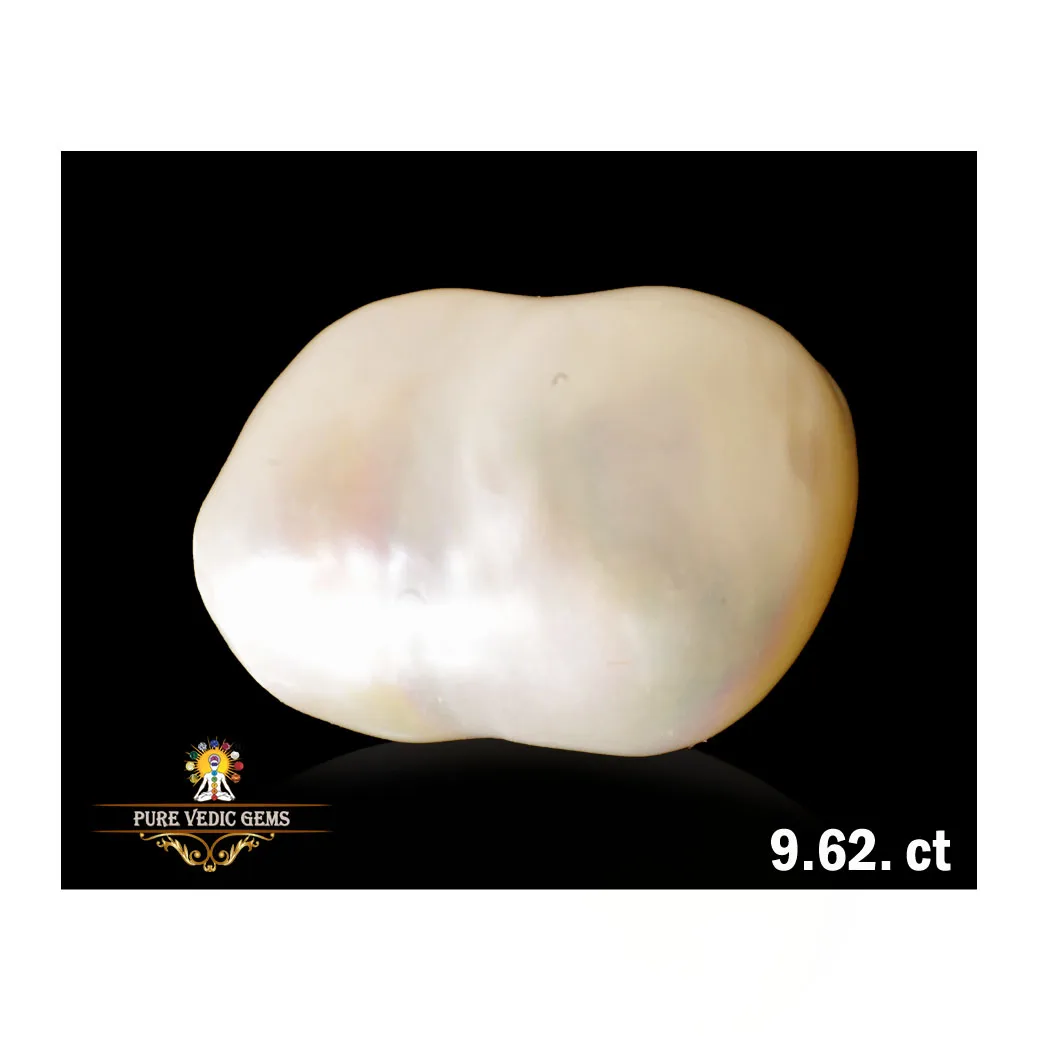
Lustre is the primary value driver, followed by shape, size, surface cleanliness, and nacre thickness. Round South Sea pearls command top tiers; baroque shapes cost less but are less ideal for formal Jyotish rings.
X-ray and gemological reports confirm nacreous structure versus imitation. For saltwater cultured pearls, disclosure of nucleation is standard and acceptable when lustre is excellent.
Freshwater entry-level strands start modestly; fine South Sea single pearls range from mid to premium collector grades. Historic natural Basra pearls are auction-level investments.
Pearl rings in silver on the little finger are standard. The pearl must touch skin—drilled-and-glued studs without metal contact are weaker for Jyotish.
Single-pearl pendants over the throat or heart are popular for women. Necklaces are ornamental; for therapy, a ring or pendant with direct skin contact is preferred.
Wipe with a damp soft cloth after wear. Mild soap and water if needed. Pearls are soft (2.5–4.5 Mohs)—never use harsh chemicals or ultrasonic cleaners.
Apply perfume and cosmetics before wearing pearls. Acids and alcohol damage nacre permanently.
Store flat in a breathable pouch—not airtight plastic, which dries nacre. Keep away from other jewellery that can scratch.
Monday evening Chandra mantra with Gangajal rinse and moonlight exposure (brief, not prolonged).
Imitation pearls of glass, plastic, or shell bead are ubiquitous. "Majorica" and coated beads fail the tooth test and magnification.
PureVedicGems labels pearl type, origin region, and lustre grade so you know exactly what you wear for Chandra.
Yes—most astrological pearls today are cultured saltwater pearls with natural nacre. Wild natural pearls are rare. Avoid plastic or coated imitations.
Silver is the traditional metal of Chandra, cooling and receptive. It complements the Moon's sattvic nature better than yellow gold for most charts.
Absolutely. Jyotish prescribes Moti by chart, not gender. Men wear pearl rings on the little finger of the right hand in silver for mental clarity and emotional steadiness.
Pearl is the primary Navaratna for Chandra. Moonstone is an upratna (substitute). Your astrologer may recommend moonstone if pearl is unsuitable or unavailable.
Real pearls feel slightly gritty on the tooth (nacre plates), show fine surface texture under magnification, and have depth of lustre. Gem lab X-ray confirms structure.
Cancer is most associated, but pearl is prescribed by chart—not rashi alone. Weak Moon in any lagna may benefit after consultation.
Sun and Moon are friendly planets. Ruby and pearl combinations appear in Navaratna jewellery; for single-gem therapy, follow your astrologer's primary prescription.
Typically 5–10 ratti (roughly 4.5–9 carats) for adults. Smaller sizes suit children or lighter body weights under astrological guidance.