 +91-9310172512
 +44-7831491778
 +971-526686526
Curating certified treasures
India UK UAE
+91-9310172512+44-7831491778+971-526686526 India UK UAE+91-9310172512+44-7831491778+971-526686526 India UK UAE
Curating certified treasures
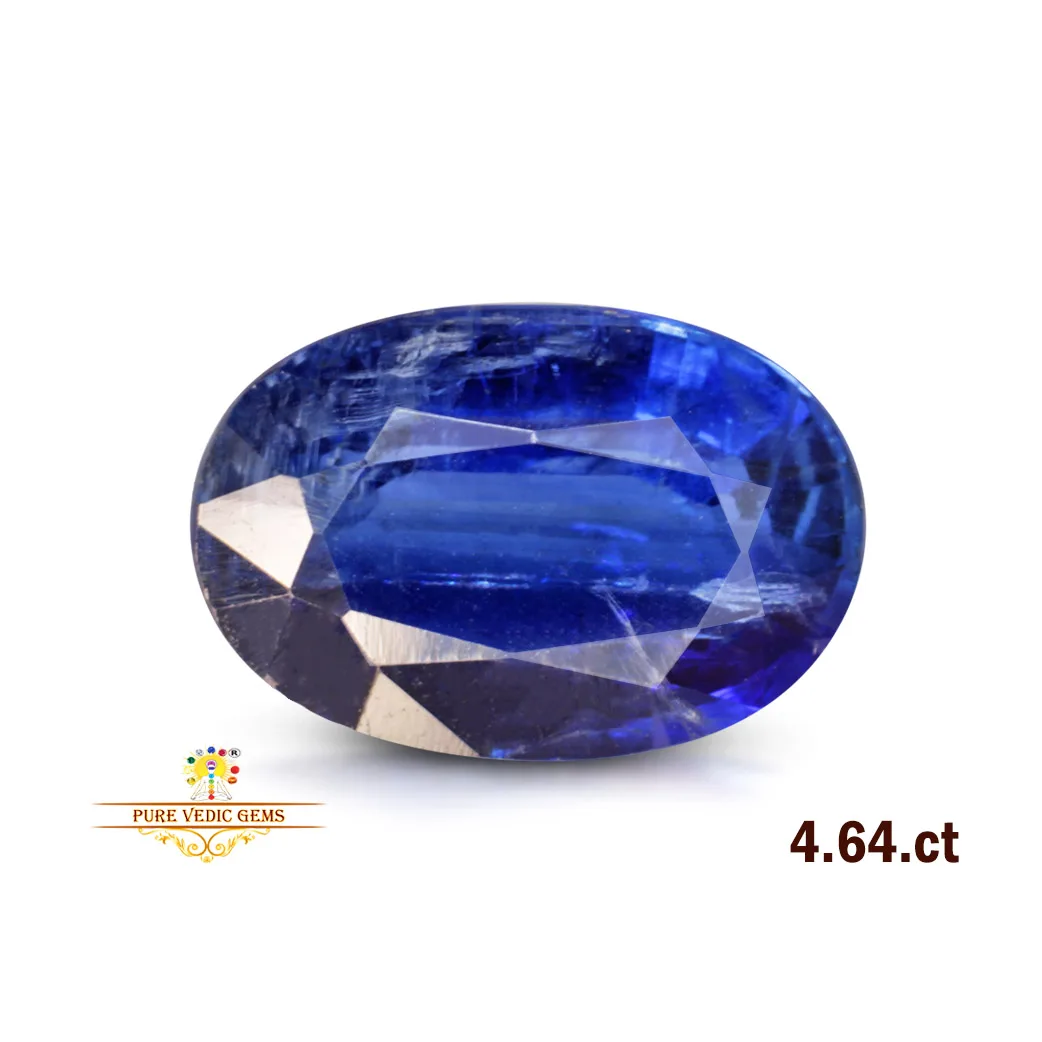
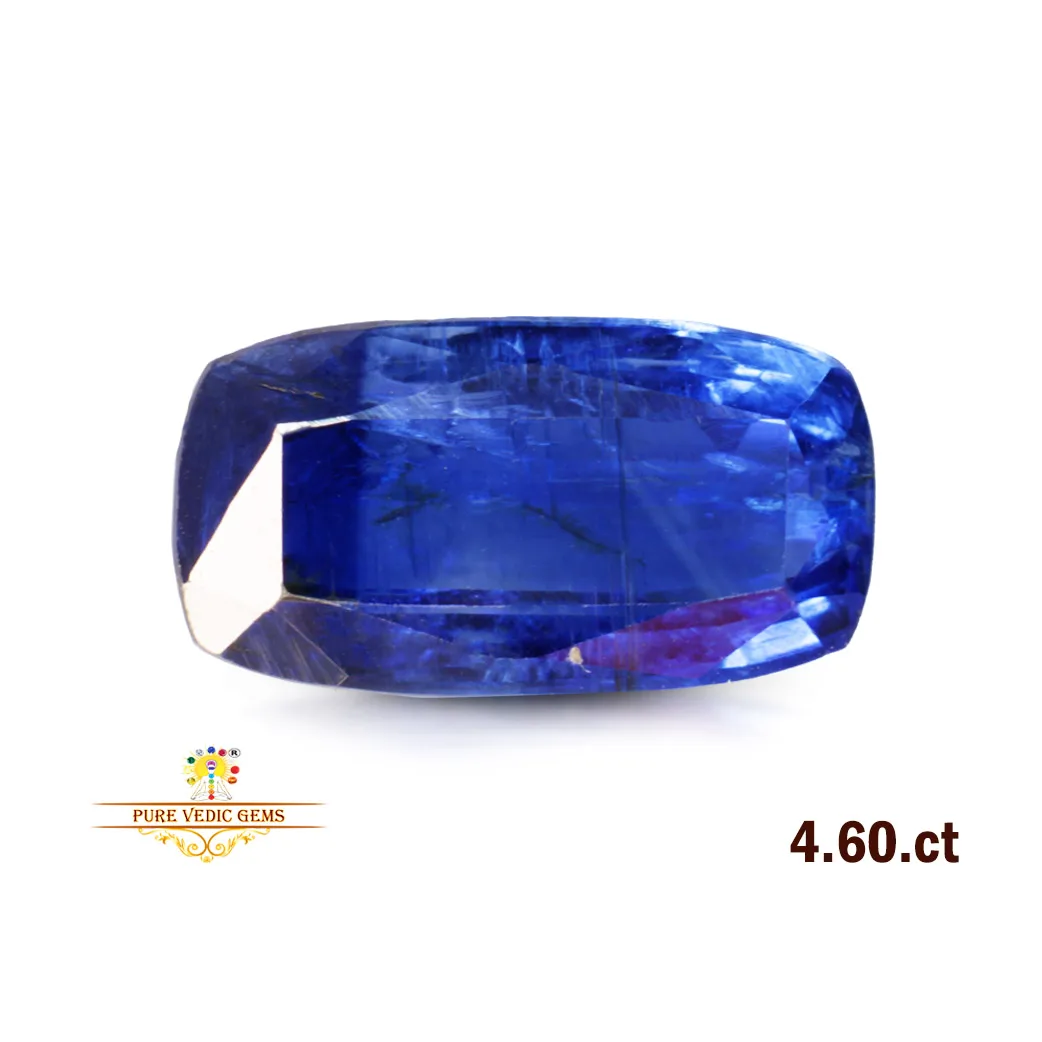
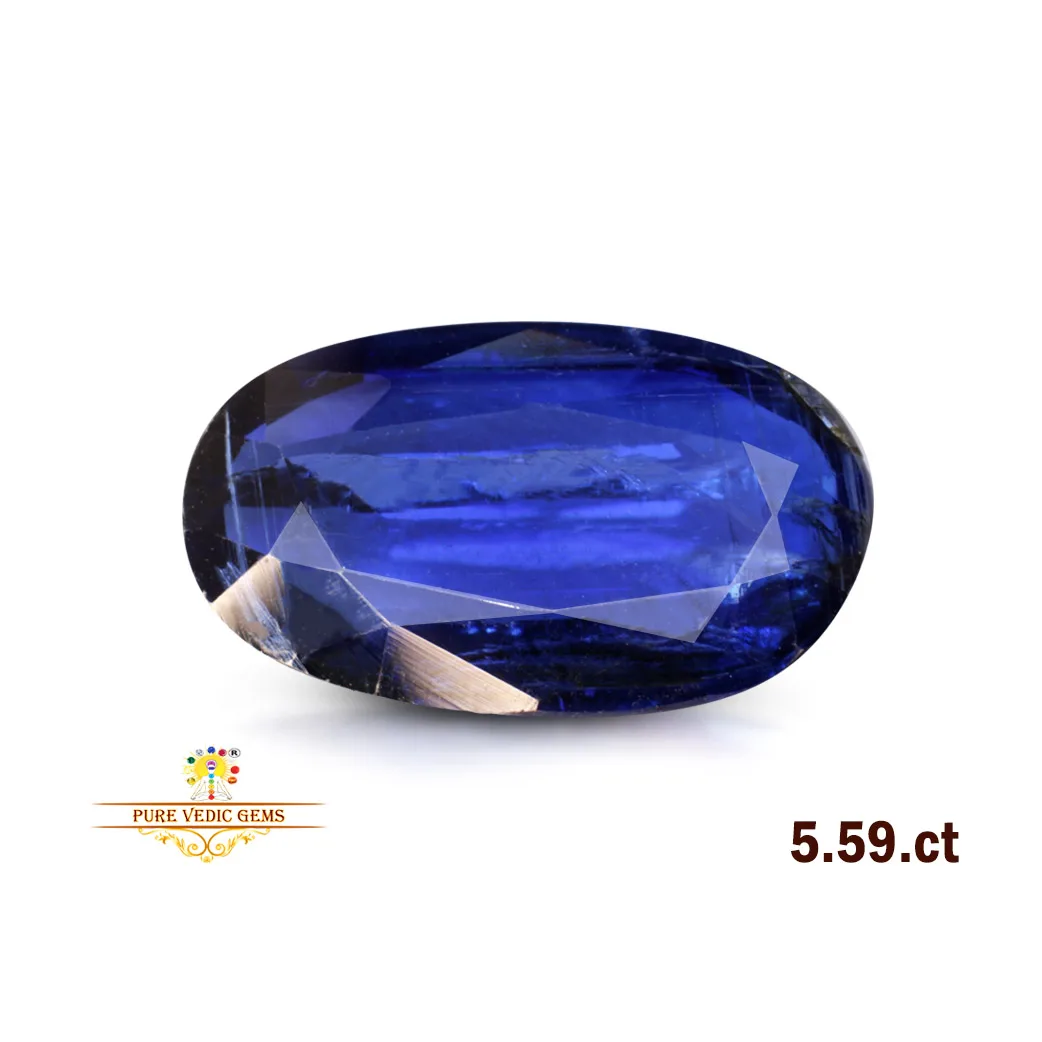
Kyanite is a blue aluminium silicate with dramatic pleochroism, occasionally prescribed as a Shani upratna for its deep sapphire-like colou…
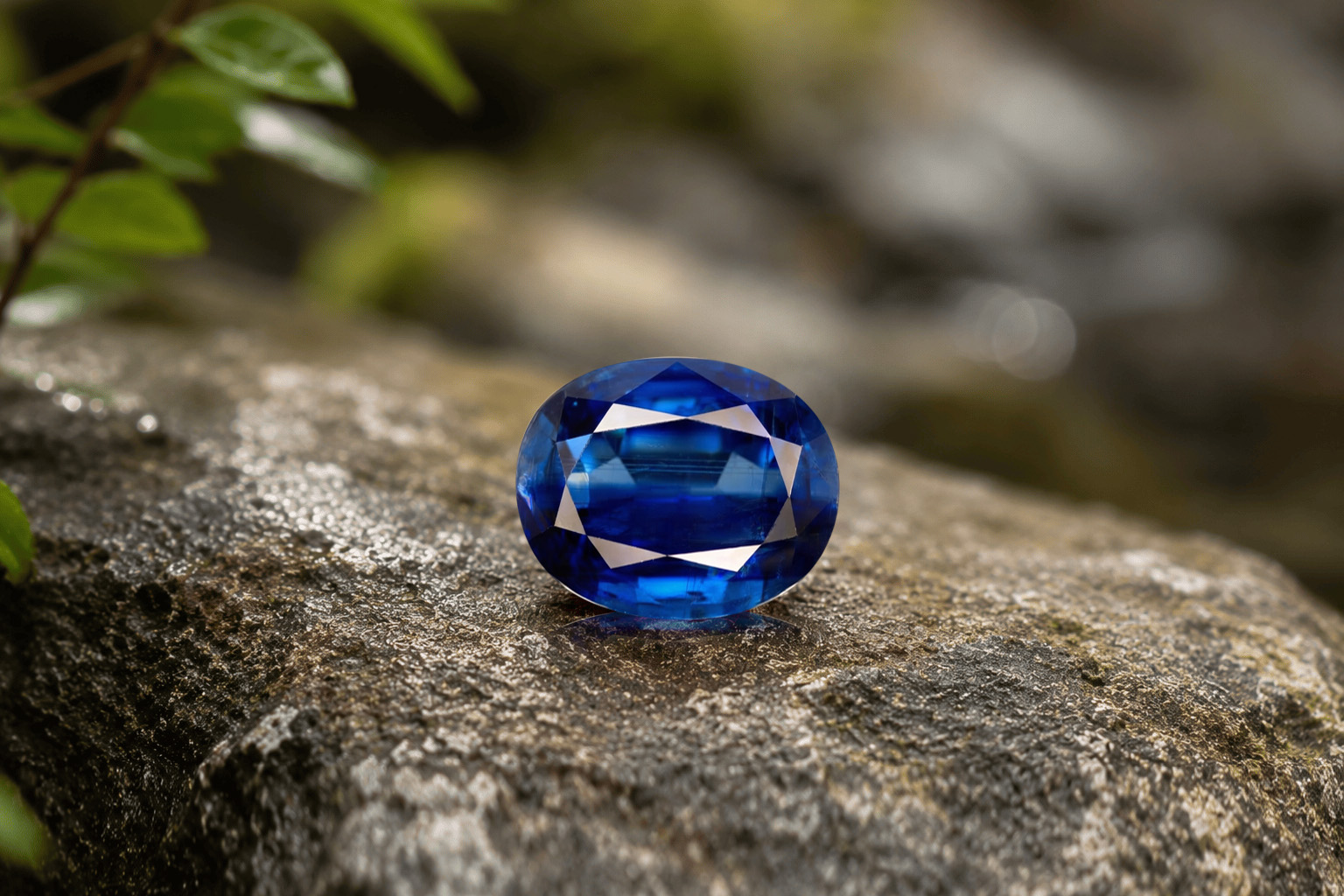
Kyanite is aluminium silicate — Al₂SiO₅ — with variable hardness 4.5–7 along different crystal axes (unique among gems). Colour ranges blue, green, black, and orange.
Blue kyanite is sold in some Jyotish circles as a Shani upratna when Neelam is not used. It is softer and more fragile than corundum — practical wear considerations matter. Gemstone remedies are chart-specific. Always consult a qualified Jyotish astrologer before wearing any stone for planetary purposes.
Nepal, Brazil, Kenya, Switzerland, and India produce kyanite. Nepal blue blades are famous for colour.
| Mineral family | Kyanite (nesosilicate) |
| Typical colour | Blue to blue-green |
| Mohs hardness | 4.5–7 (directional) |
| Vedic association | Saturn (Shani) — folk upratna |
If prescribed, wear on Saturday on middle finger in silver as pendant or protected ring. Shani mantra and purification apply.
Pendants strongly preferred — directional hardness makes rings high-maintenance.
Select stones cut across crystal for best durability in jewellery.
Considered when Shani support is needed with blue colour and the native accepts pendant-focused wear.
Not ideal for active lifestyles requiring daily hard-wear rings.
Gemstone remedies are chart-specific. Always consult a qualified Jyotish astrologer before wearing any stone for planetary purposes.
Associated with alignment, truthful communication, and meditative calm in crystal healing traditions overlapping Shani themes.
Natural blue colour without heat treatment appeals to purists.
Affordable large cabochons and blades for talismanic use.
Blue Nepal kyanite blades for collectors. Faceted gems are challenging due to cleavage.
Black kyanite fans are decorative — different from blue Shani discussion.
Andalusite and sillimanite are polymorphs — do not confuse.
Transparent faceted blue kyanite is rare and valuable. Cabochons and beads are economical.
Even colour without white streaks improves value.
| Colour | Saturated blue |
| Durability | Faceted gems need protected settings |
| Treatment | Typically untreated |
| Cut orientation | Across crystal axis for strength |
Pendants and earring drops suit kyanite best. Drill beads for mala are common in spiritual shops.
Avoid unprotected daily rings.
Extremely cleavage-prone — no ultrasonic, no impact. Store padded.
Wrap individually — kyanite scratches and chips easily.
Misrepresented as blue sapphire — RI ~1.71–1.73 differs from corundum.
Fragile for ring wear — sellers should warn about durability.
Pendants are strongly preferred. Directional hardness and cleavage make rings risky for daily wear.
Sapphire is corundum (hardness 9) and primary Neelam. Kyanite is softer aluminium silicate folk upratna.
Usually untreated — a selling point. Still verify with lab report for significant purchases.
Decorative bladed crystals — not the standard blue Shani upratna discussion.
Nepal produces vivid blue blades prized by collectors; faceted gems from any origin work if colour and durability suit jewellery.
Same Shani guidelines — middle finger or pendant, silver, mantra — if your astrologer prescribes kyanite.