 +91-9310172512
 +44-7831491778
 +971-526686526
Curating certified treasures
India UK UAE
+91-9310172512+44-7831491778+971-526686526 India UK UAE+91-9310172512+44-7831491778+971-526686526 India UK UAE
Curating certified treasures
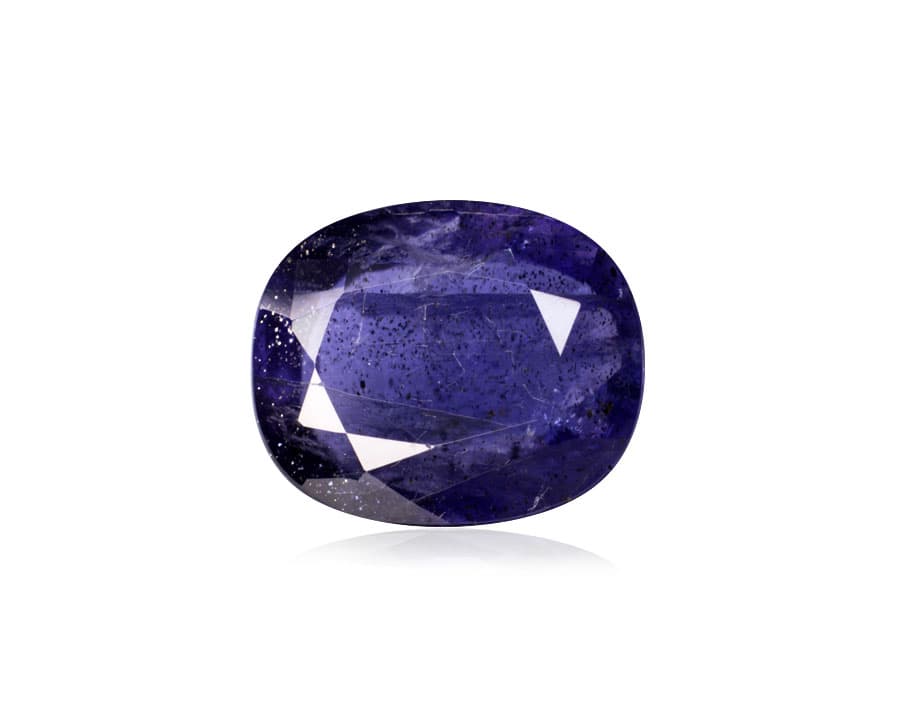
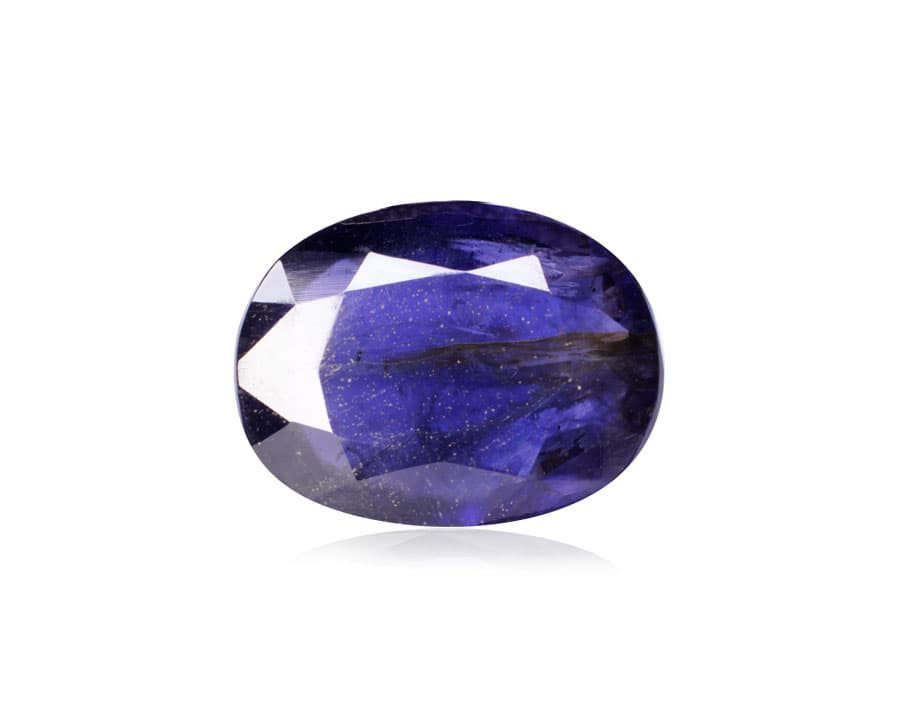
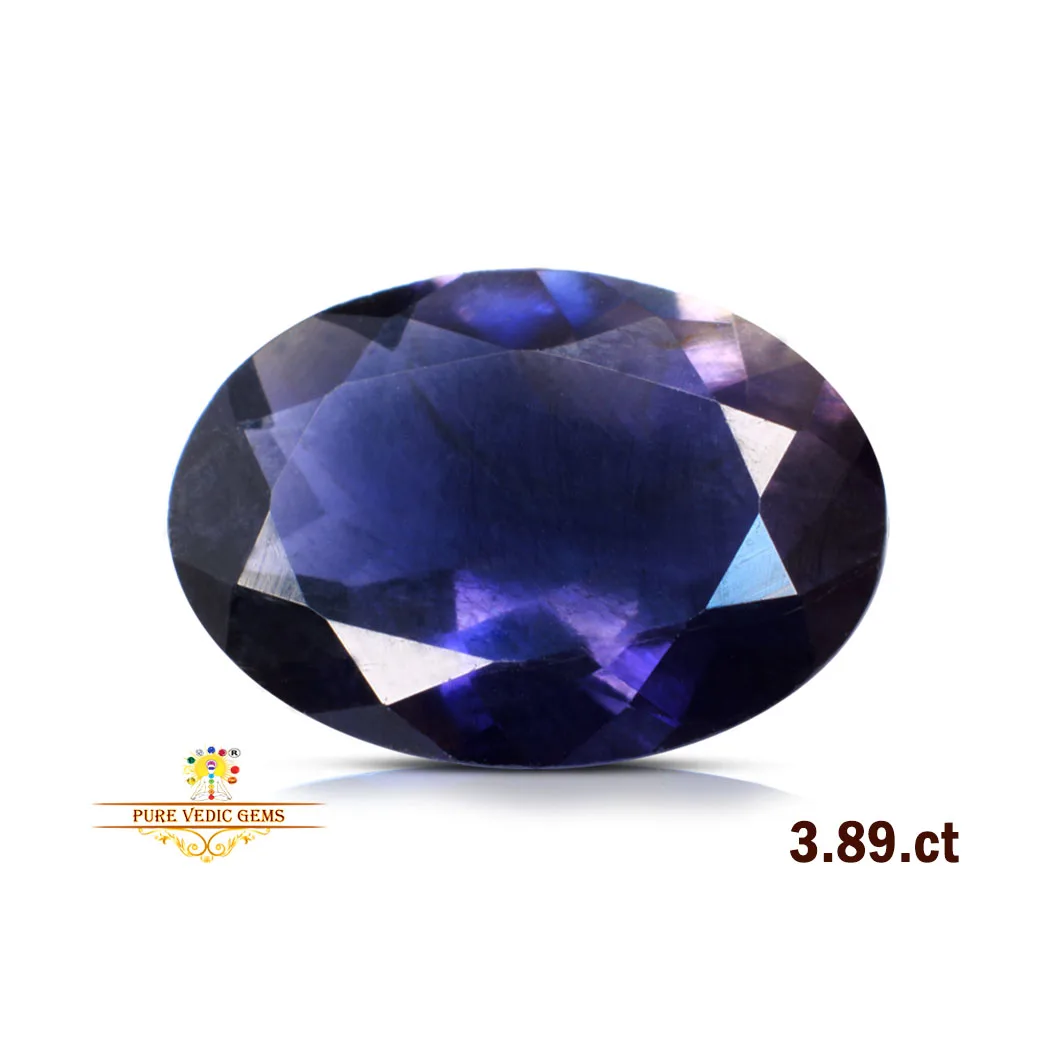
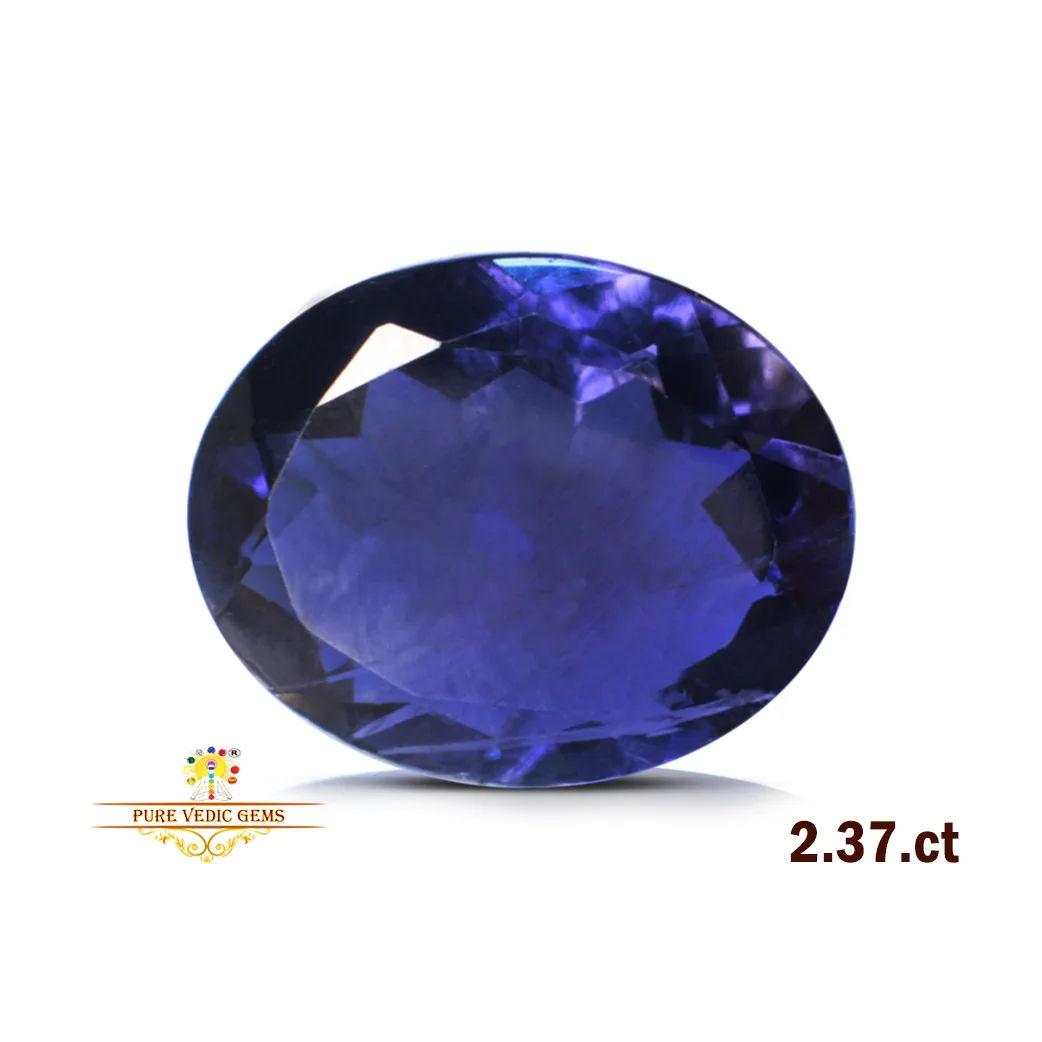
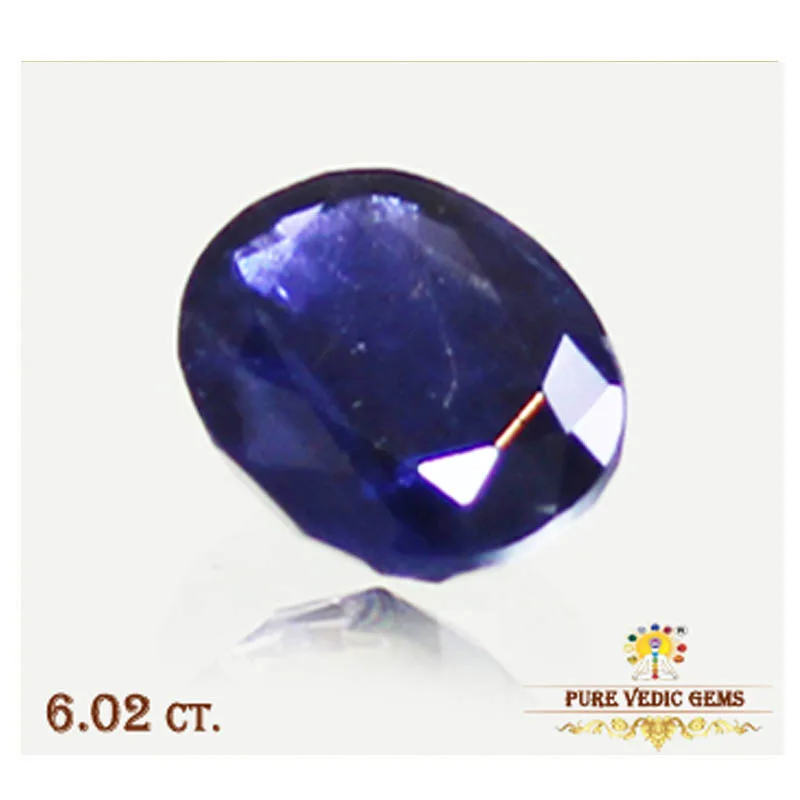
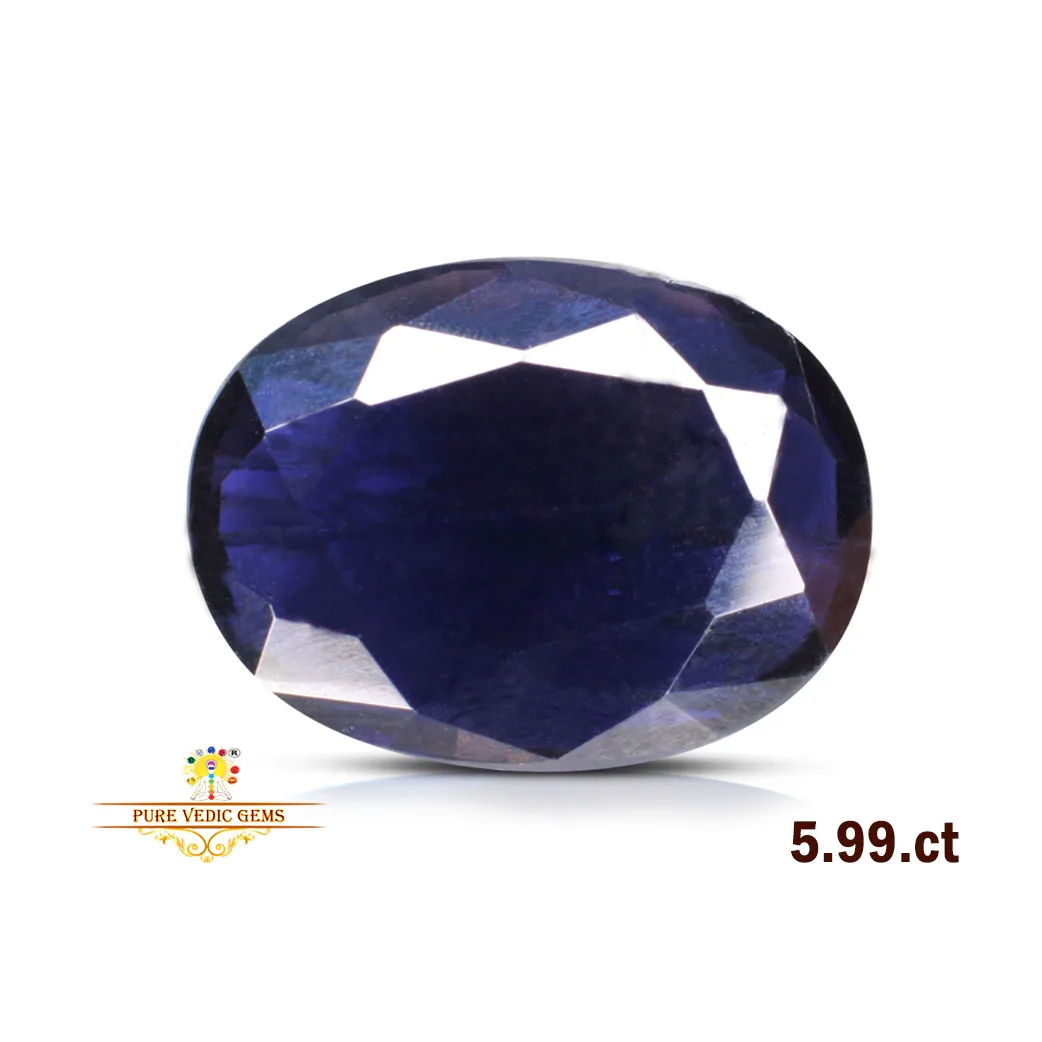
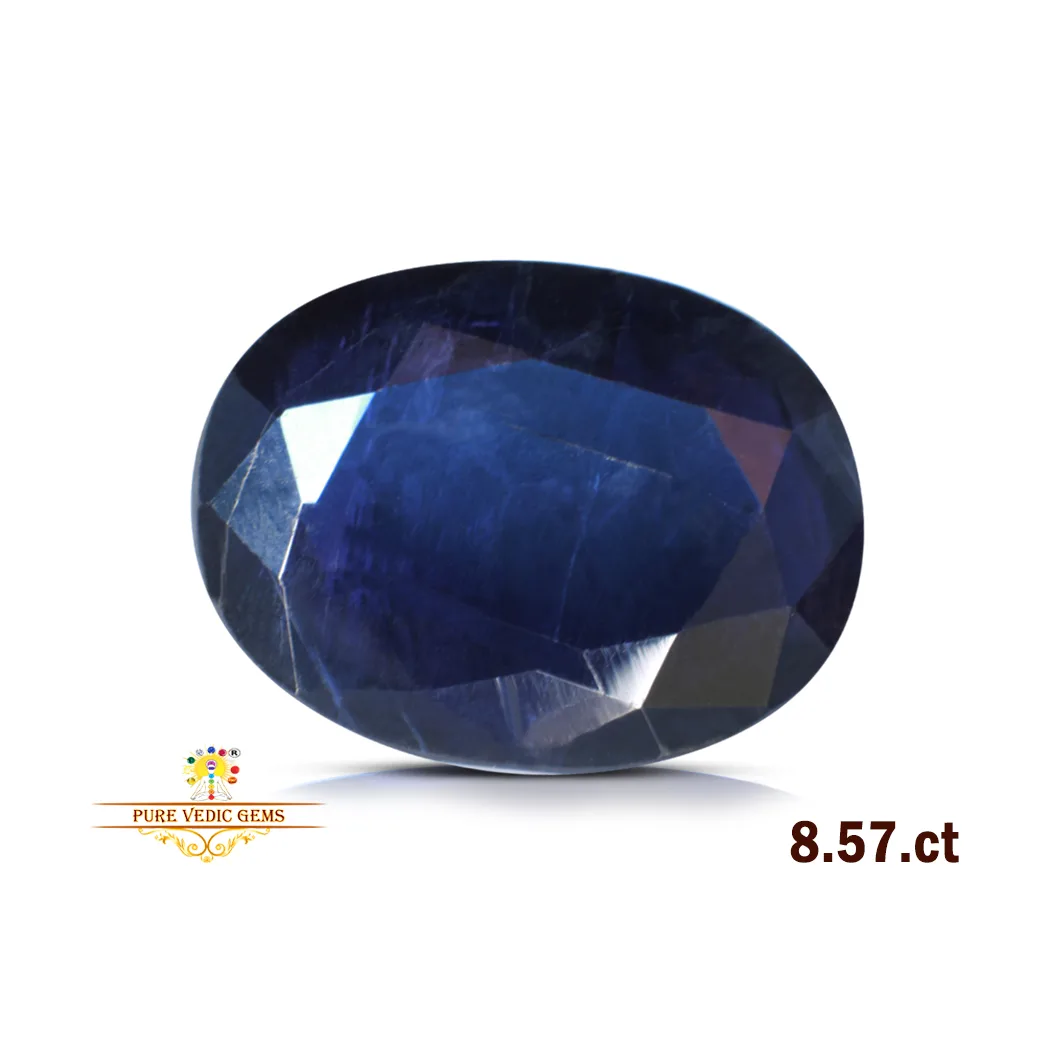
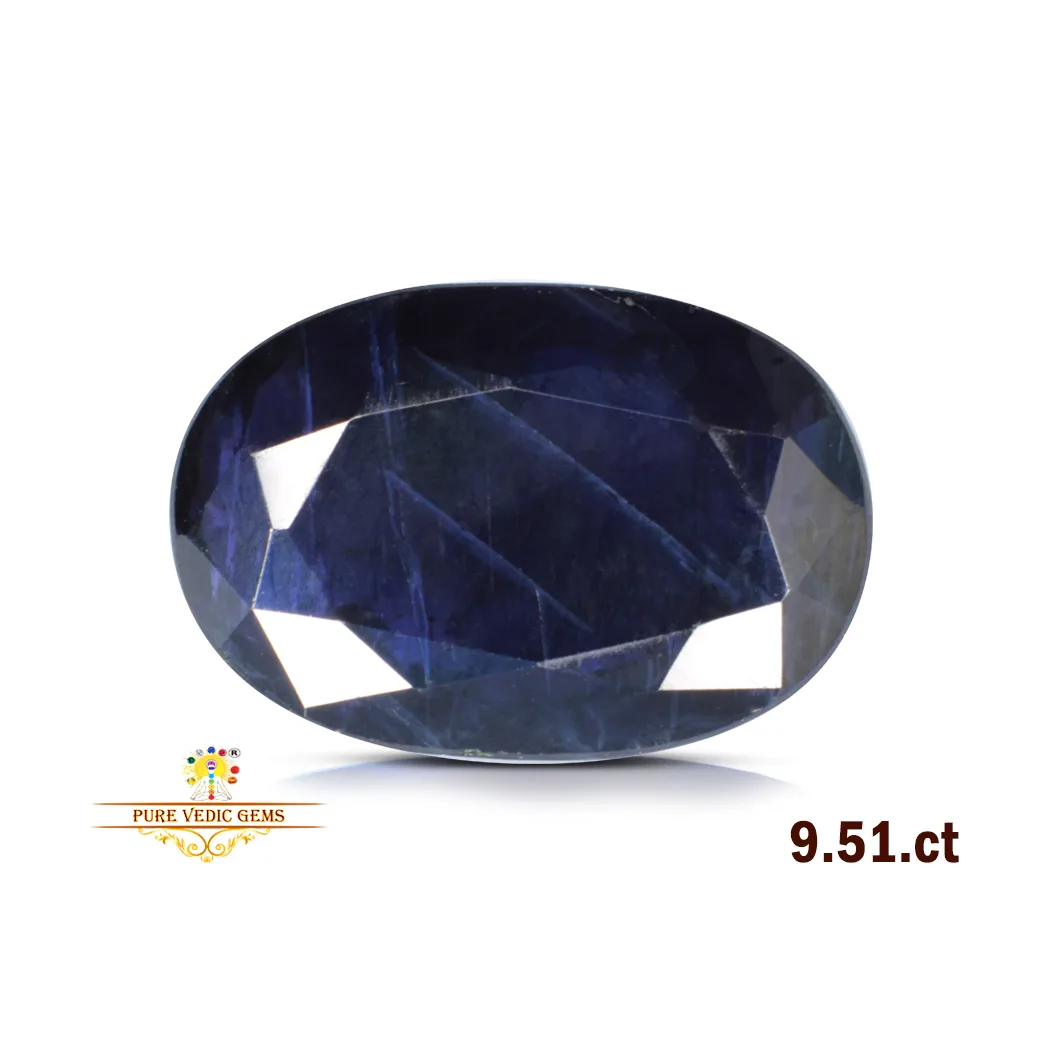
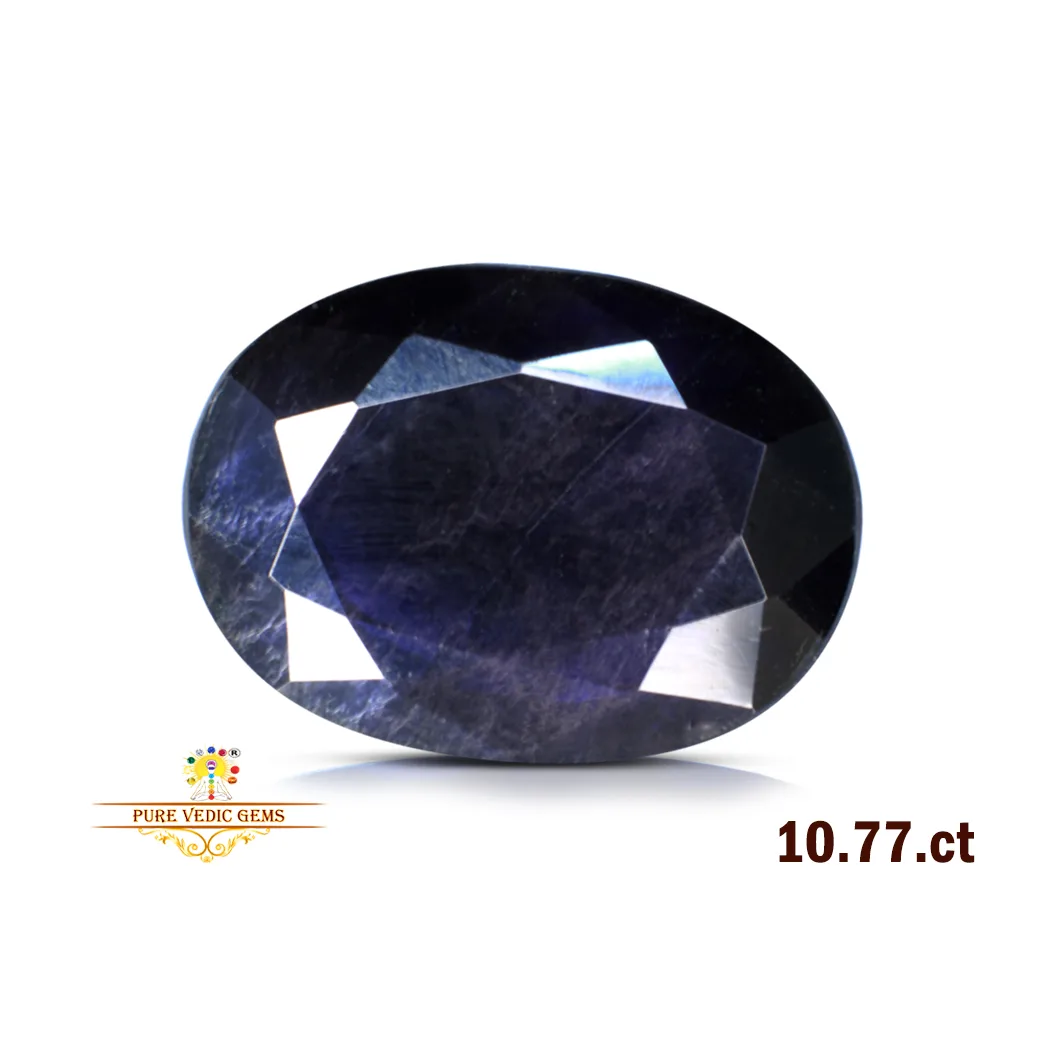
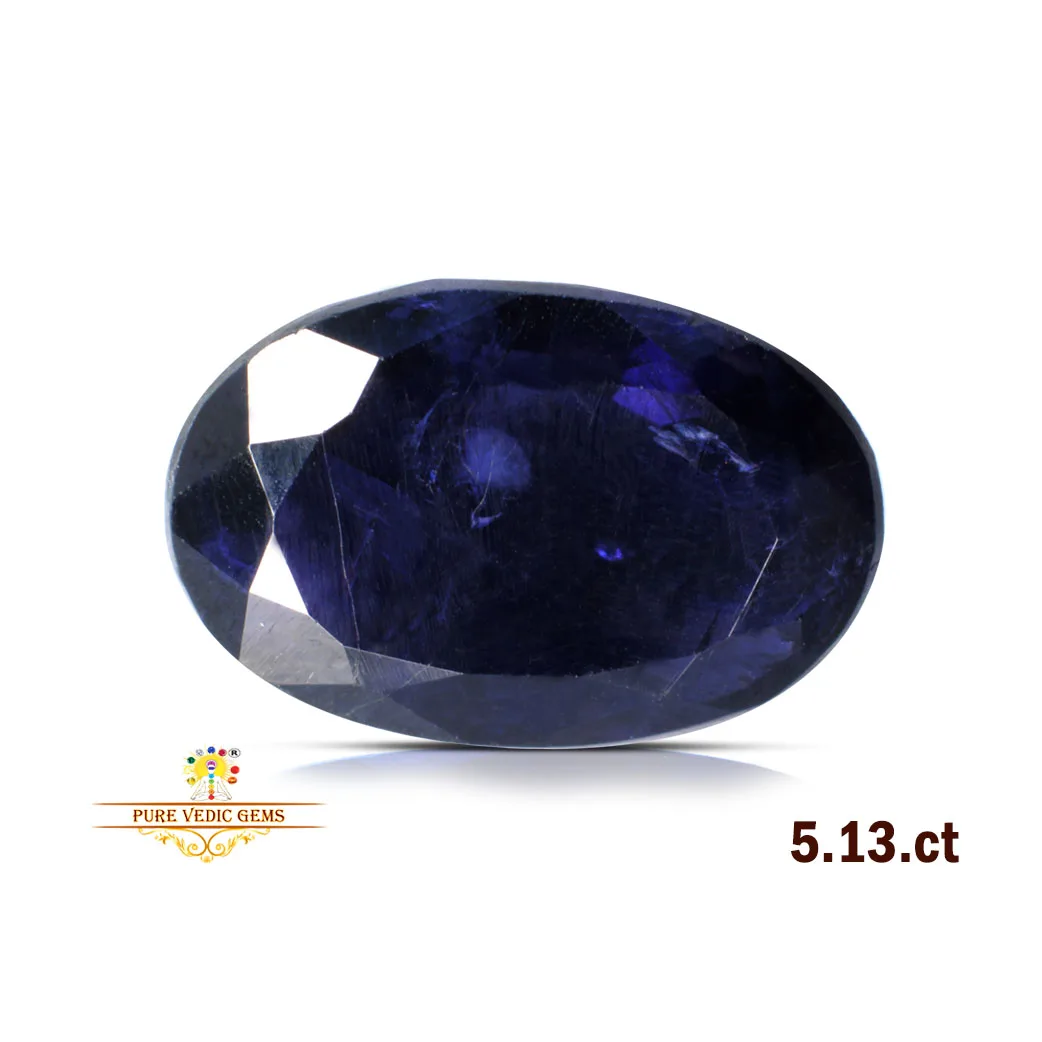
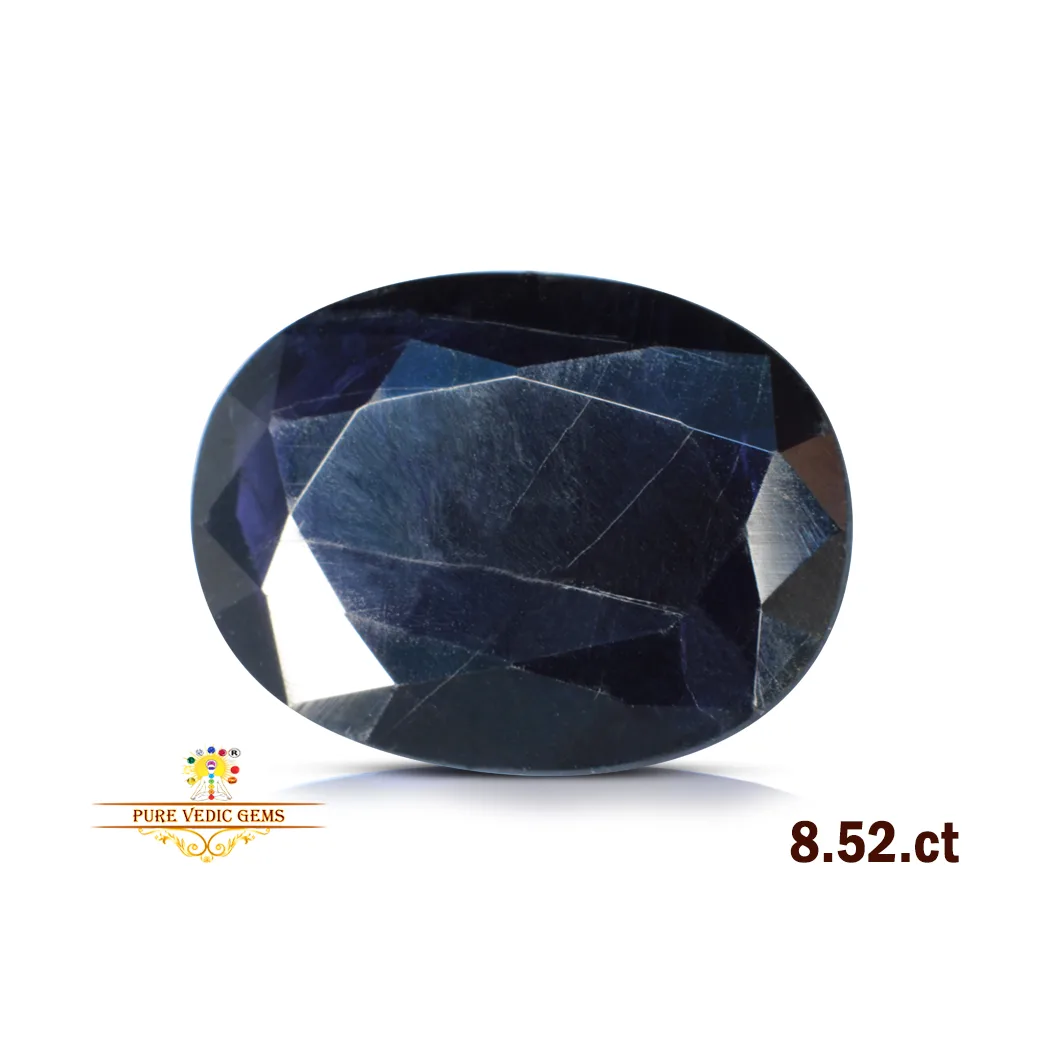
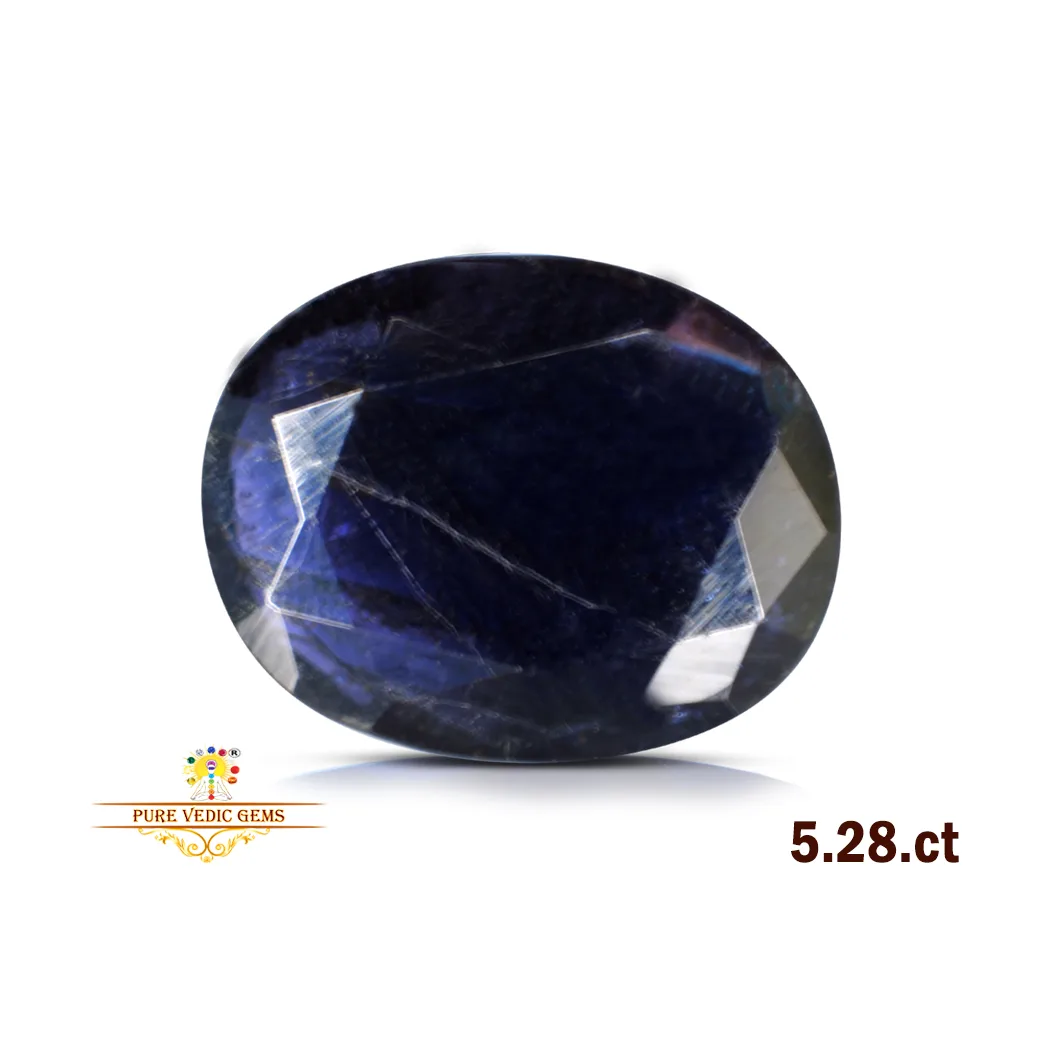
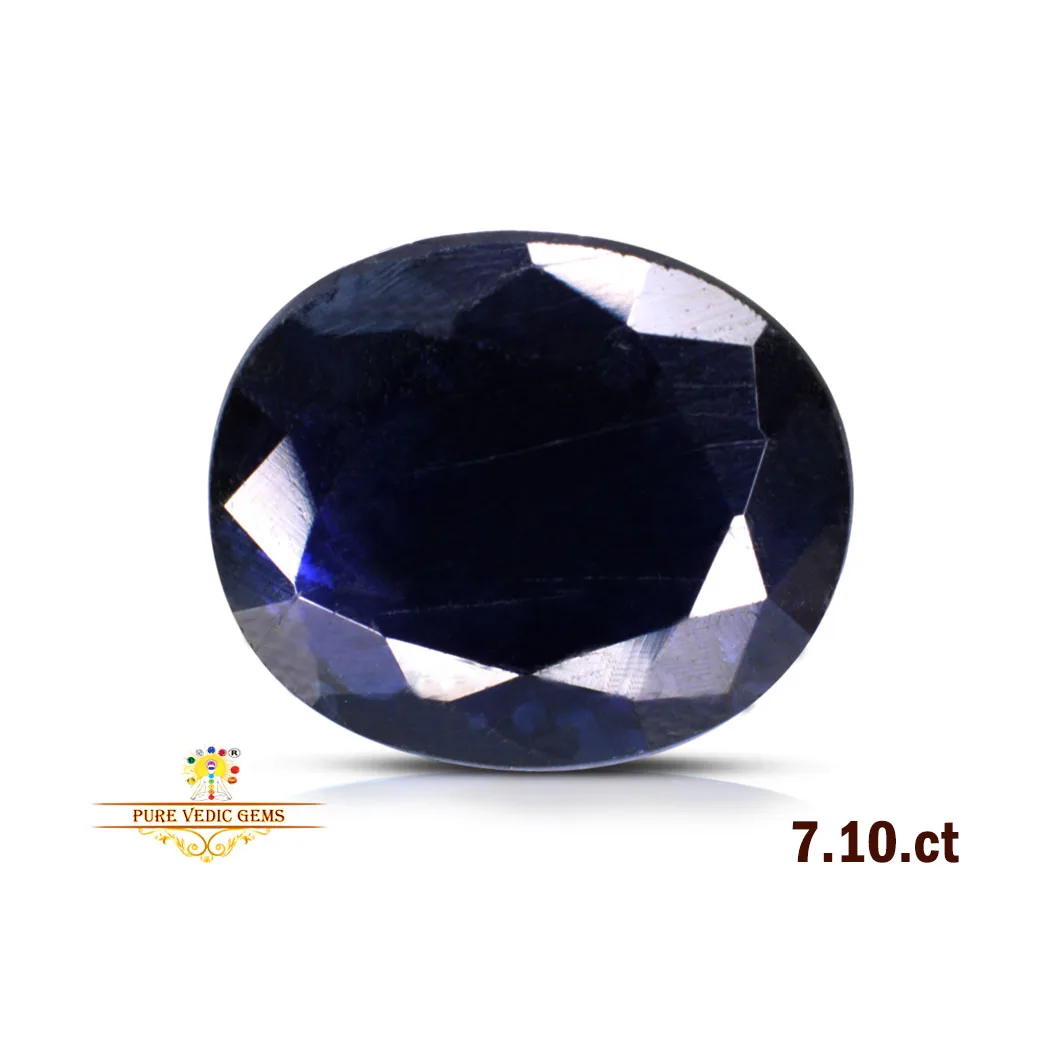
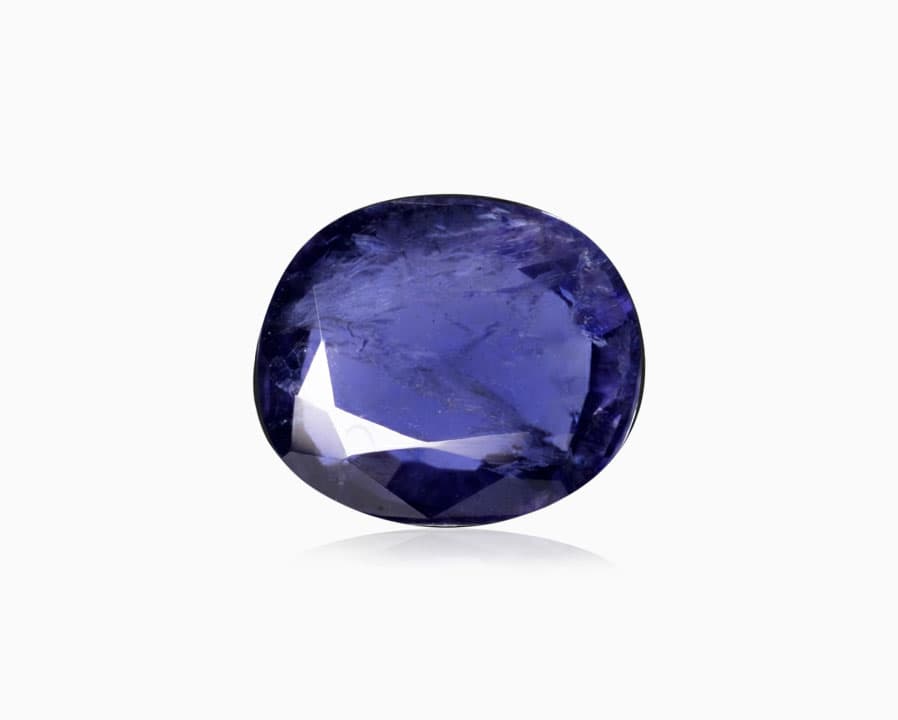
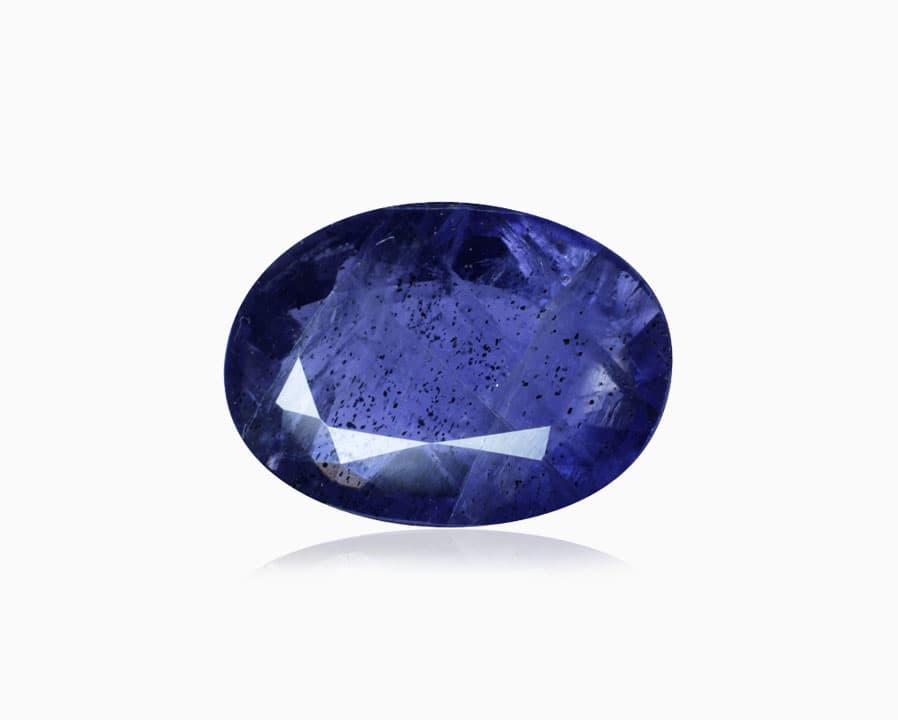
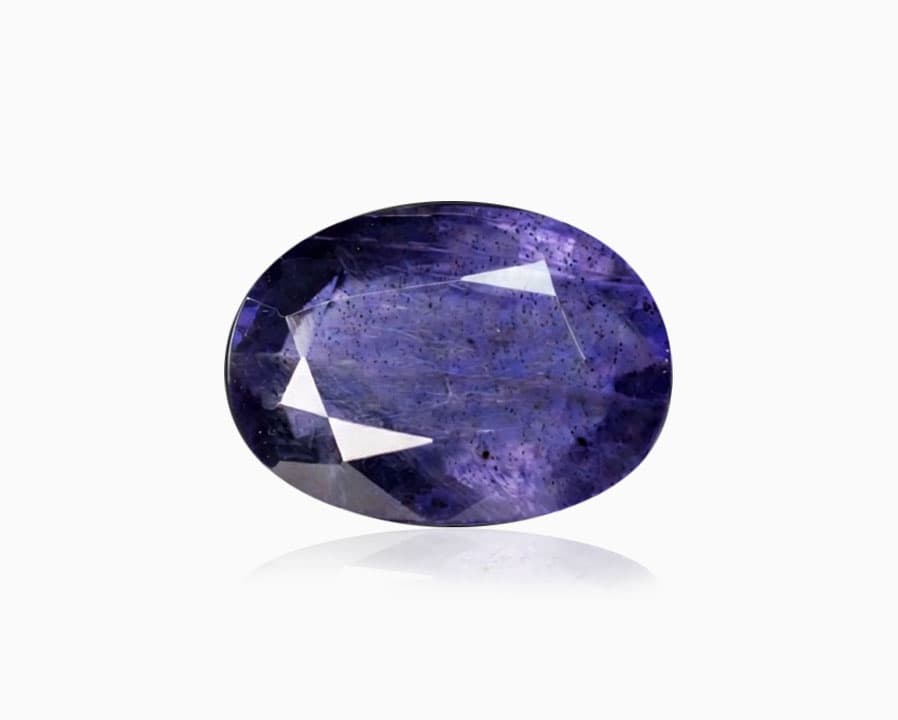
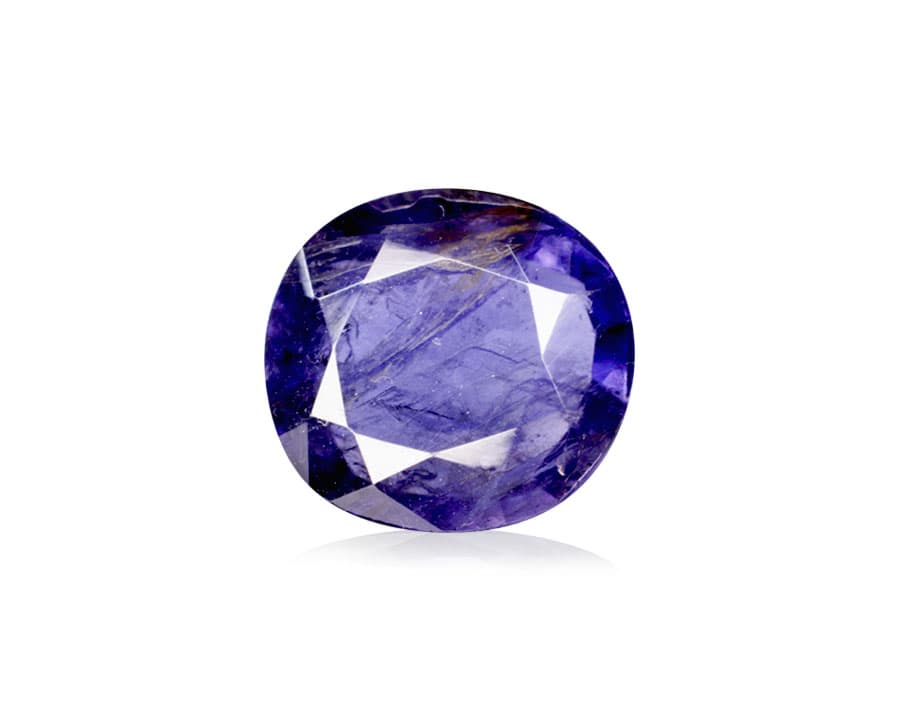
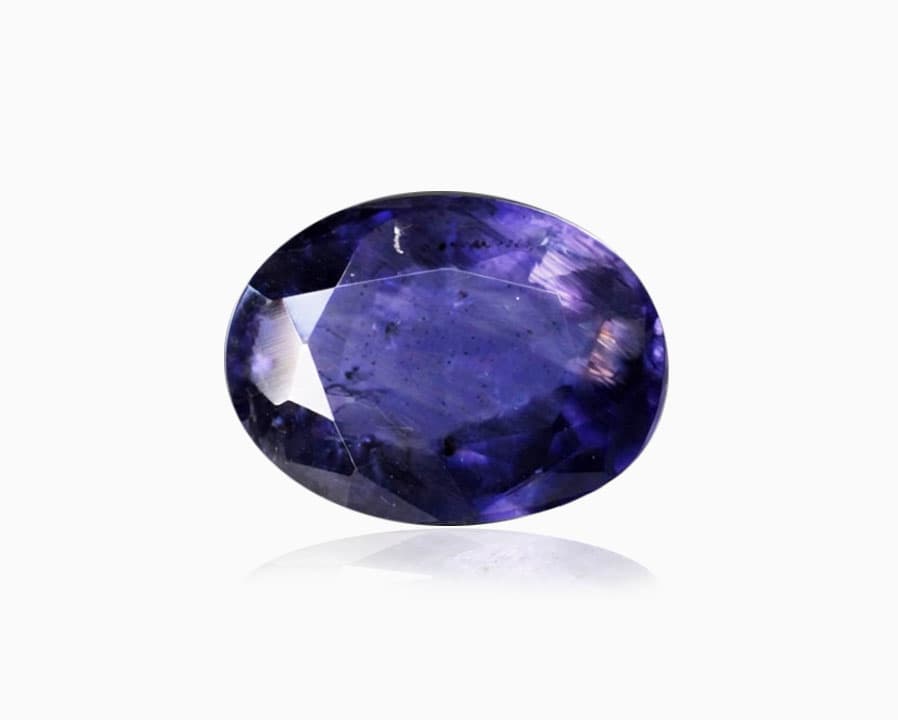
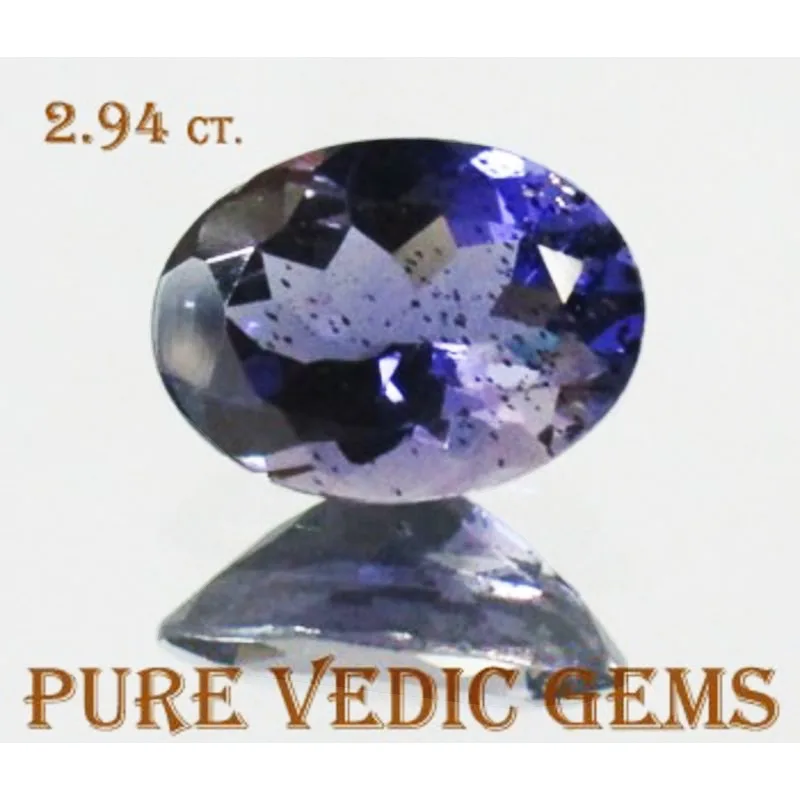
Iolite — Neeli or Kakaneeli — is a violet-blue cordierite with strong pleochroism, among the oldest recognized Shani upratnas in Indian gem…
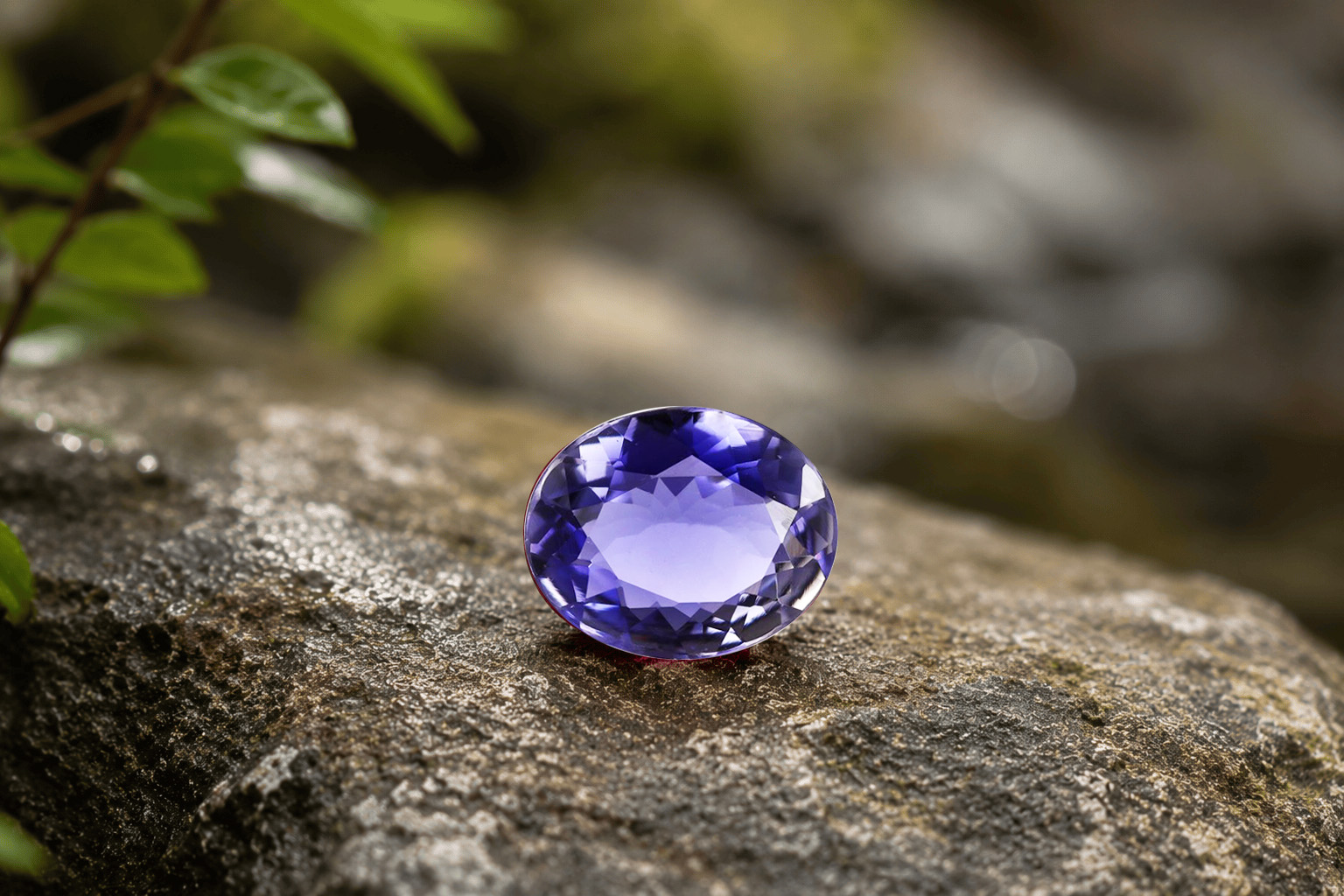
Iolite is magnesium iron aluminium cyclosilicate — (Mg,Fe)₂Al₄Si₅O₁₈ — with Mohs hardness 7–7.5. Strong trichroism shows blue, violet, and yellowish axes.
Neeli appears in traditional Jyotish lists alongside Amethyst and Lapis as a Shani upratna when Neelam is contraindicated or unaffordable. Gemstone remedies are chart-specific. Always consult a qualified Jyotish astrologer before wearing any stone for planetary purposes.
India (Bihar, Rajasthan), Sri Lanka, Madagascar, and Tanzania produce iolite. Indian "Neeli" heritage gives it cultural weight in North India.
| Mineral family | Cordierite (cyclosilicate) |
| Typical colour | Violet-blue to blue |
| Mohs hardness | 7–7.5 |
| Vedic association | Saturn (Shani) — Neeli upratna |
Wear on Saturday on middle finger in silver or Panchdhatu during Shani Hora. Chant Shani mantra 108 times.
Cut orientation should maximize blue face-up — pleochroic yellow axis reduces desirability if visible table-up.
Do not combine with Blue Sapphire without expert approval.
Prescribed when Shani remedies are needed with violet-blue tone and traditional Neeli authenticity matters to the practitioner.
May suit disciplined professions and spiritual aspirants during supportive Saturn periods.
Gemstone remedies are chart-specific. Always consult a qualified Jyotish astrologer before wearing any stone for planetary purposes.
Linked with patience, detachment, karmic accountability, and meditative focus under Shani.
Lighter specific gravity allows large-looking gems at lower weight — useful for carat-target remedies.
Indian Neeli carries traditional credibility among older Jyotish lineages.
Indian Neeli from gem gravels is historically referenced. Sri Lankan cordierite is clean and faceting-friendly.
Do not confuse with blue sapphire or tanzanite — different chemistry and RI ~1.542–1.551.
Water sapphire is folk name for iolite — not actual sapphire.
Saturated blue-violet with minimal windowing is top grade. Iolite remains very affordable versus Neelam.
Pleochroism management in cutting affects beauty significantly.
| Face-up colour | Violet-blue without brown or yellow table |
| Pleochroism | Skilled cut minimizes yellow axis |
| Clarity | Eye-clean to lightly included |
| Origin | Indian Neeli valued in tradition |
Silver Shani rings and pendants are standard. Iolite suits understated Vedic jewellery aesthetics.
Avoid thin girdles — iolite can chip if poorly cut.
Moderate hardness supports daily wear with care. Clean with warm soapy water.
Avoid hard knocks on exposed facet corners.
"Water sapphire" marketing on iolite misleads buyers about corundum status.
Tanzanite and blue spinel passed off as Neeli — test RI and spectrum.
Neeli (Kakaneeli) is traditional Hindi for Iolite — a classical Shani upratna in many North Indian Jyotish references.
Both are Shani upratnas. Iolite is blue-violet cordierite; amethyst is purple quartz. Your astrologer may prefer one based on chart and lineage.
No — "water sapphire" is a misnomer. Sapphire is corundum; iolite is cordierite with different properties and lower price.
Strong pleochroism — trichroic colours vary with viewing direction. Skilled cutting maximizes blue face-up.
Middle finger, silver, Shani Hora, Shani mantra — standard protocol unless your chart specifies otherwise.
Yes — Indian and Sri Lankan sources supply market. Authenticate natural cordierite via gem testing.