 +91-9310172512
 +44-7831491778
 +971-526686526
Curating certified treasures
India UK UAE
+91-9310172512+44-7831491778+971-526686526 India UK UAE+91-9310172512+44-7831491778+971-526686526 India UK UAE
Curating certified treasures
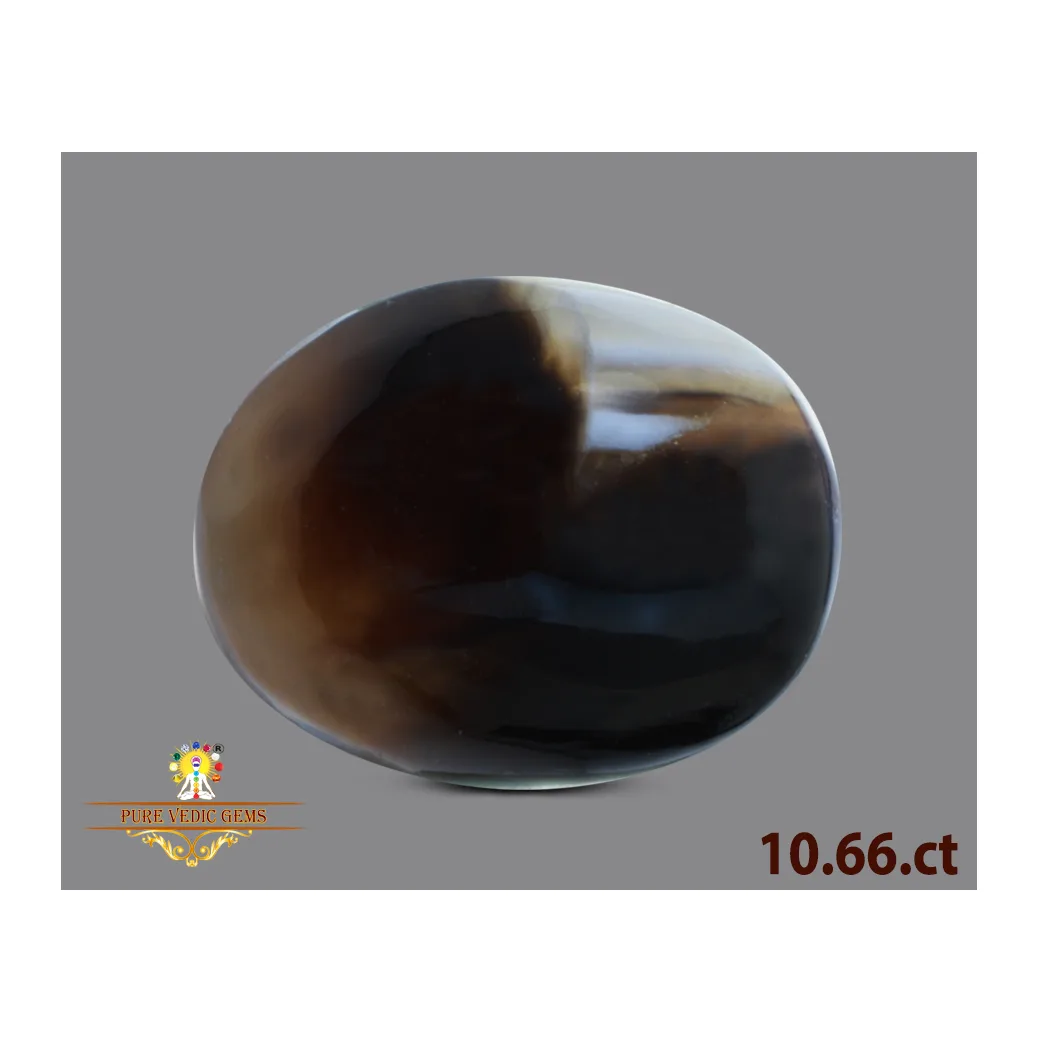
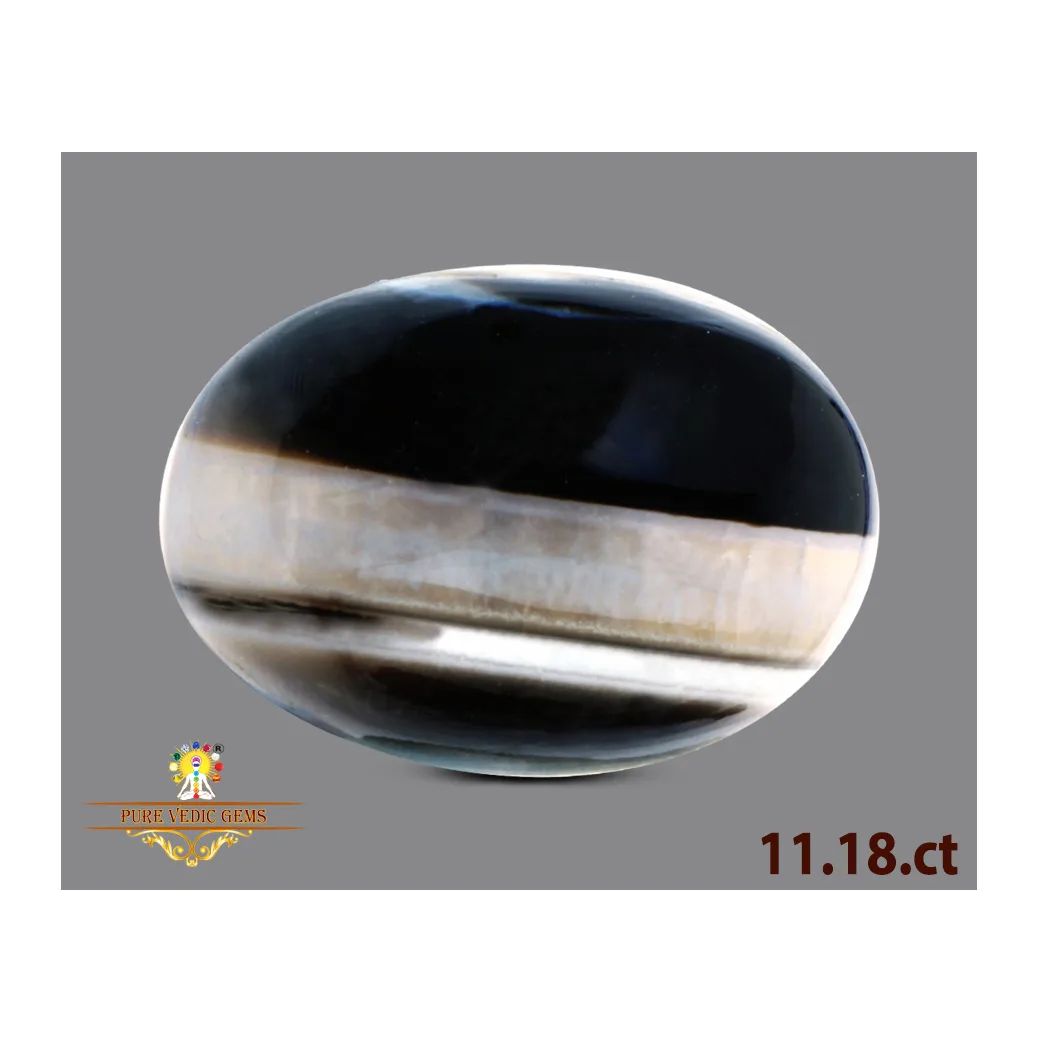
Hakik — Agate — is a banded chalcedony quartz worn for centuries in India as a Rahu protective talisman, kada, and affordable upratna when…
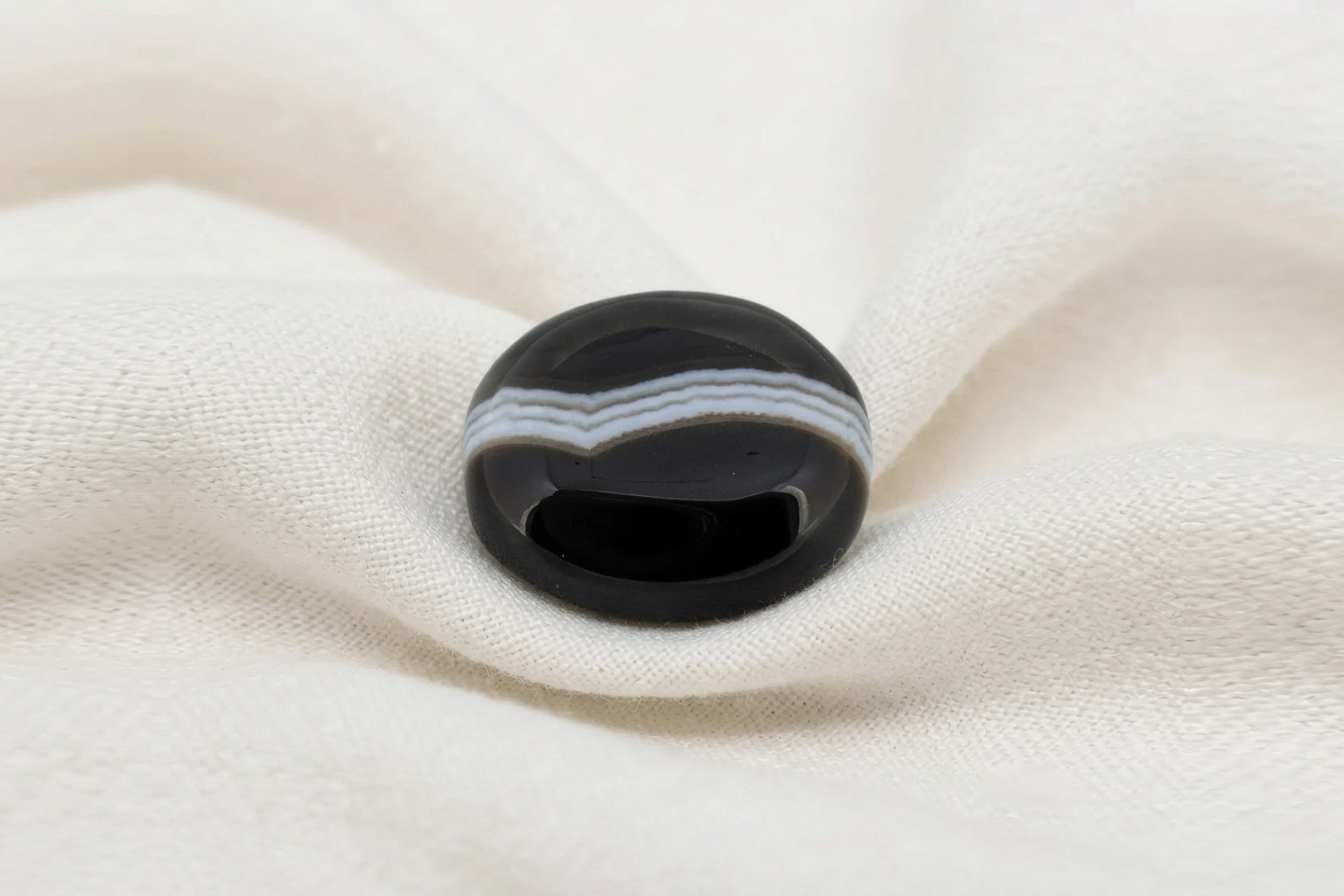
Hakik (Akik) is microcrystalline quartz — SiO₂ — with banded chalcedony structure. Mohs hardness 6.5–7. Black, red, brown, and multi-colour varieties exist.
Indian folk and Jyotish practice often prescribes black or brown Hakik for Rahu protection, while red Hakik appears in Mangal contexts. Rahu mapping is most common for black/brown bands. Gemstone remedies are chart-specific. Always consult a qualified Jyotish astrologer before wearing any stone for planetary purposes.
India (Gujarat, Maharashtra), Brazil, and Uruguay produce agate. Carnelian is red chalcedony — related but distinct.
| Mineral family | Chalcedony / Agate (quartz) |
| Typical forms | Banded cabochon, beads, kada |
| Mohs hardness | 6.5–7 |
| Vedic association | Rahu — folk upratna for Gomed |
Black or brown Hakik kada on wrist or middle finger on Saturday/Wednesday per lineage. Chant Rahu mantra 108 times after purification.
Agate accepts polish beautifully — ensure natural, not dyed plastic. Skin contact through open-backed bezels or solid kada is typical.
Clarify colour prescription: black for Rahu differs from red carnelian for Mangal.
Explored when Rahu needs grounding protection during challenging transits or dasha — especially if Hessonite is too strong or costly.
Widely worn as spiritual protection regardless of chart — but remedial use still requires astrological fit.
Gemstone remedies are chart-specific. Always consult a qualified Jyotish astrologer before wearing any stone for planetary purposes.
Associated with psychic protection, stability during chaos, and channeling Rahu's unconventional energy constructively.
Extremely affordable in large kada and bead forms — practical for continuous wear.
Historical use in Islamic and Hindu talismanic traditions across South Asia.
Black Hakik, moss agate, dendritic agate, and sardonyx serve different aesthetics. Confirm Rahu suitability for your chosen variety.
Dyed agate is ubiquitous — natural banding should look organic under magnification.
Glass and plastic "Hakik" in street markets fail gem tests.
Natural banded agate is inexpensive. Fine Uruguay or Indian carving work adds craftsmanship value.
For Jyotish, natural material and prescribed colour trump ornamental carving.
| Colour | Black/brown for Rahu per tradition |
| Natural bands | Organic banding, not uniform dye |
| Polish | Glossy without resin coating |
| Form | Kada, ring, or tasbih per prescription |
Hakik kada bracelets dominate Indian Rahu remedies. Rings and tasbih (108 beads) support mantra practice.
PureVedicGems lists natural Hakik with colour and treatment disclosure.
Very durable — soap and water cleaning. Dyed stones may fade with harsh chemicals.
Kada elastic or threading should be inspected annually.
Plastic and glass "Akik" sold at tourist sites. Aggressive dyes on white agate masquerading as black Hakik.
Red carnelian mislabeled for Rahu when Mangal prescription was needed — colour matters.
Black/brown Hakik is commonly linked to Rahu. Ketu often uses cat's eye chrysoberyl or multi-colour folk stones — confirm with your astrologer.
Yes — Hakik/Akik is the Hindi/Urdu name for agate (banded chalcedony quartz).
Kada is extremely popular for Rahu upratnas in India. Rings follow middle-finger protocol if prescribed.
Yes — much market Hakik is dyed. Natural banded agate is preferred for Jyotish; test and certify.
Hessonite garnet is primary Gomed. Hakik is quartz folk upratna — gentler and far less expensive.
Saturday evening or Wednesday per Rahu traditions — some wear continuously after energization. Follow your astrologer's muhurta.