 +91-9310172512
 +44-7831491778
 +971-526686526
Curating certified treasures
India UK UAE
+91-9310172512+44-7831491778+971-526686526 India UK UAE+91-9310172512+44-7831491778+971-526686526 India UK UAE
Curating certified treasures
Natural Blue Sapphire Stone (Neelam Stone): cornflower blue sapphire birthstone, blue sapphire price.
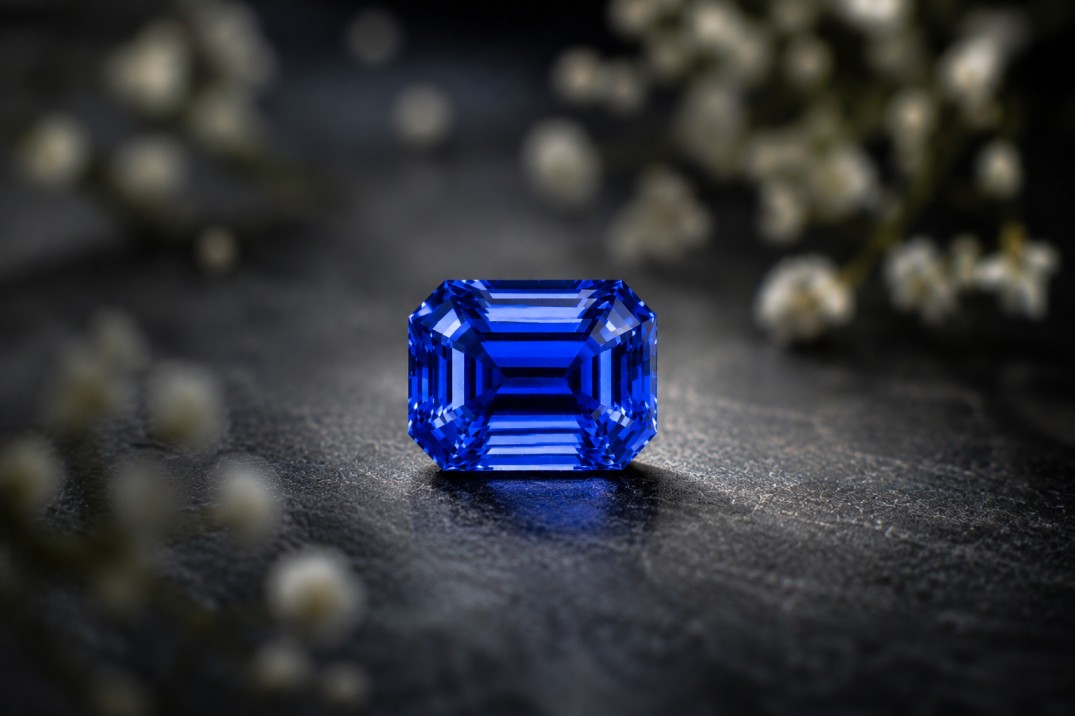
A natural blue sapphire stone is blue corundum. Iron and titanium give the colour. In Hindi it is a neelam stone (Neelam or Neelashma). Vedic astrology treats this gem as the ratna of Shani — Saturn. Cornflower blue sapphire is a colour grade of that same stone: bright, velvety true-blue, not a different mineral.
Kings once kept a natural blue sapphire for courage and clear sight. Buyers still look for that velvety blue. Kashmir, Sri Lanka, Madagascar, and Myanmar supply the best known material. The rarest hue is cornflower blue sapphire.
Therefore you should treat a natural blue sapphire stone as a prescribed remedy, not a casual fashion buy. Results can arrive fast. They can also feel harsh if Saturn is weak or angry in the chart.
Saturn rules Capricorn and Aquarius. He also rules time, labour, iron, bones, and long tests. Pushya, Anuradha, and Uttara Bhadrapada link to neelam in many classical lists.
As a result, a neelam stone is often named during Shani mahadasha or Sade Sati. Still, those periods do not always need neelam. First get a Jyotish reading. Then decide.
Unlike gentler gems, you test a neelam stone before a final ring. Tie or tape it to the body for three days. Watch sleep, mood, and events. If the trial feels wrong, stop.
Never wear a neelam stone without expert approval. PureVedicGems treats that rule as non-negotiable.
Kashmir set the standard for cornflower blue sapphire. A fine Kashmir stone shows a medium to medium-dark blue with a soft, velvety look. Sri Lanka (Ceylon) is now the practical source for most Jyotish-quality gems.
In addition, a few stones hold silk that can form a star when cut as a cabochon. That star sapphire is rare. Most jewellery uses a faceted natural blue sapphire stone. The finest colour in that cut is cornflower blue sapphire.
People in the East also call it Neelamani, Indraneel, and Indraneelam. The names change. The need for a natural, disclosed stone does not.
Kings once kept a natural blue sapphire for courage and clear sight. Today the same hue still signals authority. So rarity is not a slogan here. It is why we disclose origin and heat on every listing.
A blue sapphire birthstone is the Western September stone. In Jyotish the same corundum is a neelam stone. Buying a blue sapphire birthstone ring does not skip the chart check.
People shop a blue sapphire birthstone for birthday jewellery. For Saturn work it is still a natural blue sapphire stone: colour, heat, and trial first. A cornflower blue sapphire birthstone looks lively; a pale stone is weaker as a remedy.
So a blue sapphire birthstone and a Shani ratna can be the same gem. Ask for the lab line either way. Then trial before the final set.
People do not write to us about a “quick miracle”. They write about the process: chart first, trial next, then a ring they can wear every Saturday.
If you want that same path, read our customer testimonials or book a consultation before you pick a stone. We would rather lose a sale than set the wrong blue sapphire.
Wear a natural blue sapphire stone only after the trial and the chart check. The table below is the PureVedicGems Jyotish pattern. Your astrologer may adjust finger, metal, or weight.
| Weight | Generally 2–5 carats. Confirm with Jyotish — neelam is potent even at modest size. |
| Colour | Bright medium to dark blue. Cornflower blue sapphire is preferred. Royal blue sapphire is acceptable if it is not inky. Avoid a weak light blue sapphire for Jyotish. |
| Metal | Silver, white gold, or Panchdhatu. Not copper. Follow your astrologer. |
| Finger | Middle finger of the right hand (working hand). |
| Day | Saturday (Shanivar) |
| Time | Evening during Shani hora |
| Mantra | Chant “Om Pram Prim Proum Sah Shanaye Namah” or “Om Sham Shanicharaya Namah” 108 times |
| Purification | Gangajal, sesame oil rinse, black sesame offering, and a mustard oil lamp |
First cleanse the stone. Then chant. Then set it so the gem can touch skin. Also keep a record of the wearing date. You will want that note if you later change the setting.
A neelam stone suits many Capricorn (Makar) and Aquarius (Kumbh) charts when Saturn should be strengthened. It can also suit people in Shani mahadasha when Saturn is dignified.
Indian astrology names Neelam for Makar and Kumbh. Other rashis only qualify when the full chart says so. Rashi lists are a start. The horoscope decides.
Avoid a natural blue sapphire stone if Shani is badly placed in a dusthana with no relief. Also stop if the trial brings sudden fear, conflict, or illness. Do not buy neelam because a friend wears one.
PureVedicGems asks for Jyotish review and a trial before the final setting. Book a consultation if you are unsure. Then shop the blue sapphire quality guide so you can read colour, heat, and origin with clear eyes.
Do not guess. A short chart review tells you whether to trial a neelam stone, wait, or pick another Saturn substitute. Ask an expert before you add a stone to the cart.
People wear a neelam stone for Saturn’s themes: work, time, and endurance. The benefits below are traditional Jyotish uses. They are not medical claims. Results still depend on a real stone and a correct prescription.
Saturn pays for finished work. A well-chosen neelam is worn to break career stalls. Then effort starts to show. This helps jobs, firms, and solo projects that need long focus.
One hoped-for gift of neelam is a turn in sliding luck. It is said to open slower, more stable wealth — land, salary, and built assets — rather than quick speculation.
Hard work needs witnesses. As a result, people wear this gem so talent gets seen in office, art, or public life. Fame here means earned notice, not empty noise.
Saturn teaches routine. Wearers often seek a calmer work ethic. Neelam is the gem people pick when they want fewer delays caused by their own scattered habits.
For Sade Sati or Dhaiya, a prescribed neelam is used to soften blocks. It does not erase karma. It is worn to meet tests with more backbone.
Texts link Saturn to bones, nerves, and teeth. Some people therefore wear neelam beside medical care for joint pain or low mood. See a doctor for health. Use the gem only as a traditional support.
Not every natural blue sapphire stone is equal. Origin, colour, heat, and cut change both price and Jyotish fitness. Use the notes below before you filter the collection.
Aim for true blue — not too violet, not grey, not inky. That look is what the trade calls cornflower blue sapphire. The stone should look vivid in daylight and still alive in indoor light. In Hindi, a deep natural blue sapphire stone is often called Indraneelam.
Cornflower blue sapphire sits between pale watery blue and inky black-blue. It is bright, medium to medium-dark, and a little velvety. Kashmir made the name famous. Fine Ceylon material can also reach this hue.
Astrologers often prefer cornflower blue sapphire because the colour stays lively without looking inky or washed. Too dark a stone can look sleepy. Too light a stone can look pale. Hold the gem in north daylight and then indoors. A real cornflower blue sapphire keeps its blue in both.
So if a listing says royal blue sapphire it may be darker. If it says cornflower blue sapphire you should still check saturation and heat on the lab paper. The name is a colour grade, not a licence to skip disclosure.
Royal blue sapphire is a deeper, more saturated blue than cornflower. It can look velvety in Burma or Madagascar material. It is still a natural blue sapphire stone — not a separate species.
Jyotish buyers may wear a royal blue sapphire when the hue stays lively in daylight and is not black-blue. An inky royal blue sapphire is weaker as a neelam stone. Compare it next to cornflower blue sapphire in north light.
Price follows that depth: a fine royal blue sapphire often costs more than a pale stone and less than rare Kashmir cornflower. Always read heat on the paper.
Light blue sapphire is pale, often from heated Ceylon geuda. It is still corundum when the lab says so. For Saturn work, a light blue sapphire is usually the weaker pick — low saturation, easy to wash out indoors.
A light blue sapphire can suit a tight budget or a jewellery design that needs a soft blue. Do not treat it as the same remedy as a medium-dark neelam stone. Neelam stone price is lower for light blue sapphire because the colour is less in demand.
If your astrologer accepts a light blue sapphire, keep it unheated if you can, and keep the three-day trial. Colour grade does not cancel chart risk.
Unheated is strongly preferred for ratna use. Simple heat is common in the trade and must be disclosed. Beryllium diffusion and lattice diffusion disqualify a natural blue sapphire stone for classical Jyotish.
A blue star sapphire is a cabochon that shows a six-ray star (asterism) from silk. Value follows the sharpness of the star, not facet sparkle. View a blue star sapphire in direct light and tilt the stone.
Sri Lanka, Myanmar, and parts of Africa produce most blue star sapphire. Being opaque, blue star sapphire price depends on lustre and how centred the star sits. A fuzzy star is a weaker blue star sapphire.
For Jyotish, a faceted neelam stone is the usual first choice. Wear a blue star sapphire as the Saturn gem only when an astrologer accepts a cabochon. Otherwise treat blue star sapphire as jewellery with honest disclosure.
A natural blue sapphire can be unheated or heated. Unheated is the Jyotish first choice. Heat is common and must be named on the lab paper. Beryllium or lattice diffusion can still be earth-grown, but it is not acceptable for classical Jyotish — skip it.
Therefore you should read the treatment line before you compare price. Two stones can look similar. Only one may be an unheated natural blue sapphire with no diffusion.
Filter the collection the same way a gem lab talks about origin. Then compare heat and paper, not just the name on the tag. Ceylon is the first place to look for a wearable natural blue sapphire stone. Fine Ceylon can also show cornflower blue sapphire colour.
Blue sapphire price in India is not one number. Jyotish-quality natural blue sapphire stone often runs from about INR 3,000 per carat to INR 3,00,000 per carat. Rare untreated cornflower blue sapphire and Kashmir sit at the top of that range. Compare certified listings, not a single rate.
Blue sapphire price moves with origin, colour, clarity, cut, carat, and treatment. A light blue sapphire sits at the low end. A royal blue sapphire in the middle. Fine cornflower blue sapphire and Kashmir set the ceiling.
Read blue sapphire price per carat on the listing, then check the lab line for heat. Two stones of the same carat can differ tenfold. That gap is normal. Neelam stone price is the same scale under the Hindi name.
Neelam stone price moves with origin, colour, clarity, cut, carat, and treatment. A light blue sapphire sits at the low end. A royal blue sapphire in the middle. Fine cornflower blue sapphire and Kashmir set the ceiling.
Therefore you should read neelam stone price per carat on the listing, then check the lab line for heat. Two stones of the same carat can differ tenfold. That gap is normal.
Like other coloured gems, a natural blue sapphire is priced by origin, colour, clarity, cut, carat, and treatment together. Knowing that mix helps you buy a stone that fits both the chart and the budget.
Kashmir natural blue sapphire stone, when colour and velvet are real, is rare and priced in the exclusive band — about INR 30,000 to INR 3,00,000 per carat on our quality scale. Fine untreated Ceylon and Burma often sit nearer INR 7,000 to INR 30,000 per carat. Heated commercial blues are lower.
Colour is the first price lever. A cornflower blue sapphire stone costs more than a dark Bangkok-type blue. A royal blue sapphire costs more than a light blue sapphire. If hue, tone, or saturation slips, neelam stone price drops fast.
Silk, fingerprints, and colour bands are normal. A perfectly clean natural blue sapphire stone is rare and expensive. Buy lab-checked stones so you are not paying gem prices for glass or heavy fill.
A blue star sapphire, rare Kashmir origin, and untreated fine colour all add a premium. Also, a well-cut oval or cushion that faces up bright will outprice a windowed stone of the same carat.
GRS, GIA, and Gübelin reports should state heat. Origin reports matter most for Kashmir and Burma. At checkout, PureVedicGems shows lab, treatment, and origin on every listing so you can match the paper to the natural blue sapphire stone in the tray.
After a good trial, most people set a natural blue sapphire stone in a ring. Pendants, bracelets, and brooches are also worn. For Shani, skin contact still matters. Open-back rings are the usual Jyotish choice.
A natural blue sapphire stone ring on the middle finger is the classic Saturn setting. A blue sapphire birthstone ring uses the same stone — still open-back, still after trial. Choose a secure open-back mount so the gem can touch skin. Silver, white gold, and Panchdhatu are the metals we recommend. Confirm with your astrologer before the jeweller starts.
A pendant keeps a natural blue sapphire near the heart and works with gold or silver. It is a good second piece. It is not a full substitute for a prescribed ring unless your astrologer says so.
Natural blue sapphire stone bracelets suit people who already have a primary ring. They add colour for day wear. For first-time Shani remedies, start with the ring after trial.
Brooches pin a natural blue sapphire stone to a coat or scarf. They look royal and stay easy to remove. Use them as jewellery. Do not treat a brooch as the only astrological setting unless prescribed.
Many astrologers wrap or tape the loose natural blue sapphire stone on the arm for a three-day trial before a permanent ring. PureVedicGems can help you plan that trial, then move to an open-back, secure mount.
Sapphire is a 9 on the Mohs scale, so a natural blue sapphire stone is tough. Settings still fail. Care keeps both the gem and the Saturn remedy in good order.
Wipe your natural blue sapphire stone with a soft cloth and lukewarm soapy water. Then rinse and dry. Do not use harsh chemicals. Also skip ultrasonic cleaners if the stone has fractures or a delicate mount.
Keep a natural blue sapphire stone in a soft pouch or a lined box. A hard surface can wear the polish. Do not toss it against diamond jewellery in the same dish.
Have a jeweller check prongs once a year. Loss of a natural blue sapphire stone is treated as astrologically serious in many families. A tight setting is cheaper than a lost Shani ratna.
On Saturday, rinse with Gangajal, light a sesame or mustard lamp, and repeat the Shani mantra. Then wear the natural blue sapphire stone again with a clear intention.
Flux-grown, hydrothermal, and beryllium-diffused sapphires flood the market. Blue glass and iolite are sold as neelam. An original natural blue sapphire stone should have a lab paper and a treatment line you can read.
Choose a bright cut. Accept some silk. Compare price per carat by origin. Always buy from a seller who will explain heat and will not hide a cheap “Kashmir” story.
PureVedicGems has sourced Jyotish gems since 1937. We list certified stones, show treatment, and support trial protocols. Buy natural blue sapphire stone online here only after you understand the chart risk. That is how responsible neelam selling works.
Lab papers come from recognised gem labs. If a listing cannot show heat status, do not treat it as a Shani ratna.
A natural blue sapphire grew in the earth. A synthetic grew in a lab. Glass and iolite are not sapphire at all. Ask for a report that names natural corundum. Then check heat.
A beautiful natural blue sapphire stone is still the wrong stone if Saturn forbids it. Use the trial. Then set. PureVedicGems will not skip that step to close a sale.
Chat with us, call us, or book a callback. Get a Jyotish review and then buy blue sapphire online with the lab paper in hand. That is the honest way to inherit the stone’s beauty.
A blue sapphire birthstone is September’s stone in Western lists. In Vedic use it is still a natural blue sapphire stone (neelam). Buy a blue sapphire birthstone only after heat disclosure; trial it if you will wear it for Saturn.
Blue sapphire price on our quality scale is about INR 3,000 to INR 3,00,000 per carat. Light blue sapphire is cheaper. Royal blue sapphire sits in the middle. Rare cornflower blue sapphire and Kashmir cost more. Read blue sapphire price on the listing, not a generic quote.
Cornflower blue sapphire is a colour grade of natural blue sapphire — bright, velvety true-blue corundum, called Neelam in Vedic astrology. It is not a separate gem. Saturn’s ratna is the natural blue sapphire stone; cornflower is the hue astrologers prefer when the chart allows it.
A natural blue sapphire is earth-grown corundum, not lab-grown or glass. For Jyotish, unheated natural blue sapphire stone is preferred. Heat must be disclosed. Beryllium diffusion is not acceptable.
A neelam stone is the Hindi name for a natural blue sapphire stone — Saturn’s gem in Vedic astrology. Cornflower, royal blue sapphire, light blue sapphire, and blue star sapphire are looks of the same corundum, not different minerals.
Neelam stone price on our quality scale is about INR 3,000 to INR 3,00,000 per carat. Light blue sapphire is cheaper. Royal blue sapphire sits in the middle. Rare cornflower and Kashmir cost more. Read the listing, not a generic quote.
Royal blue sapphire is a deep, saturated blue — darker than cornflower, not black. It is a colour grade of natural blue sapphire. Wear it for Jyotish only if it stays lively in daylight and the chart allows a neelam stone.
Light blue sapphire is pale corundum, often heated Ceylon. It can be genuine, but it is usually a weaker Saturn remedy than a medium-dark neelam stone. Neelam stone price is lower for this colour because saturation is low.
A blue star sapphire is a cabochon with a six-ray star from silk. Price follows the star, not facet fire. Use a blue star sapphire for Jyotish only when an astrologer accepts a cabochon; otherwise it is jewellery.
Neelam stone price for astrological natural blue sapphire stone often runs from about INR 3,000 to INR 3,00,000 per carat. Rare untreated cornflower blue sapphire and Kashmir cost more. Compare certified listings rather than a generic neelam quote.
Neelam is worn for Saturn themes: career structure, endurance, and protection from delays. Results can be swift — for better or worse — so chart review comes first. These are traditional uses, not medical claims.
Only when an astrologer confirms Saturn should be strengthened. Never wear Neelam because a friend did. Use a trial period and expert prescription.
Look for natural inclusions and a lab report that names corundum and heat status. Overly clean cheap stones are often synthetic or glass. A natural blue sapphire can still look clean — the paper must say so.
A vivid cornflower blue sapphire is preferred. A lively royal blue sapphire can also work. A pale light blue sapphire is weaker for Jyotish. Your horoscope may still refine the pick.
Yes, if the stone is high quality and untreated. Many astrologers prefer a smaller genuine neelam over a large heated one.
Origin, colour, clarity, carat, and treatment move the price. Kashmiri stones lead, then Burmese, then Sri Lankan. Untreated vivid stones cost more than heated or dull ones.
Match budget and chart. Kashmir is rare and premium. Burma is strong in hue. Sri Lanka is the practical fine stone for most Jyotish buyers, and some Ceylon gems show cornflower blue sapphire colour. Ask an expert before you lock origin.
Classical use at PureVedicGems is the middle finger of the right hand. Confirm before the jeweller sets the ring.
A natural blue sapphire stone is mainly prescribed for Capricorn (Makar) and Aquarius (Kumbh) ascendants. Certain yogas still forbid the gem, so take a reading first.
If the stone is unsuitable, harm can show within the three-day trial. If it suits, do not expect a miracle in those days — positive effects often take a few weeks to a few months. Fake or wrongly prescribed stones will not give the result you want.
A genuine, prescribed neelam is used to steady Saturn’s dasha. It is not automatic. The chart and the trial decide.
Shani gives swift results. If Saturn is unfavourable, neelam may amplify challenges. That is why trial wear and expert prescription are essential.
Tie or tape the stone to your body for three days. Watch dreams, mood, headaches, and events before you commit to a ring.
Sometimes yes, sometimes no. It depends on Shani’s house lordship and dignity. Never assume Sade Sati automatically requires neelam.
Kashmir is legendary and rare. Fine unheated Ceylon is the practical astrological standard for neelam today.
Guru–Shani combinations need expert yoga analysis. Pitambari sapphire exists for dual-influence charts. Do not pair on your own.
Unheated is strongly preferred. Some astrologers accept disclosed heat-only if Saturn is well placed. Diffusion is not acceptable.
Buy a natural blue sapphire stone for authentic Saturn work — career structure, focus, and long tests — only when it is genuine and prescribed. Shop certified listings and keep the three-day trial. Fine colour is often a cornflower blue sapphire, which is a hue, not a licence to skip the chart.
Adjust your filters, clear the search term, or request help sourcing a similar gemstone.