 +91-9310172512
 +44-7831491778
 +971-526686526
Curating certified treasures
India UK UAE
+91-9310172512+44-7831491778+971-526686526 India UK UAE+91-9310172512+44-7831491778+971-526686526 India UK UAE
Curating certified treasures
Upratna are traditional Vedic substitutes for Navaratna gems — the same graha, a gentler stone, chosen after chart review.

Upratna (उप रत्न) are the secondary Vedic gems used when a Navaratna is too strong, too costly, or not indicated. Our recommendation notes and gem-qualities FAQ treat them as planetary substitutes — not as a cheaper way to skip Kundli review. Gemstone remedies are chart-specific. Always consult a qualified Jyotish astrologer before wearing any stone for planetary purposes.
At PureVedicGems, each Upratna listing names the mineral, treatment status, and the Navaratna it traditionally stands in for. Buy the substitute that was prescribed, not a colour-matched lookalike.
| Planet | Navaratna | Upratna on this site |
|---|---|---|
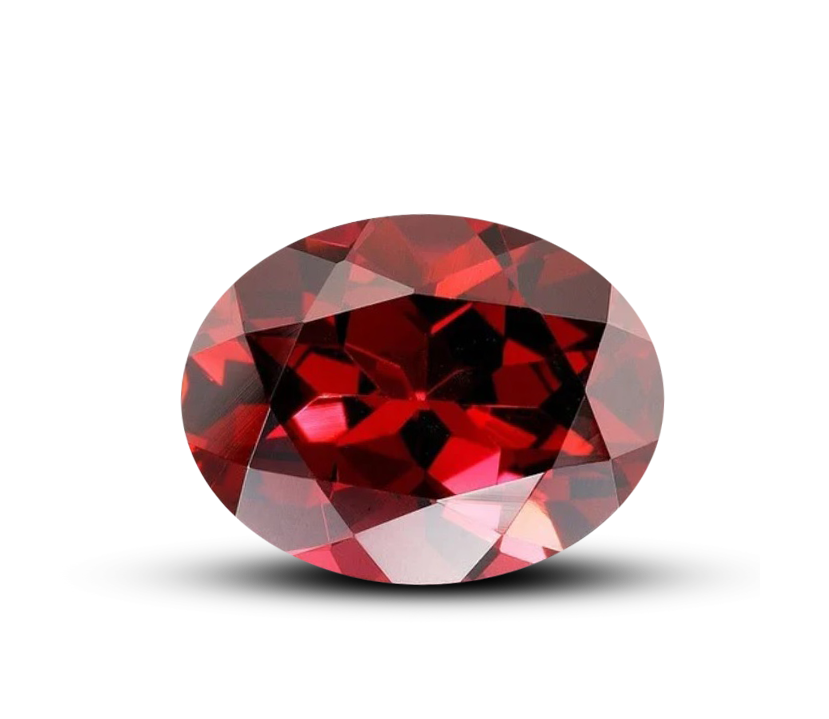
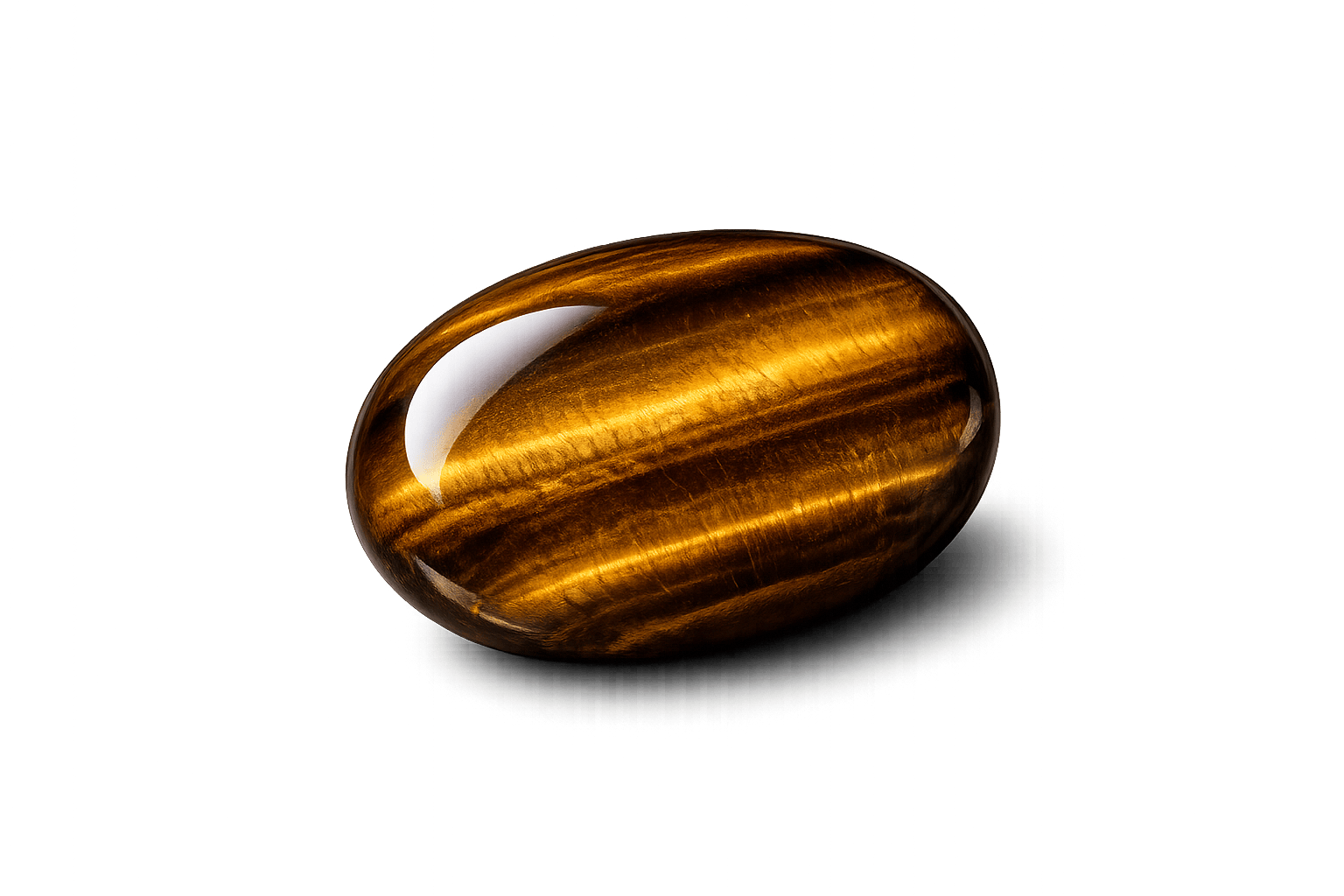
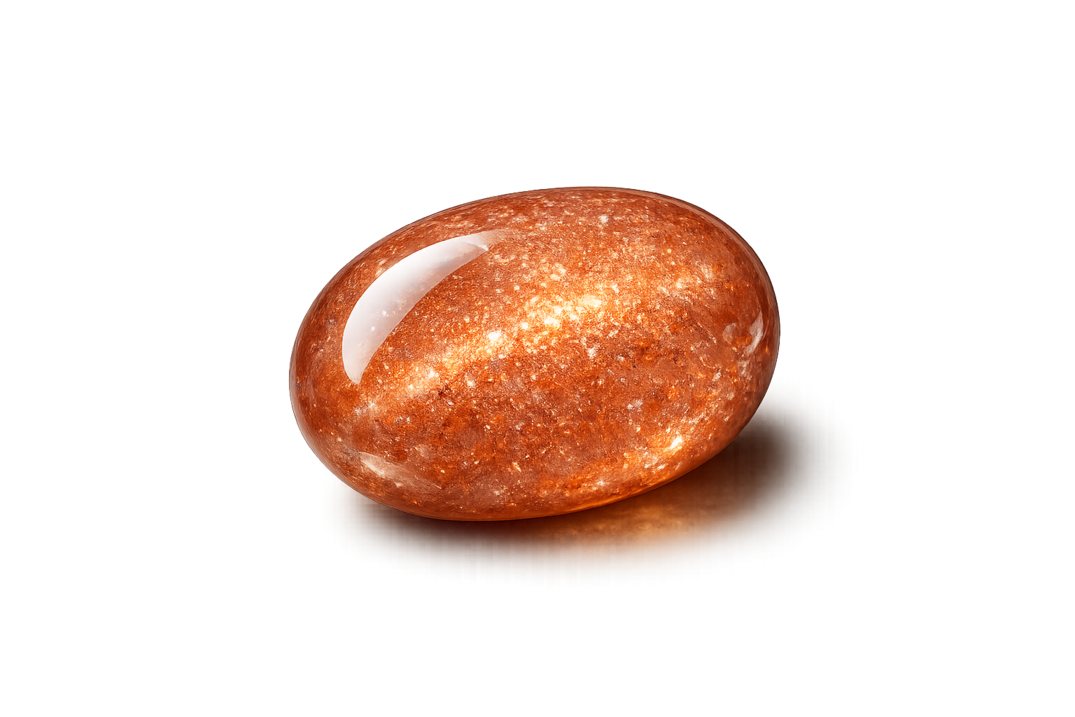
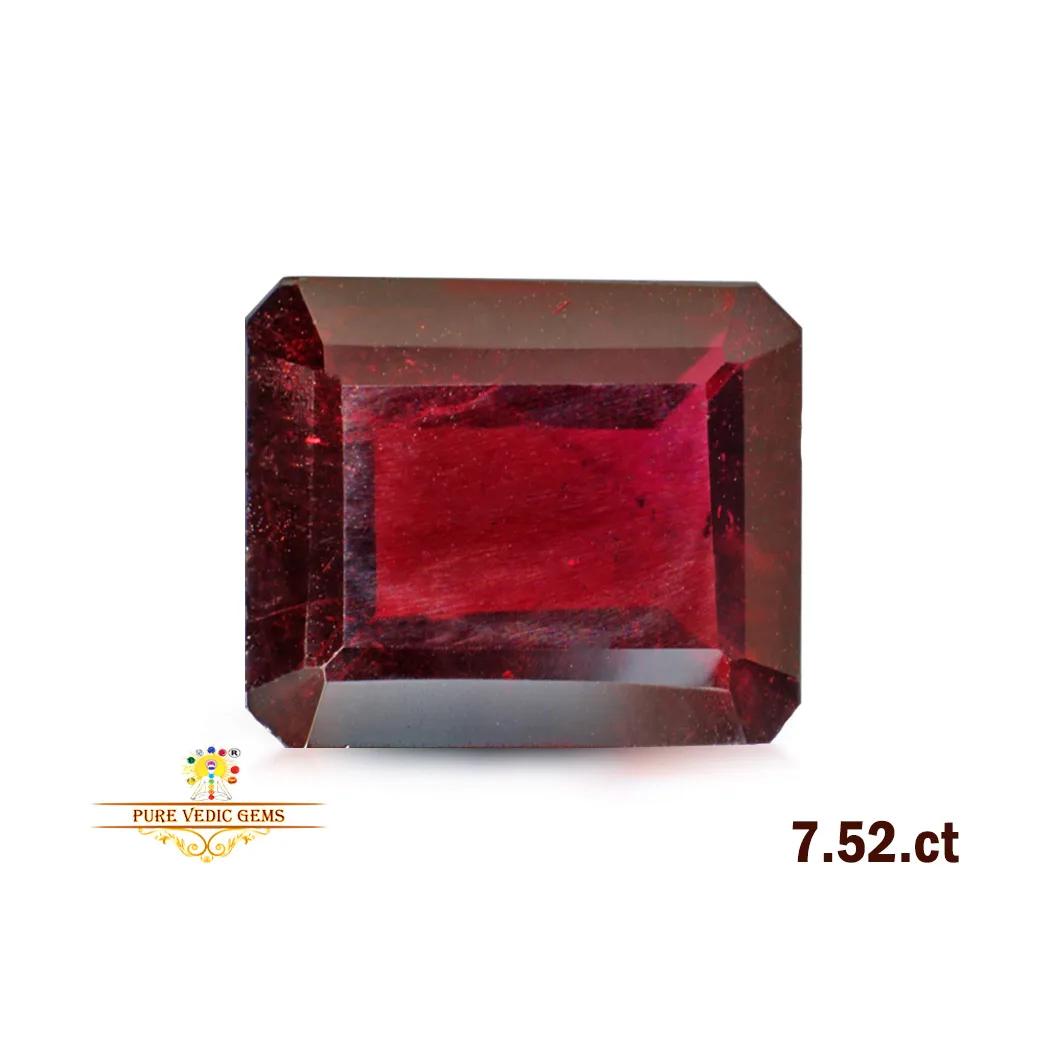
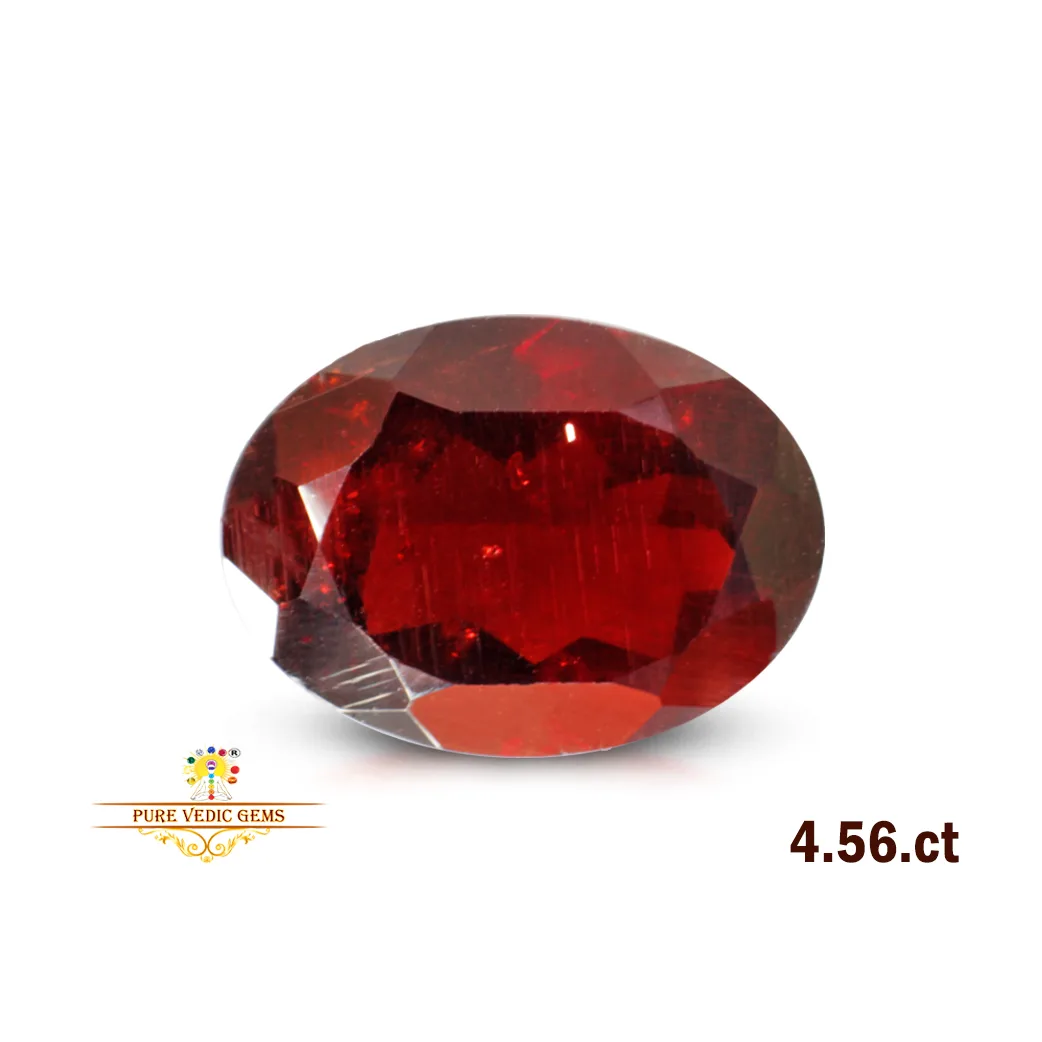
| Sun (Surya) | Ruby (Manik) | Garnet, Sunstone, Tiger's Eye, Red Spinel |
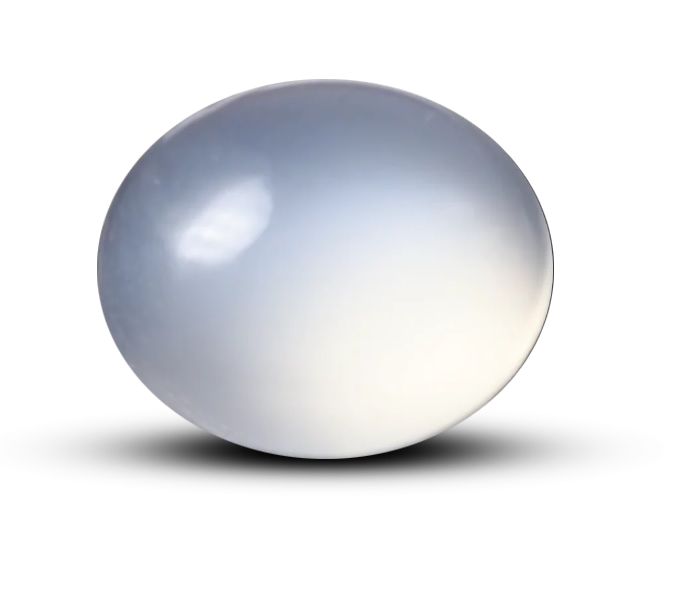
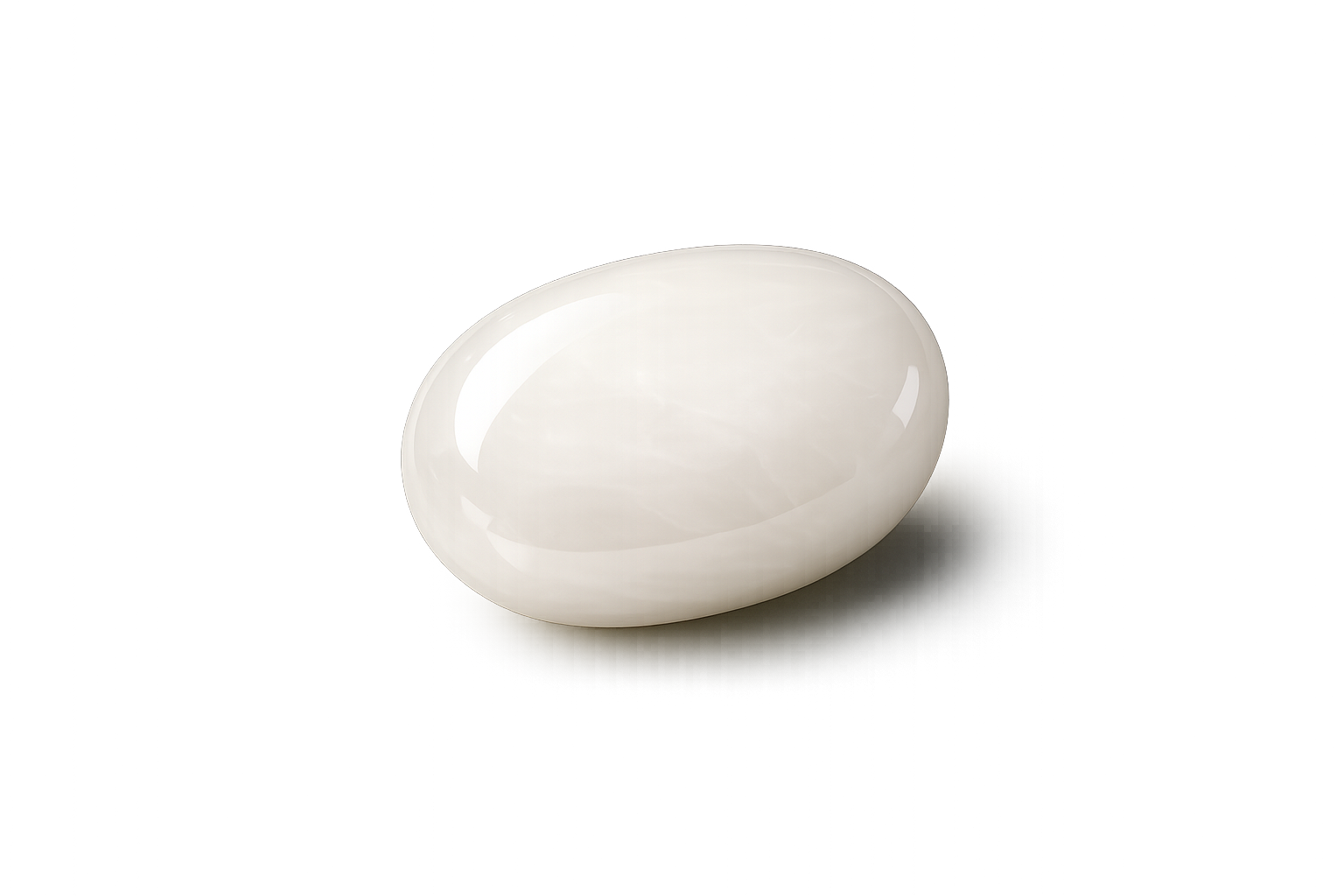
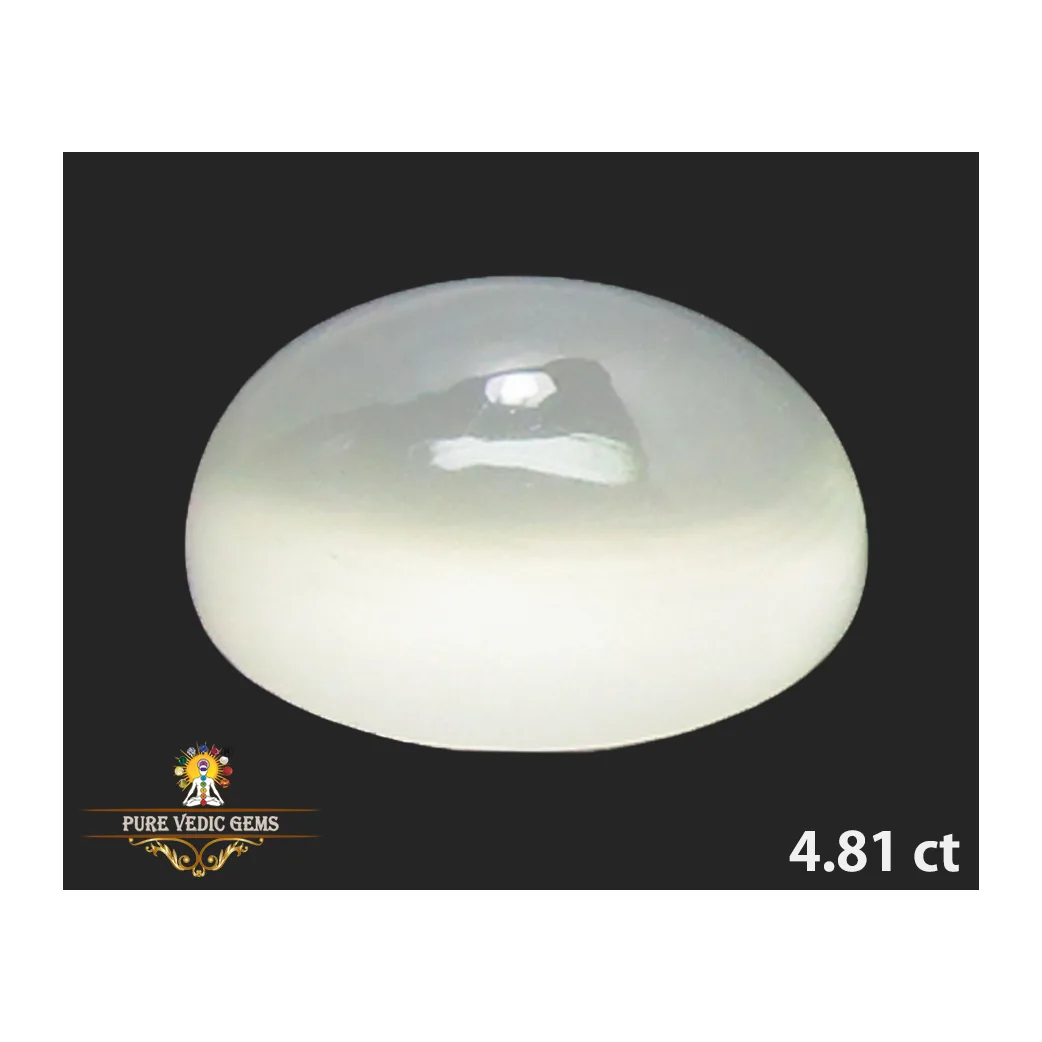
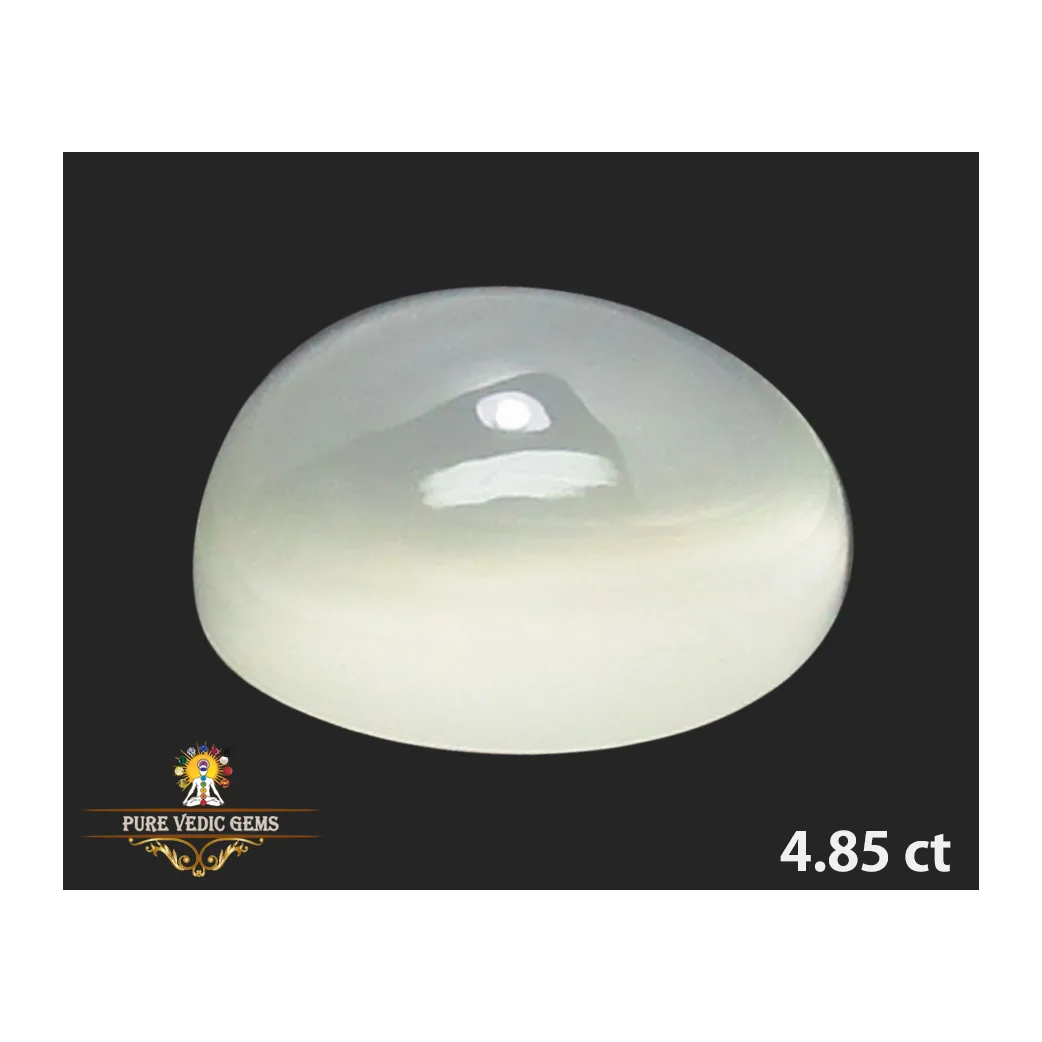
| Moon (Chandra) | Pearl (Moti) | Moonstone, White Coral |
| Mars (Mangal) | Red Coral (Moonga) | Carnelian in our recommendation table — ask at consultation if a Mars upratna is required |
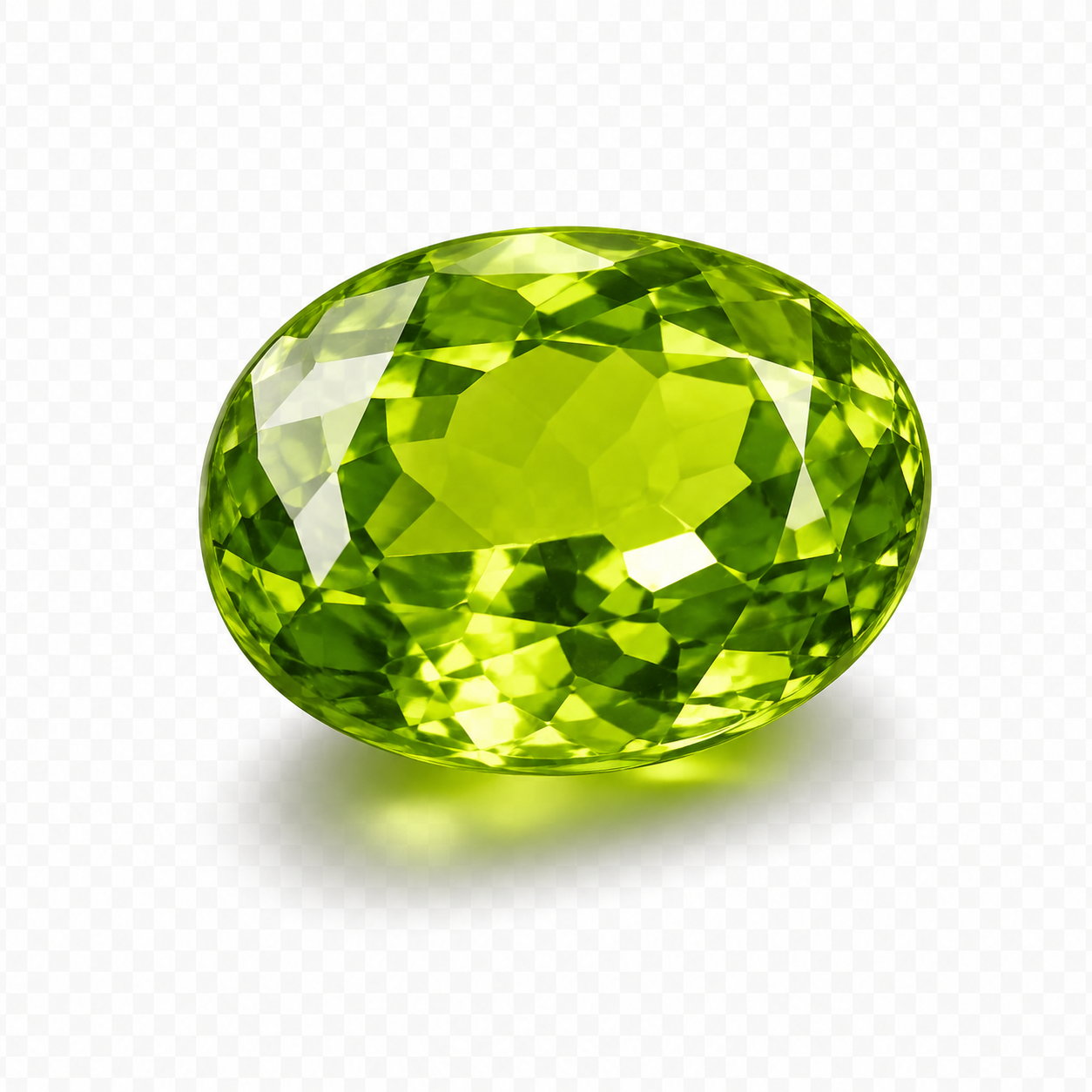
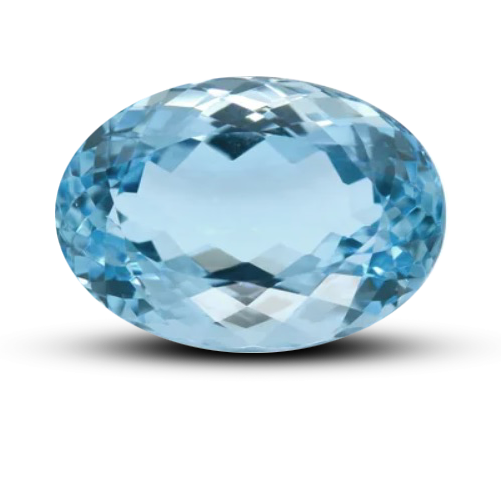
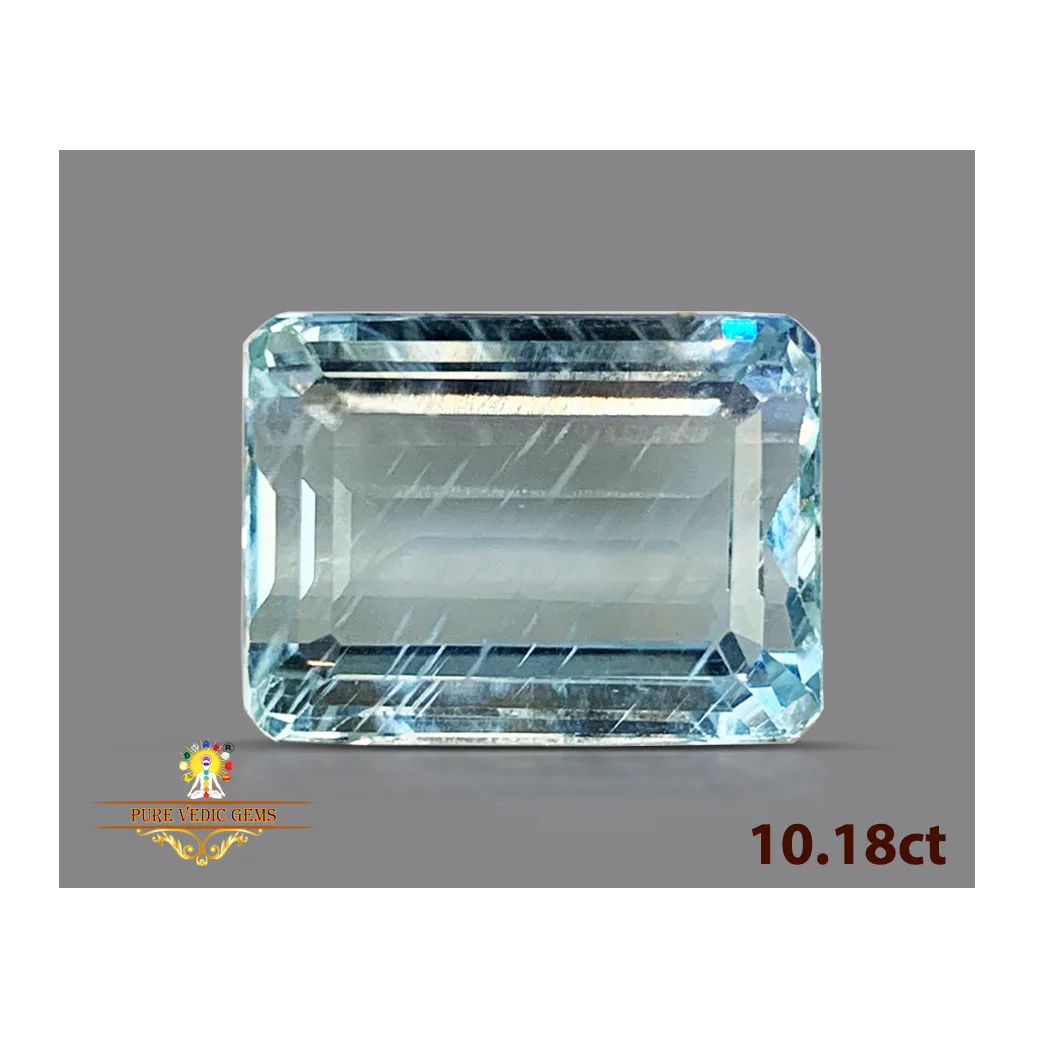
| Mercury (Budh) | Emerald (Panna) | Peridot, Aquamarine, Diopside, Green Tourmaline |
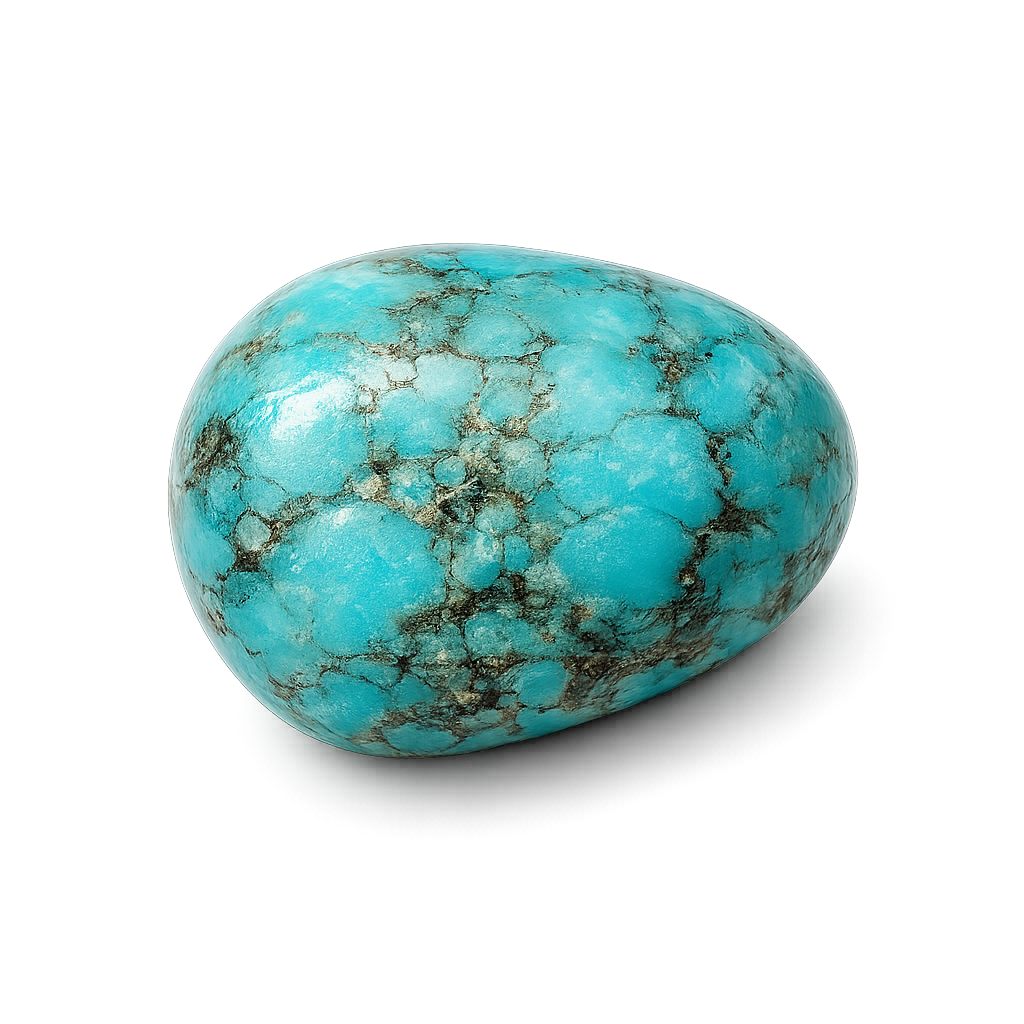
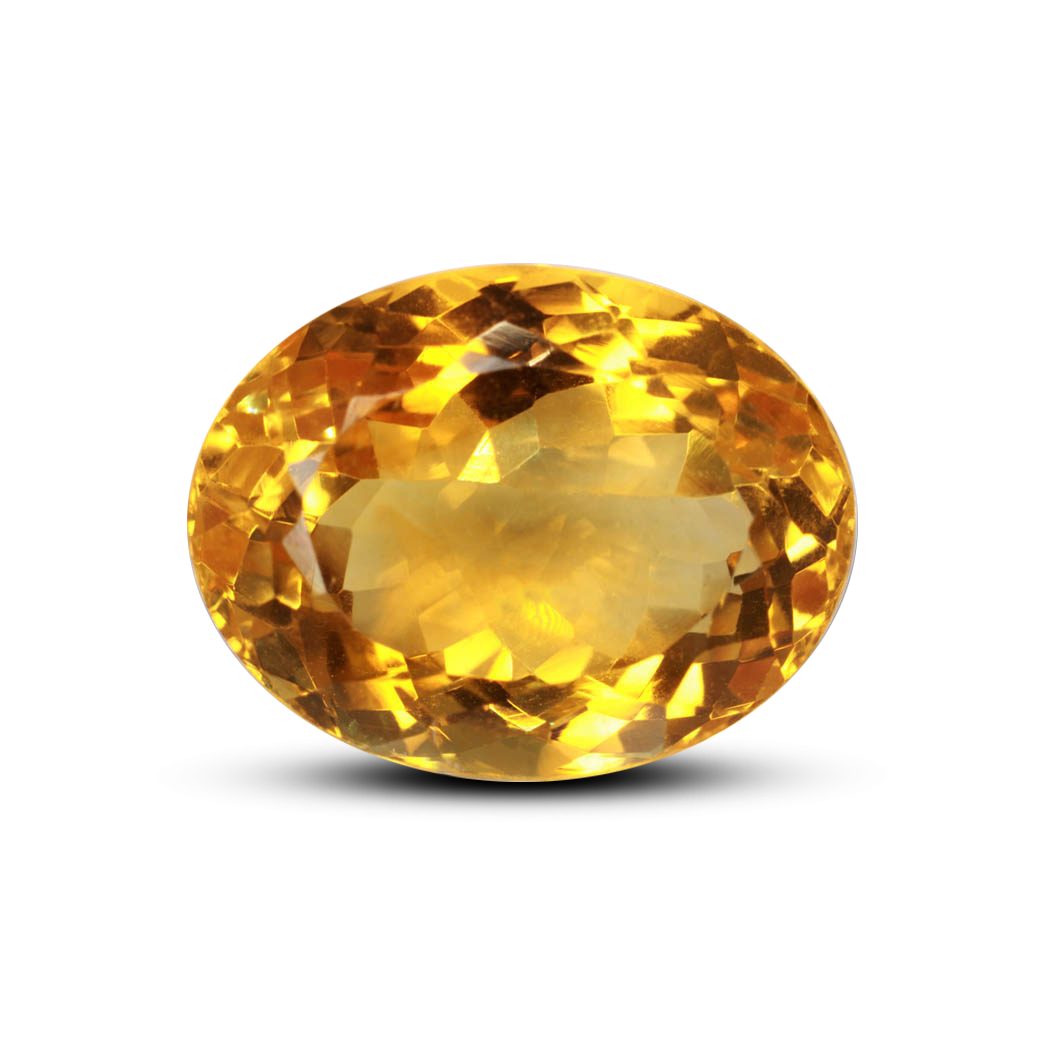
| Jupiter (Guru) | Yellow Sapphire (Pukhraj) | Citrine, Turquoise |
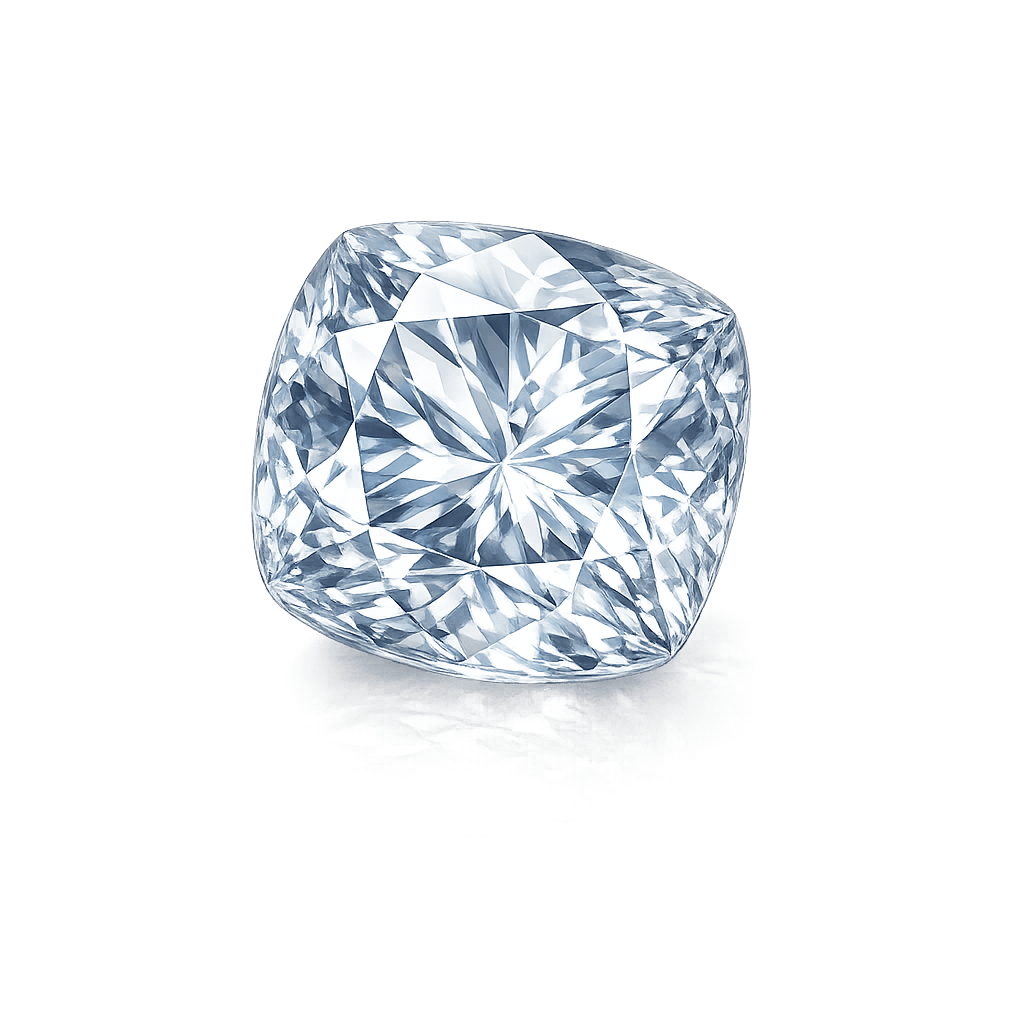
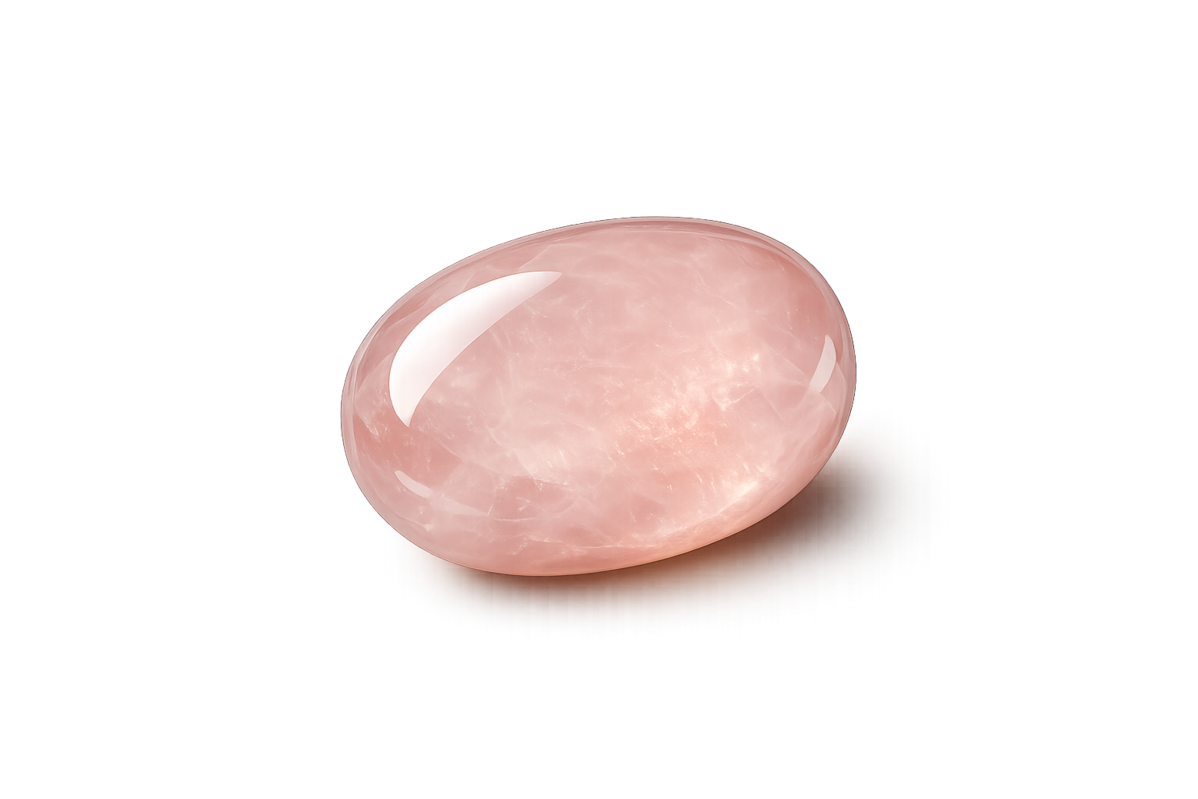
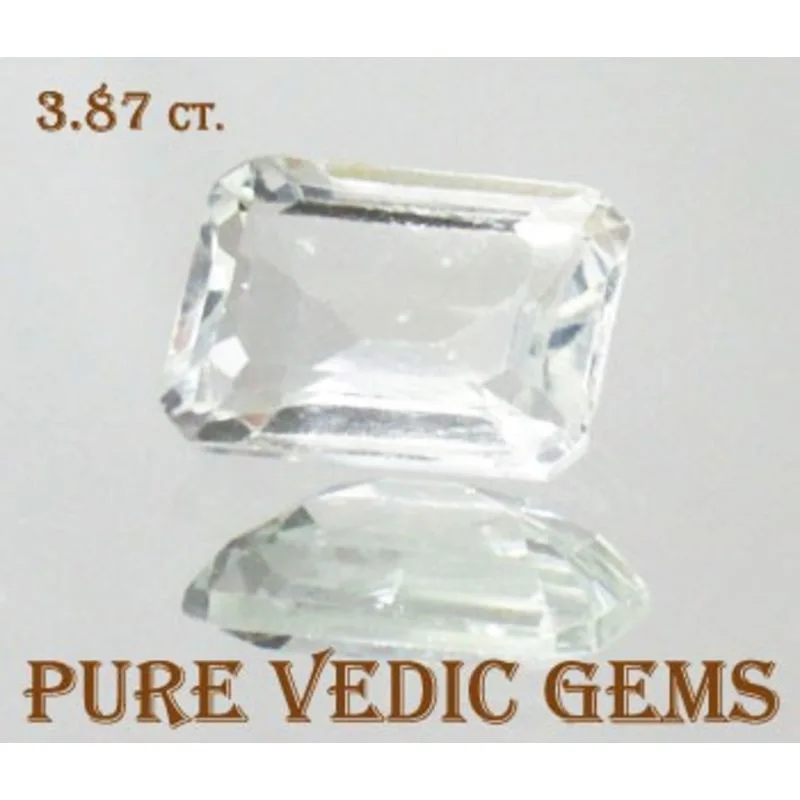
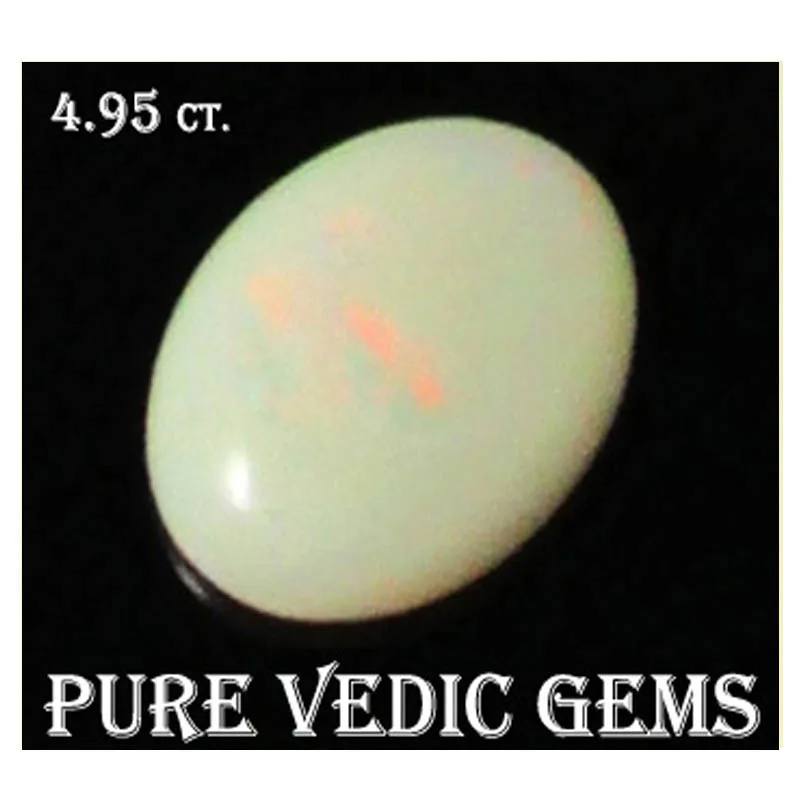
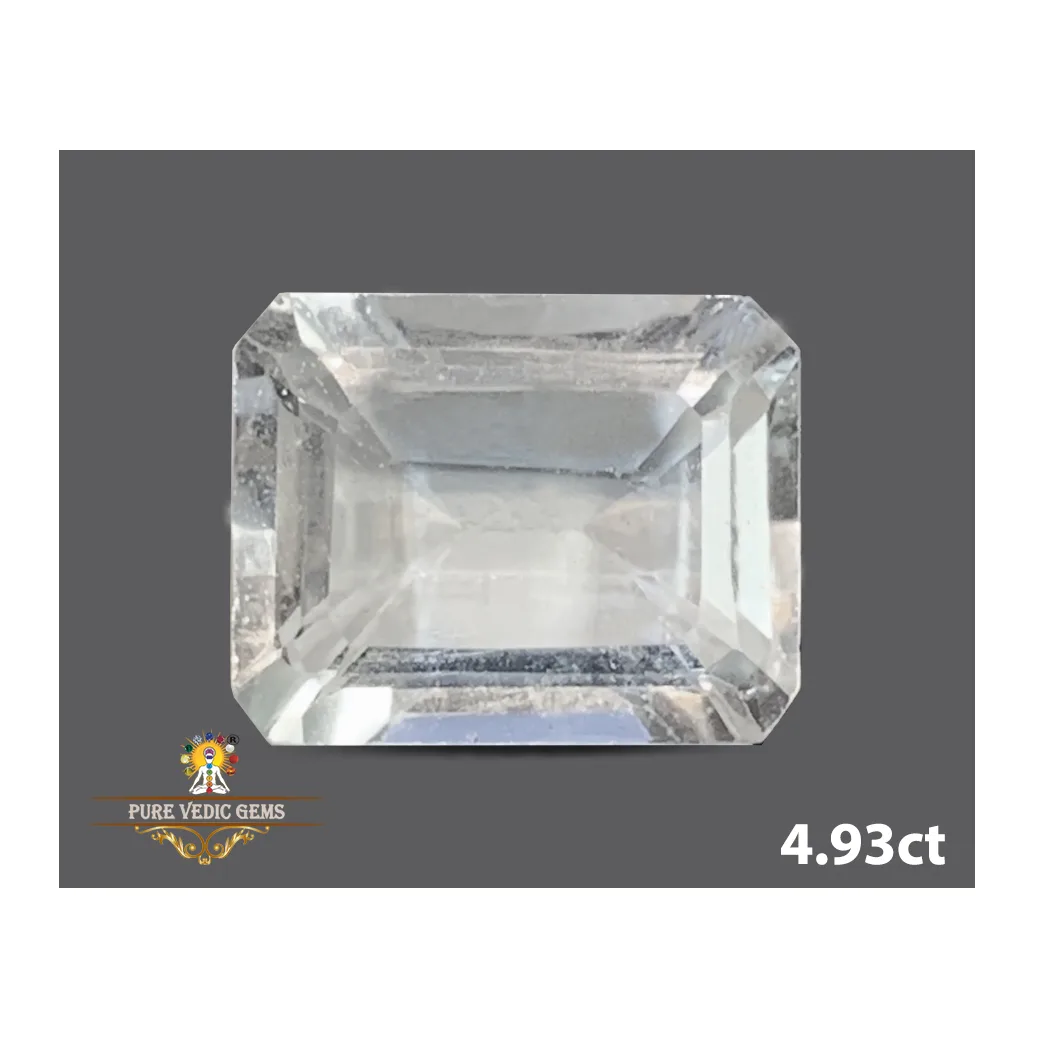
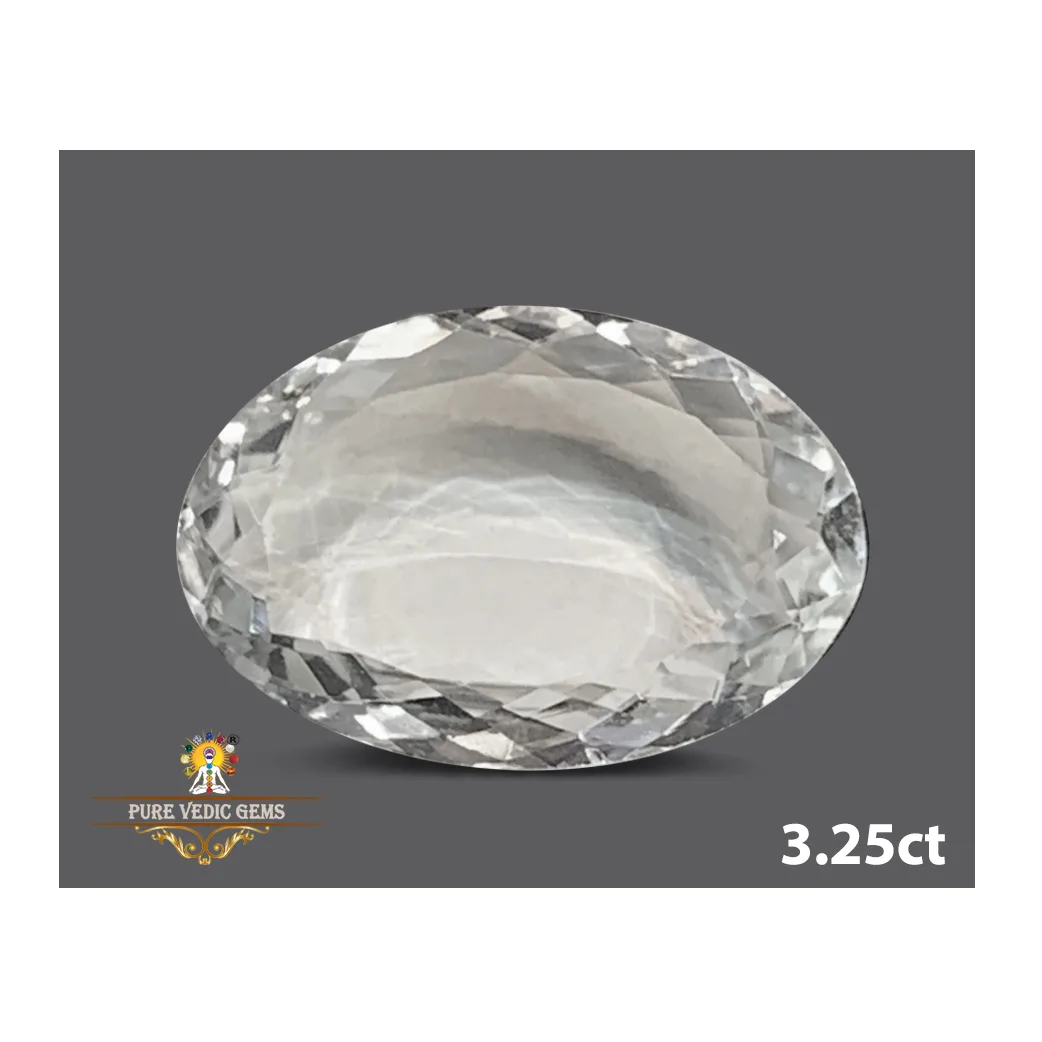
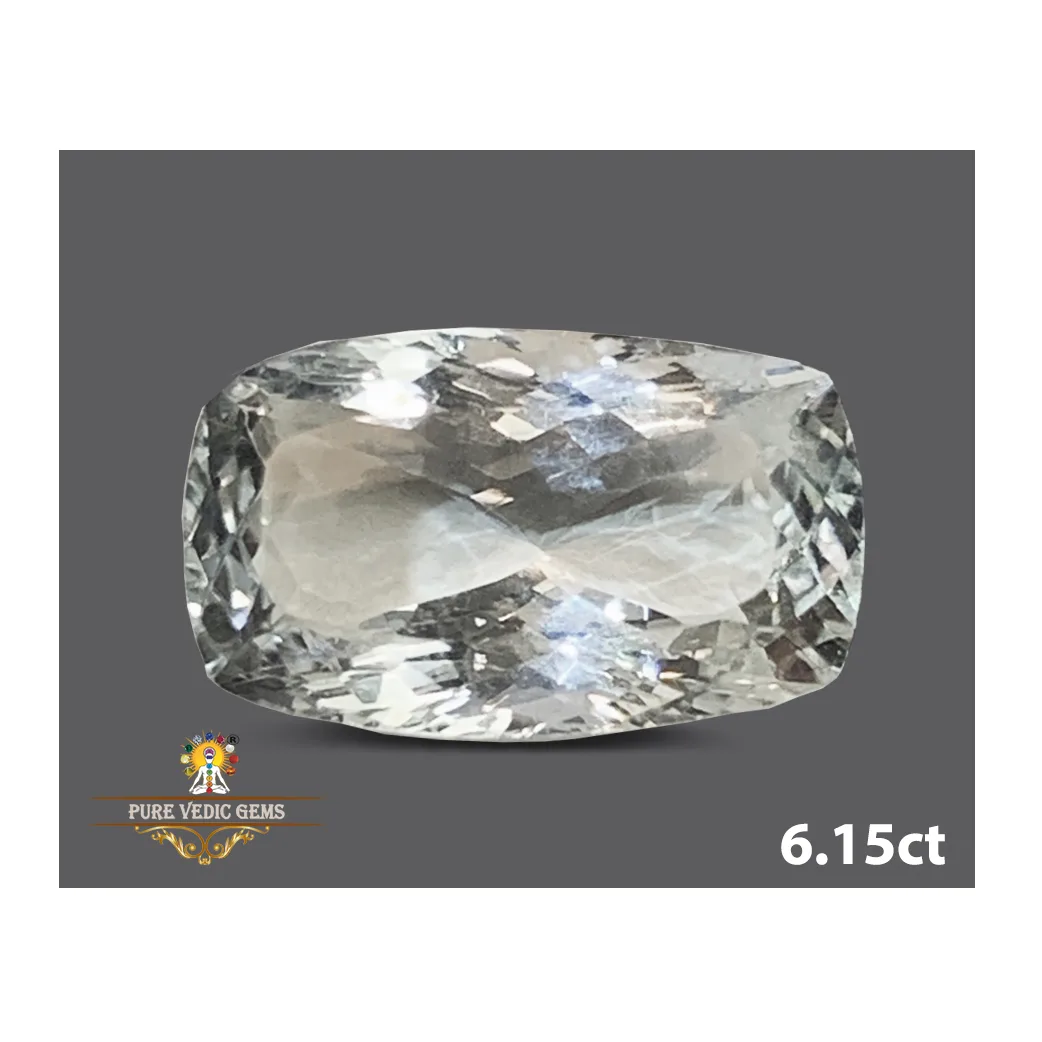
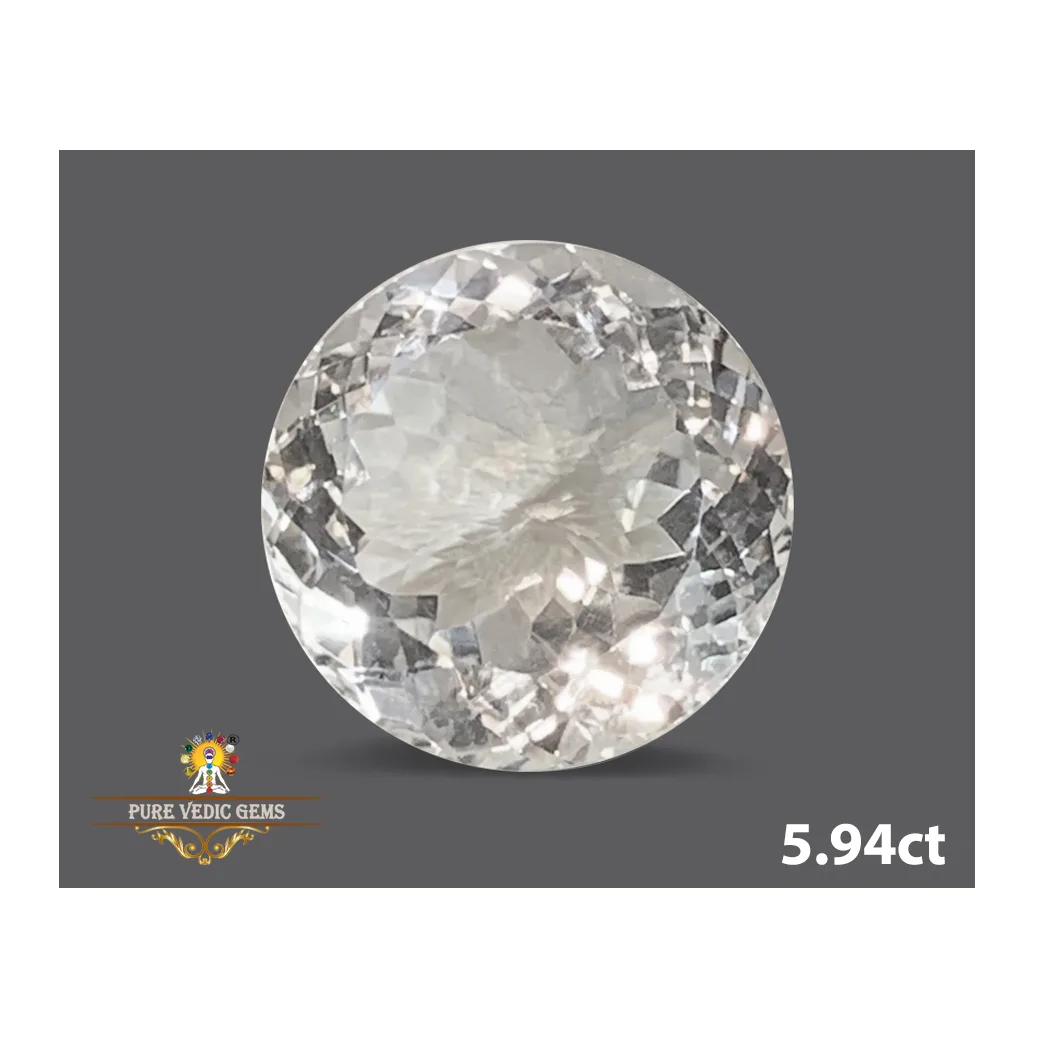
| Venus (Shukra) | Diamond / White Sapphire | Zircon, Opal, White Topaz, Rose Quartz |
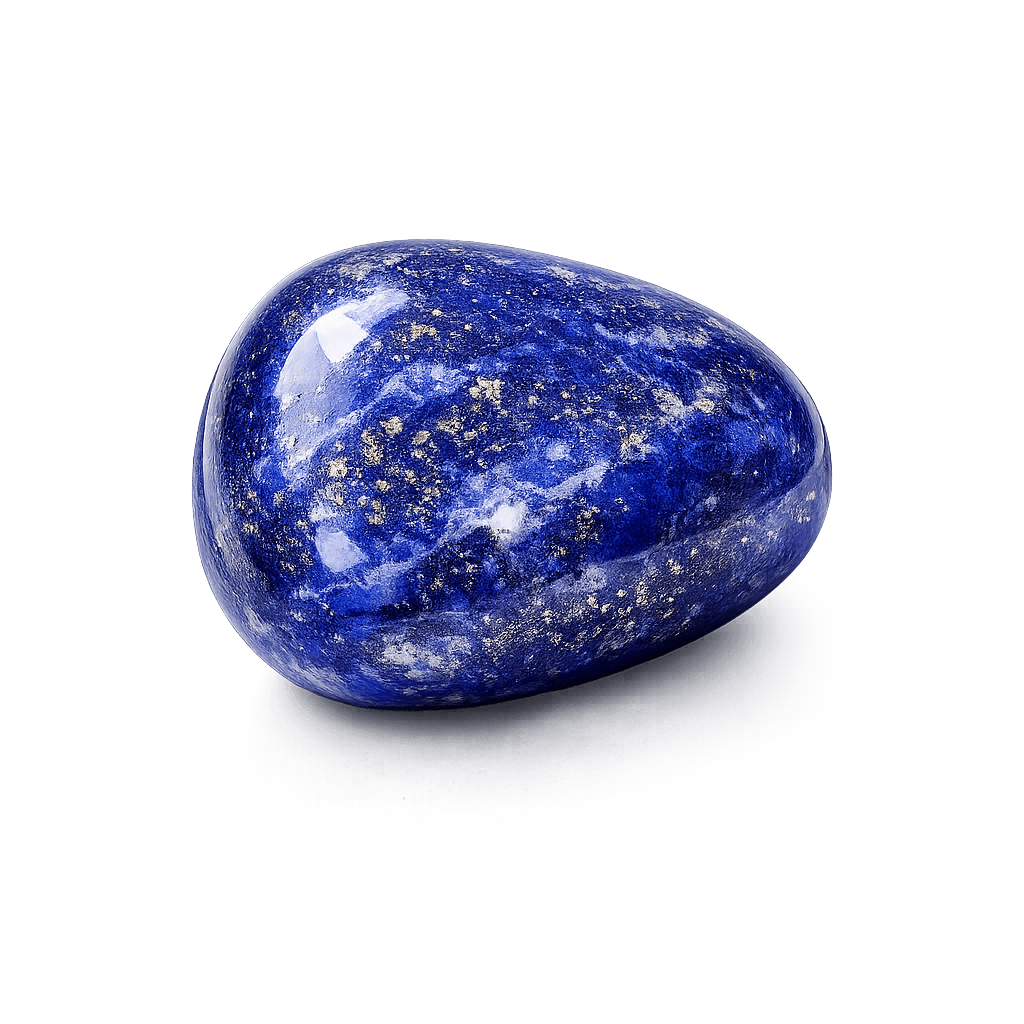
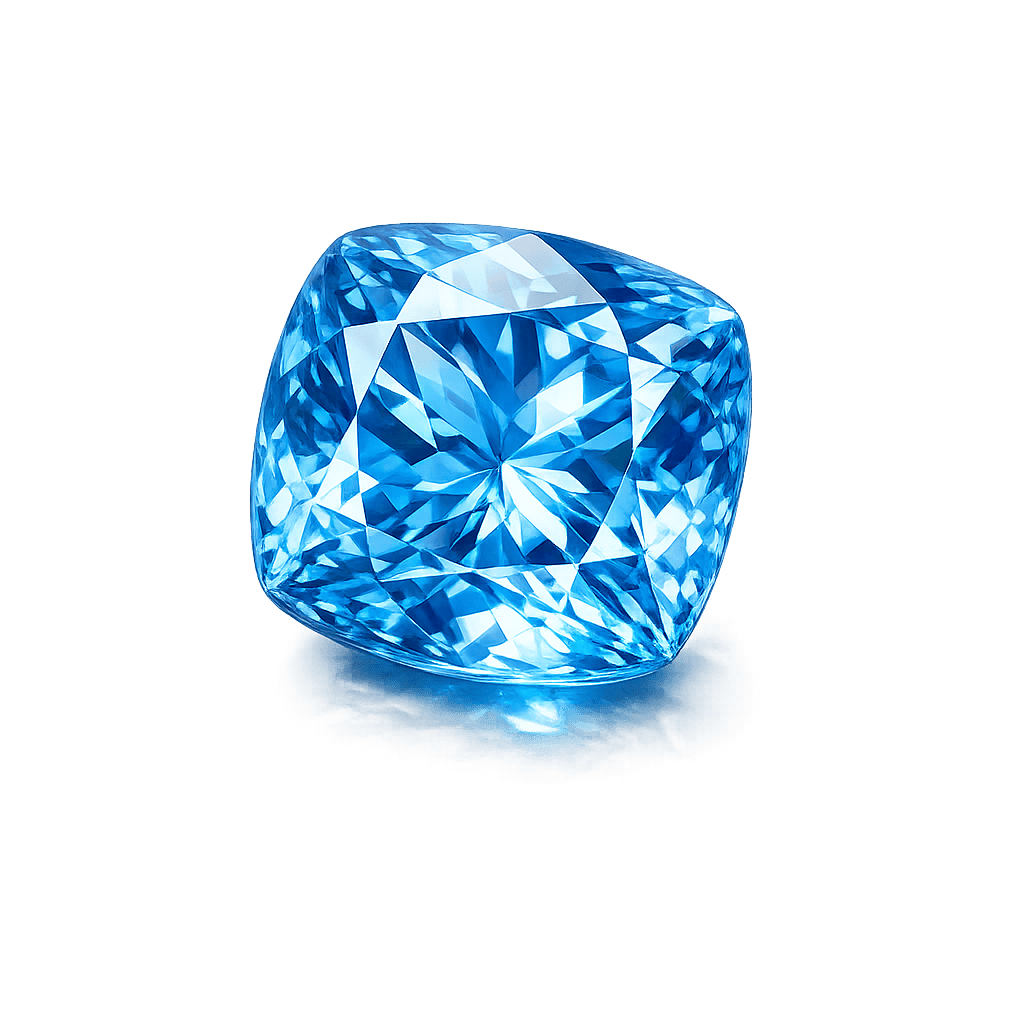
| Saturn (Shani) | Blue Sapphire (Neelam) | Amethyst, Iolite, Lapis Lazuli, Tanzanite, Blue Topaz |
| Rahu | Hessonite (Gomed) | Garnet, Hakik |
| Ketu | Cat's Eye (Lehsuniya) | Chrysoberyl, Tiger's Eye (context-dependent) |
An Upratna is traditionally gentler than the primary ratna of the same graha. That is why Amethyst is used when Neelam is not affordable or not advisable — not because the two stones are interchangeable in every chart. Do not wear an Upratna and its Navaratna together unless an astrologer allows it.
There is no one Sunday / ring-finger rule for every Upratna. Metal, finger, day, and mantra follow the planet of the substitute — the same mapping as the Navaratna it stands for — and the wearing notes on that stone’s shop page.
| First step | Kundli review. Do not self-prescribe an Upratna because it is cheaper than the Navaratna. |
| Setting | Open-back ring or pendant so the stone can touch the skin, as on our Navaratna wearing notes. |
| Purification | Bathe, wear clean clothes, then purify in unboiled cow milk or Ganga jal. |
| Mantra | Use the beej mantra of the ruling graha — listed on each Upratna page — at least 108 times. |
| Time | Wear on the weekday of that planet at the time calculated for you, not a generic hour copied from Ruby. |
| Do not stack | Do not add the primary Navaratna (for example Neelam on top of Amethyst) without explicit approval. |
An Upratna pendant is often the practical add-on when a primary gem already occupies the prescribed finger. Confirm the combination against inimical gems in our Navratnas guide before daily wear.
Wear the Upratna that was named for your lagna, dasha, and house lords. “Anyone can wear semi-precious gems” is jewellery marketing. Gemstone remedies are chart-specific. Always consult a qualified Jyotish astrologer before wearing any stone for planetary purposes.
Use Which Gemstone Should I Wear?, then book our experts. PureVedicGems would rather sell one correct certified Upratna than a tray of colourful stones that fight the chart.
Benefits belong to the planet of the substitute that was prescribed. They are traditional Jyotish associations from our stone pages — not medical or financial promises, and not a reason to wear every Upratna at once.
Garnet, Sunstone, and Tiger's Eye are the Surya-side stones we list. Moonstone and White Coral stand with Chandra. Mars upratna is chart-specific — Carnelian appears in our recommendation table; confirm before you buy a lookalike.
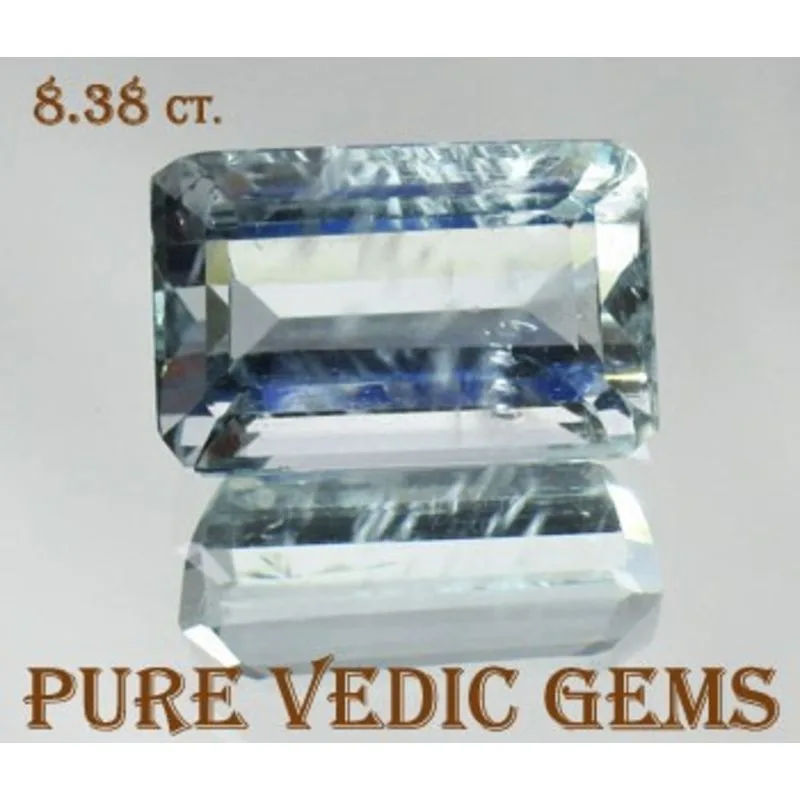
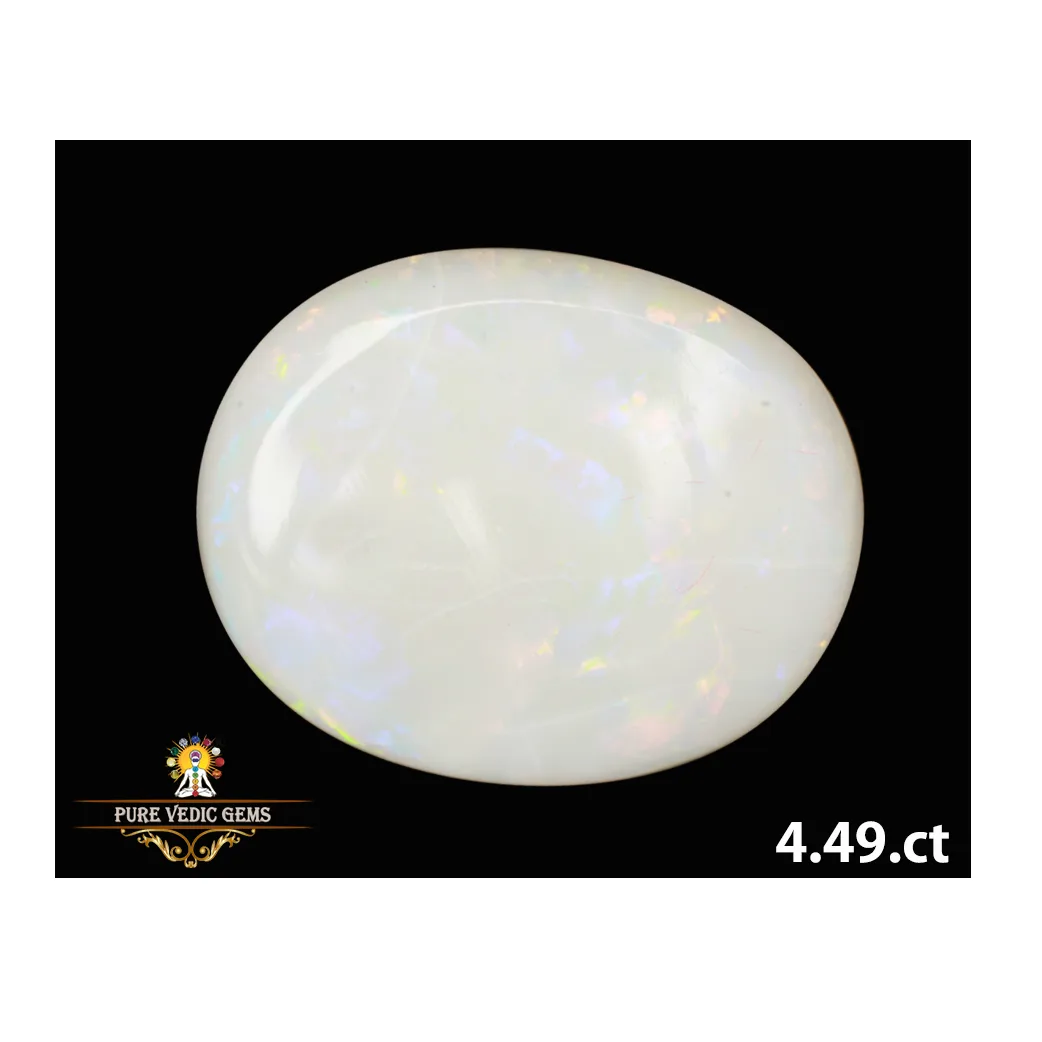
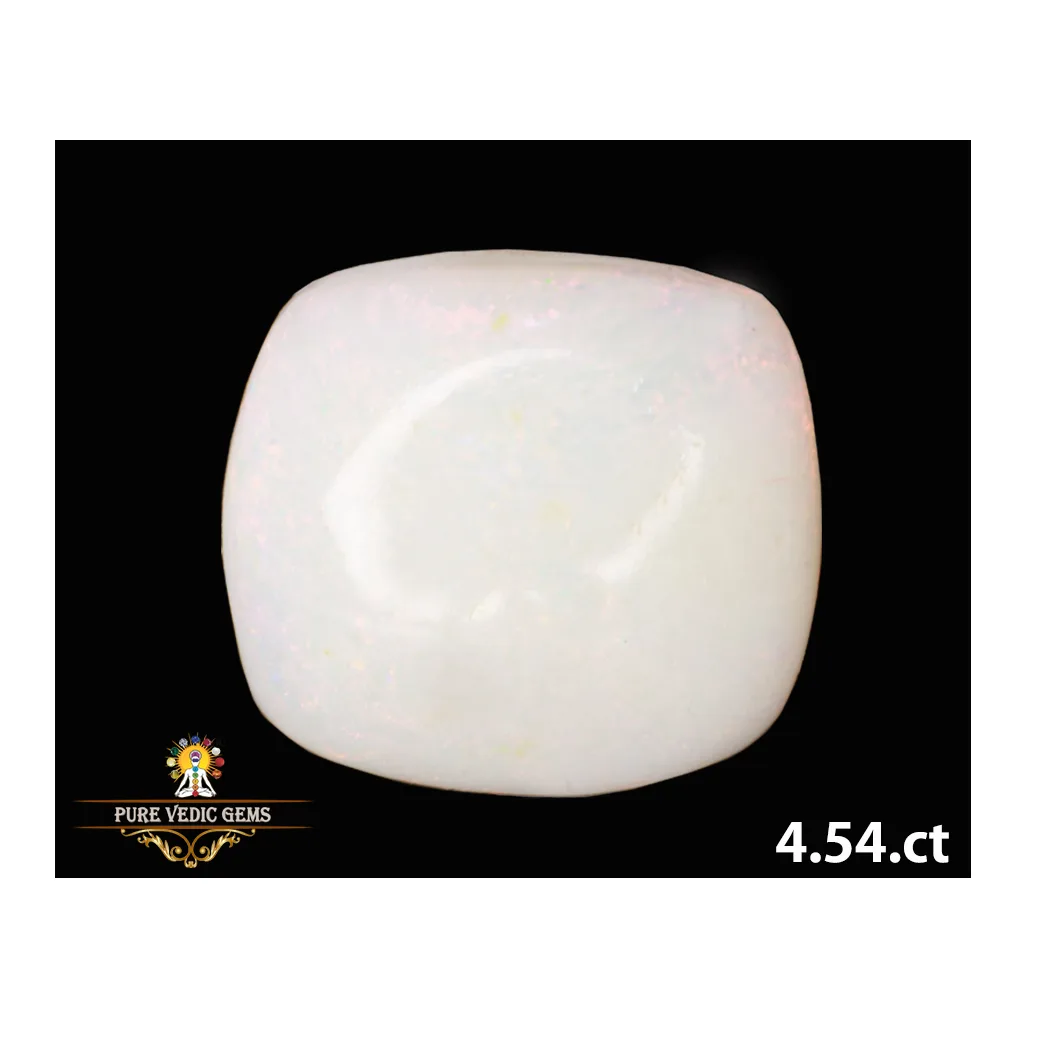
Peridot and Aquamarine are the usual Budh substitutes for Emerald. Citrine is the common Guru stand-in for Pukhraj. For Shukra, Zircon and Opal are the Venus alternates named in our recommendation notes — cubic zirconia is not.
Amethyst and Iolite are the Shani substitutes listed for Neelam. Garnet and Hakik are used for Rahu when Gomed is not indicated. Chrysoberyl and, in some charts, Tiger's Eye are Ketu-side options — both are individual, not casual first stones.
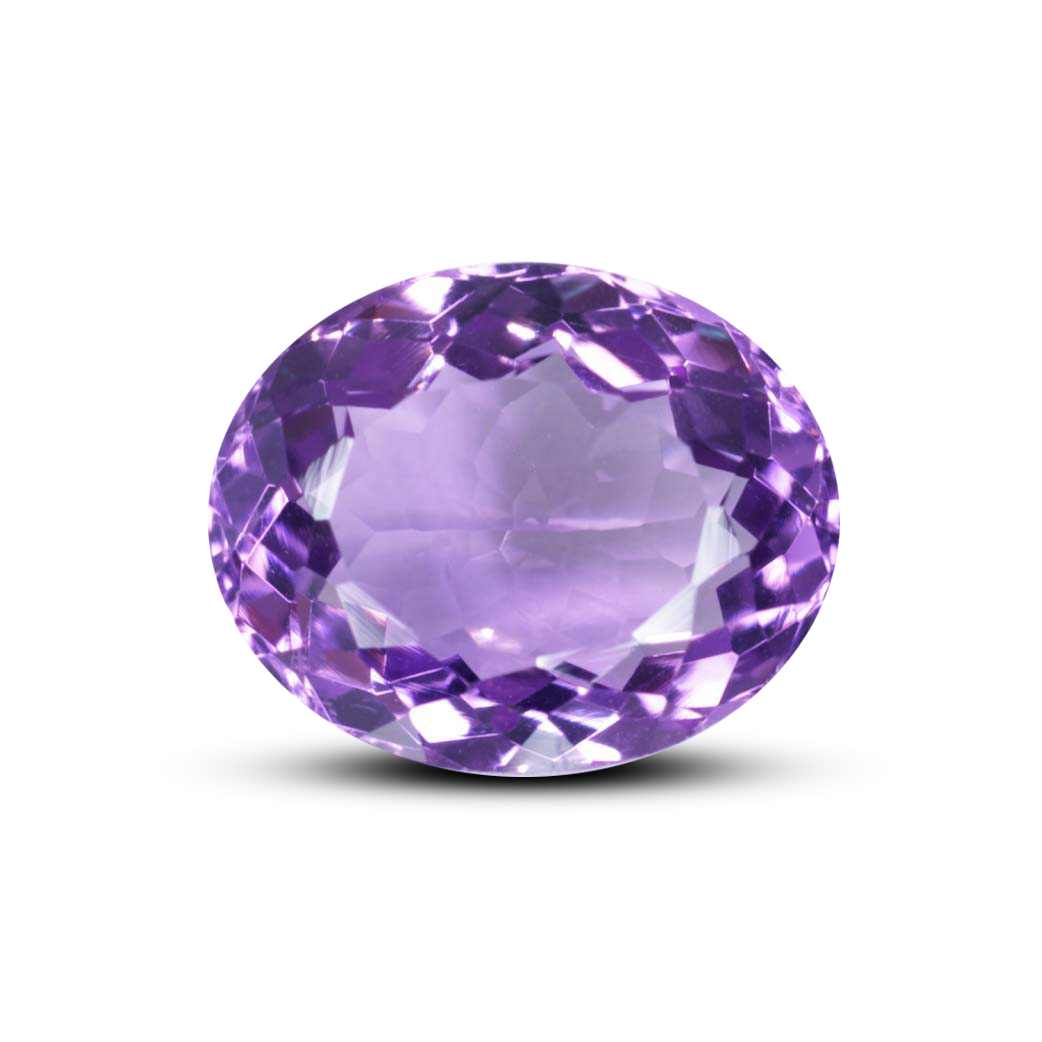
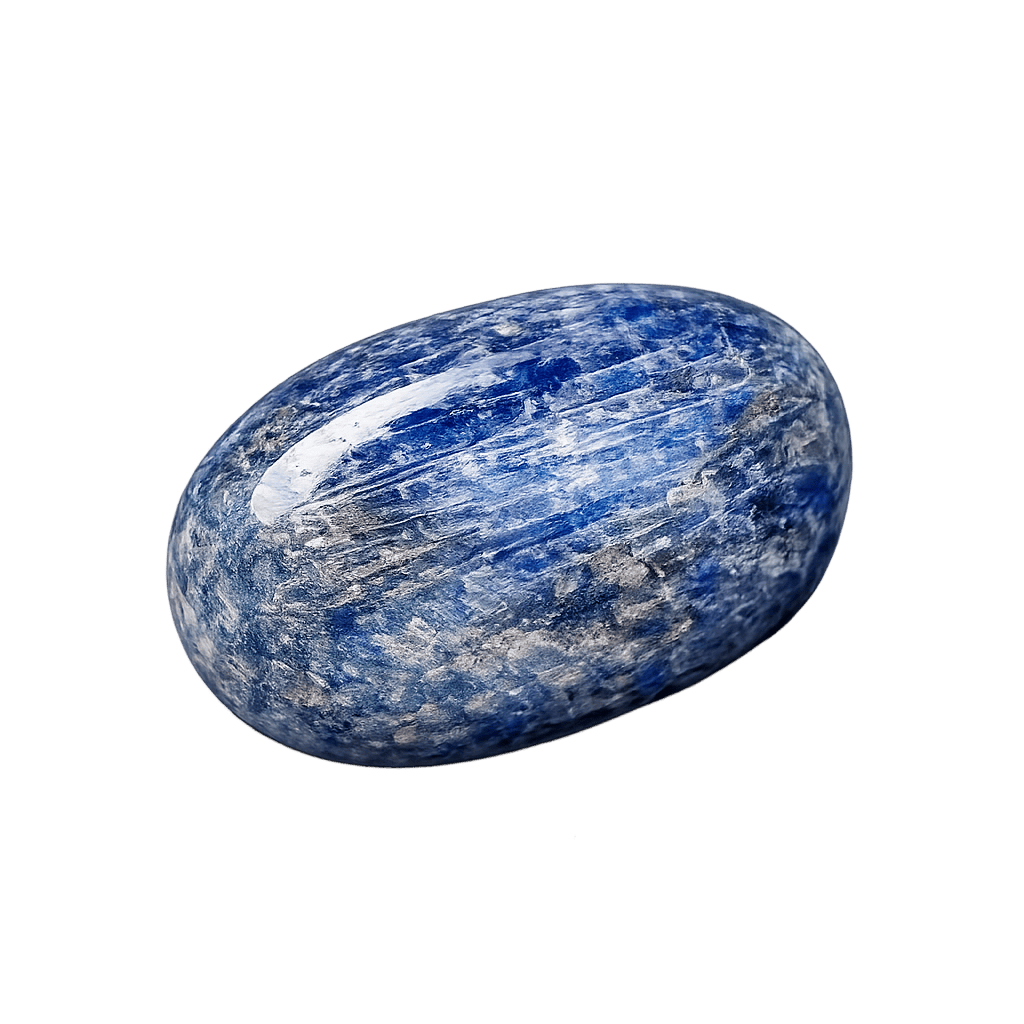
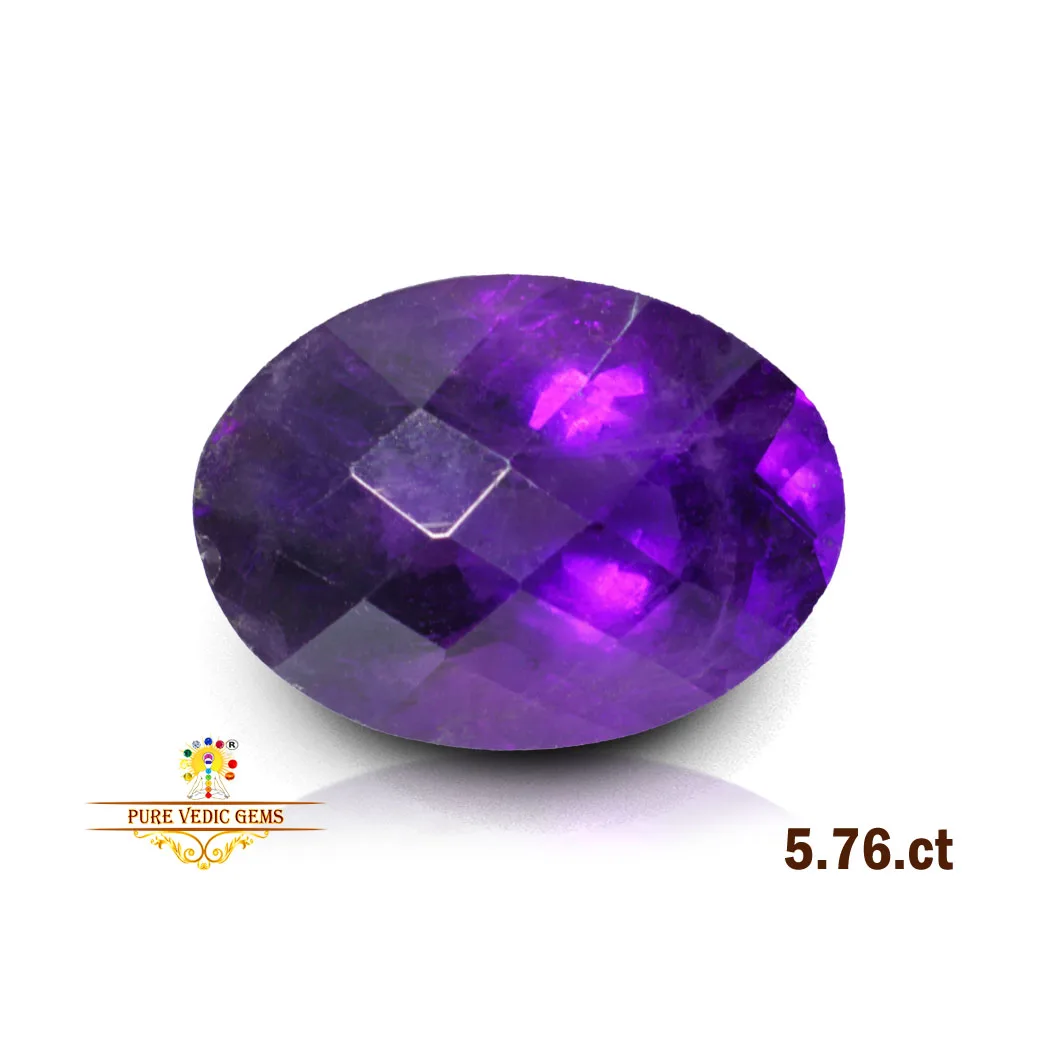
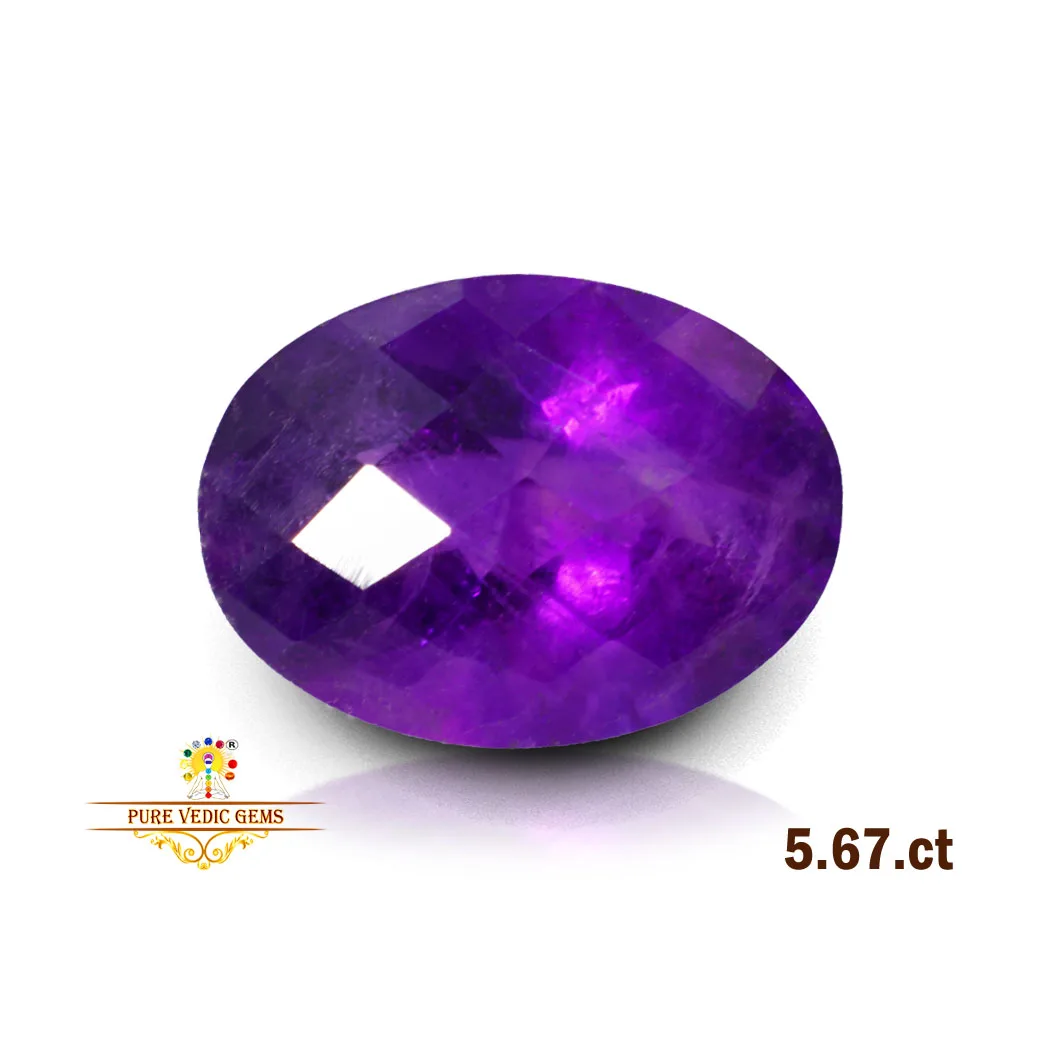
Amethyst (Katela), Iolite (Neeli), Lapis Lazuli, Tanzanite, Blue Topaz, and Kyanite. Amethyst is the usual first Upratna when Neelam is paused.
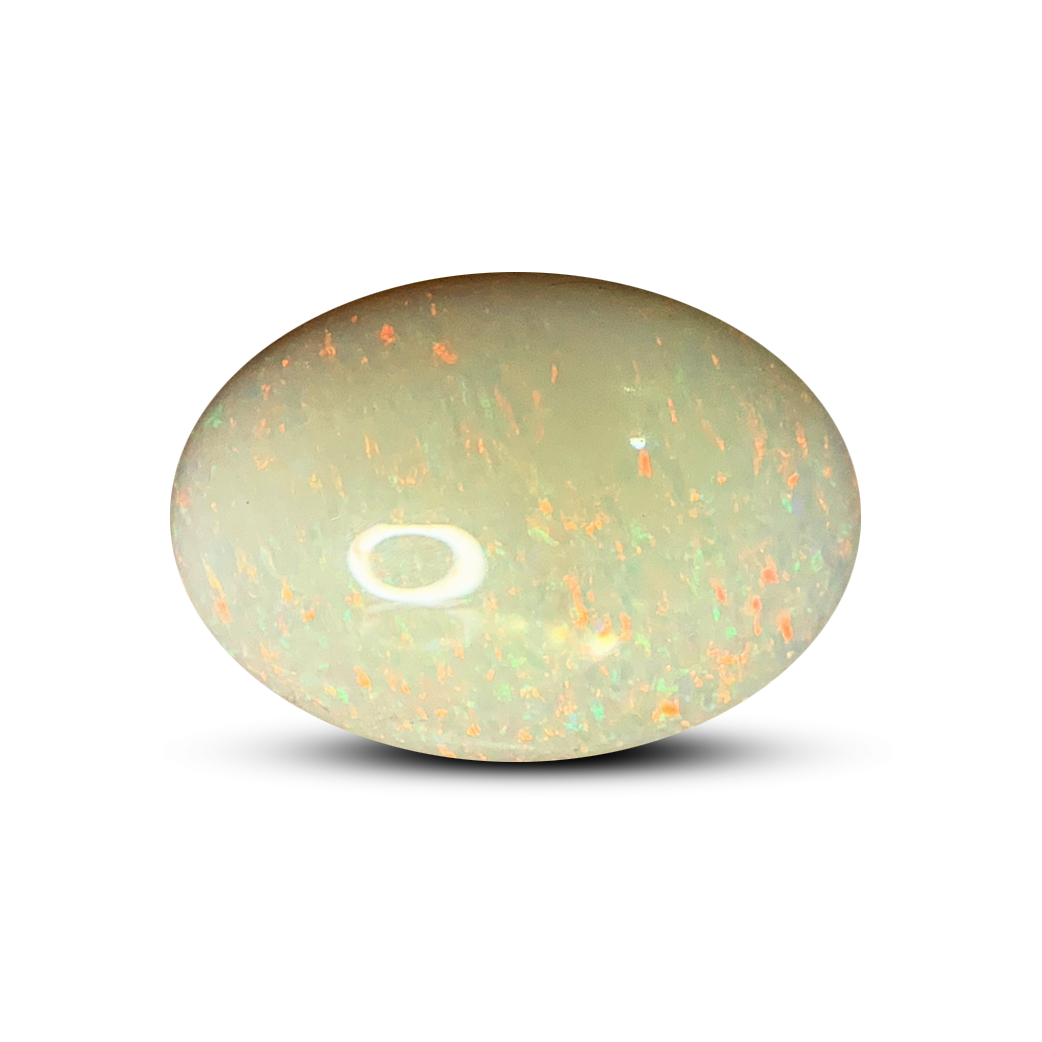
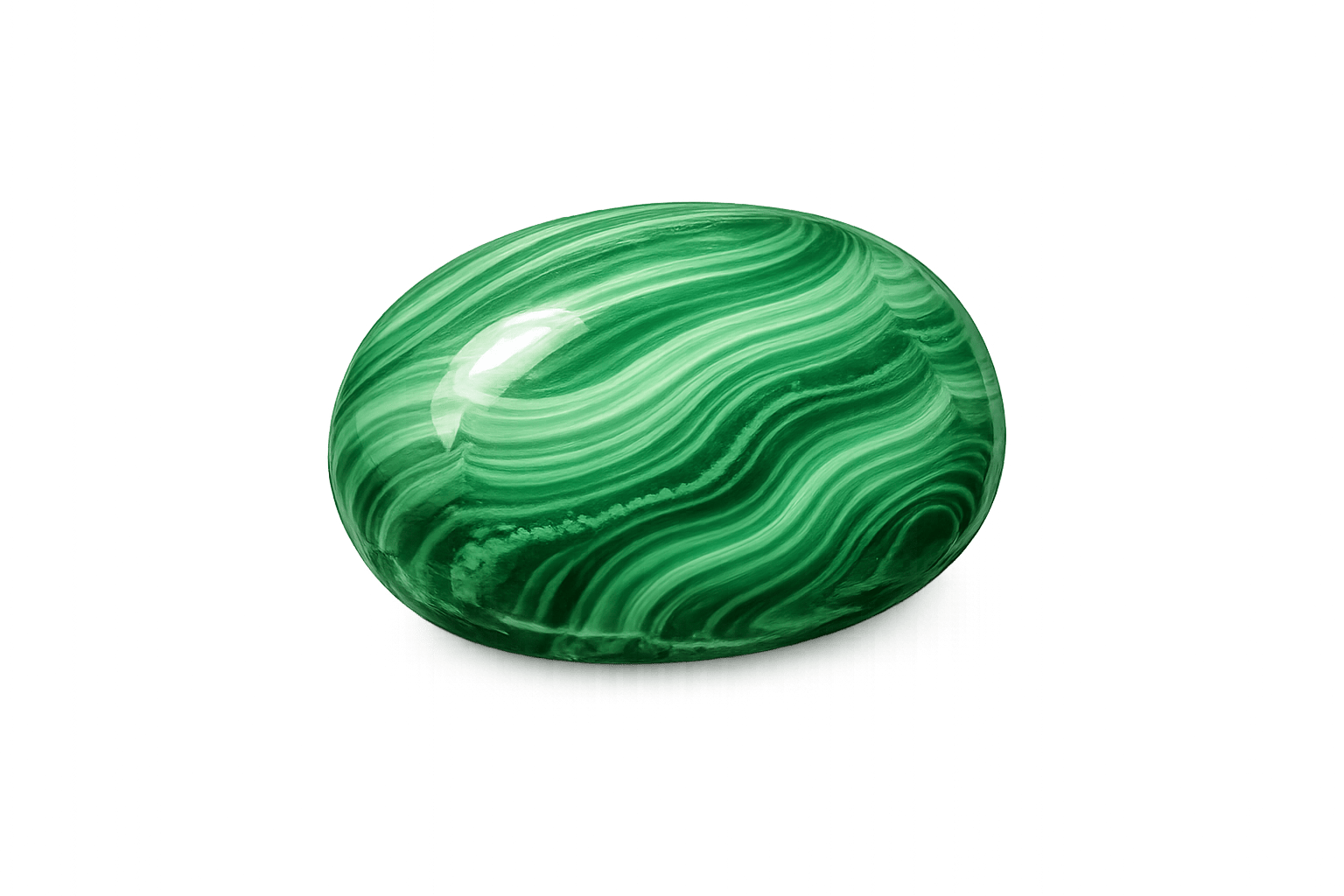
Zircon (Jarkan), Opal, White Topaz, Rose Quartz, and Malachite. Natural zircon is a listed Venus alternate; cubic zirconia is a lookalike with no Jyotish place.
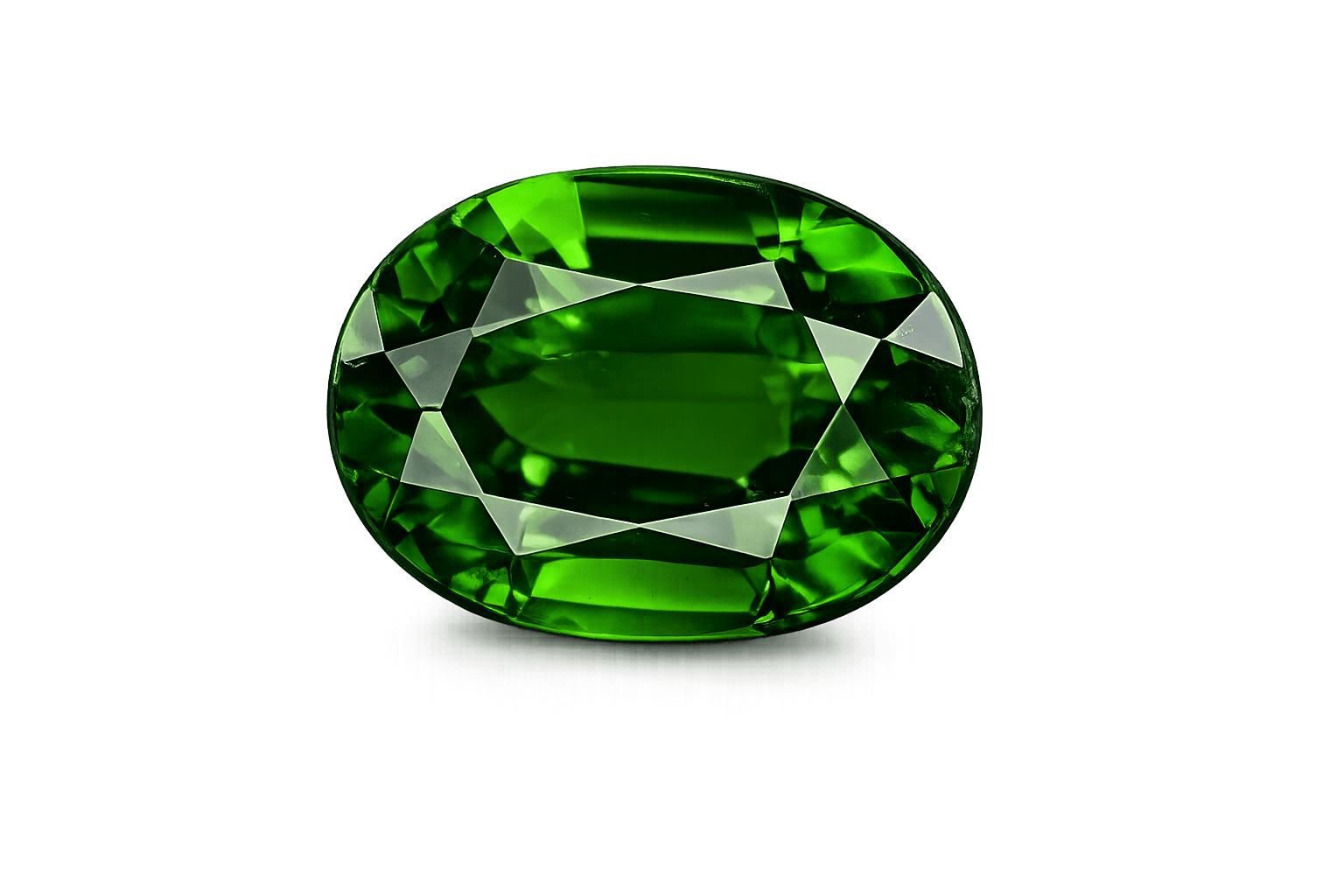
Citrine and Turquoise for Guru. Peridot, Aquamarine, Diopside, and Tourmaline for Budh. Moonstone for Chandra. Garnet for Surya or Rahu depending on the notes. Spinel is colour-mapped — red is not automatically a Ruby substitute.
Price follows the mineral, colour, clarity, size, and treatment status of that Upratna — not a single “semi-precious MRP.” Live cards in the collection below are the quote.
Fine amethyst, zircon, and tanzanite are priced by quality like any gem. A suspiciously cheap “Neelam substitute” is usually glass. Compare the collection rather than an invented price band.
PureVedicGems sets prescribed Upratna gems in open-back rings and pendants, in silver, gold, or Panchdhatu as advised for that planet. Finger, metal, and whether you already wear a Navaratna should be confirmed before making.
The same ray-transmission rule as Navaratna: the pavilion should be open to the skin. Closed cups hide treatments and block contact.
Inspect colour in daylight at our Saket, New Delhi showroom, or buy certified stones online with insured shipping. Custom jewellery is made after the gems are approved.
Upratna jewellery mixes hard quartz and spinel with soft opal, turquoise, and moonstone. Our gemstone care guide is the rule: clean as if the weakest stone governs the piece.
Apply perfume and hairspray before the jewellery goes on. Store so harder gems cannot rub opal, turquoise, or moonstone.
Cheap “original Upratna” listings usually fail on disclosure. Read our treatments guide before you pay.
Upratna are secondary Vedic gems used as planetary substitutes for the nine Navaratna — for example Amethyst for Blue Sapphire, Citrine for Yellow Sapphire, or natural Zircon for Diamond. They still require chart analysis.
No. Navaratna are the nine primary ratnas. Upratna are traditionally gentler substitutes of the same graha, used when the primary stone is unsuitable, too strong, or not affordable. They are not interchangeable in every chart.
There is no single MRP. Price follows the mineral, quality, size, and treatment status. Use the live collection on this page. A listing cheaper than decent quartz is usually glass or dye.
Only if an astrologer has named that substitute for your chart. Amethyst for Neelam is a common example when Blue Sapphire is paused. Do not swap colours on your own.
Generally not with the primary stone of the same planet, and not with inimical gems, unless a learned astrologer allows it. Confirm before stacking Amethyst with Neelam or Zircon with Diamond.
After chart review, use an open-back setting, purify in unboiled cow milk or Ganga jal, chant the graha mantra 108 times, and wear on the weekday of that planet at the time calculated for you. Metal and finger follow the stone’s page and the astrologer.
Amethyst (Katela / Jamunia) is the usual Shani substitute on this site. Iolite, Lapis Lazuli, Tanzanite, and Blue Topaz are also listed as Saturn-side Upratna — suitability is chart-specific.
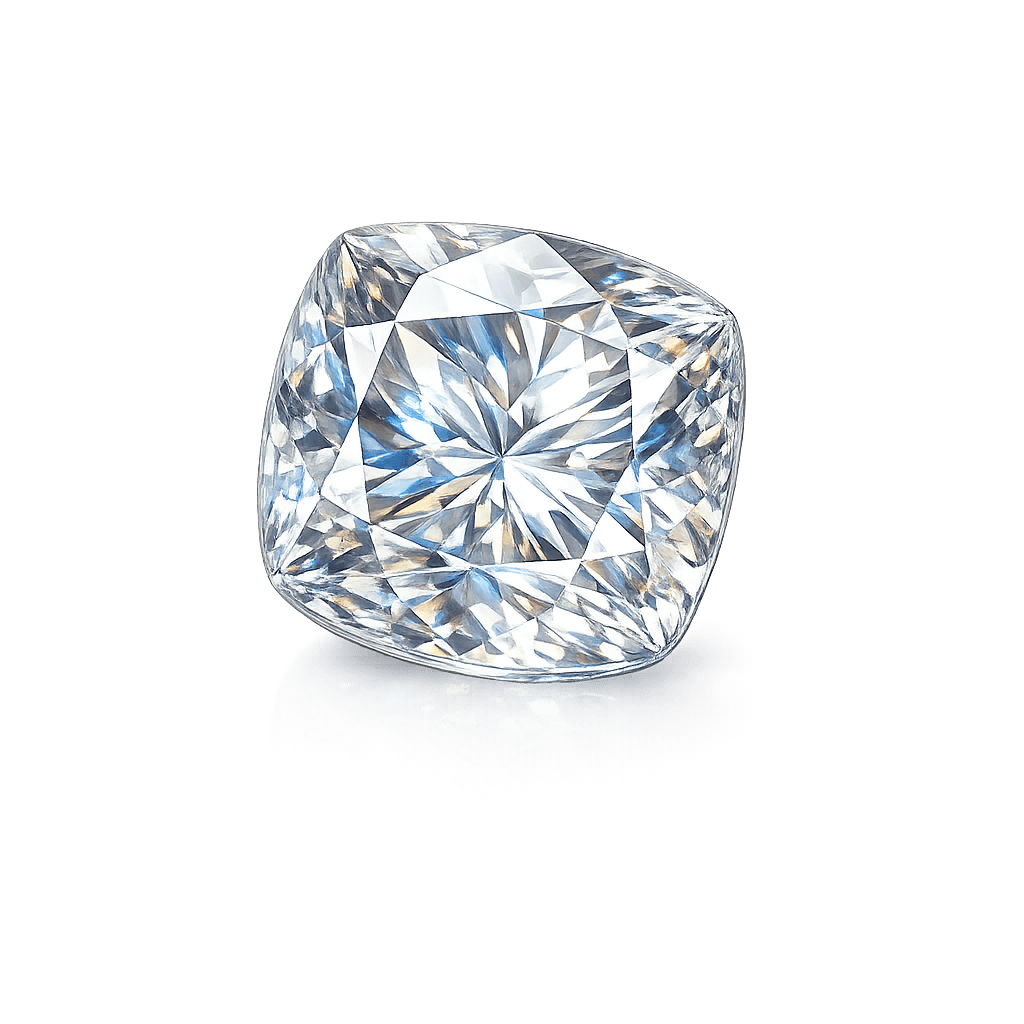
Natural zircon is a listed Venus alternate in our recommendation notes. White sapphire is the traditional Jyotish substitute for diamond. Cubic zirconia is not an astrological gem.
Listings include transparent certification and treatment disclosure where applicable. Ask for the mineral name on the report, not a paper that only says Upratna.
Yes. PureVedicGems ships certified Upratna gems and jewellery across India with insured delivery, and you can view pieces in our Delhi showroom. International shipping is available on request for listed in-stock stones.