 +91-9310172512
 +44-7831491778
 +971-526686526
Curating certified treasures
India UK UAE
+91-9310172512+44-7831491778+971-526686526 India UK UAE+91-9310172512+44-7831491778+971-526686526 India UK UAE
Curating certified treasures
Navaratna (Navratna) are the nine primary Vedic gems — one ratna for each graha.
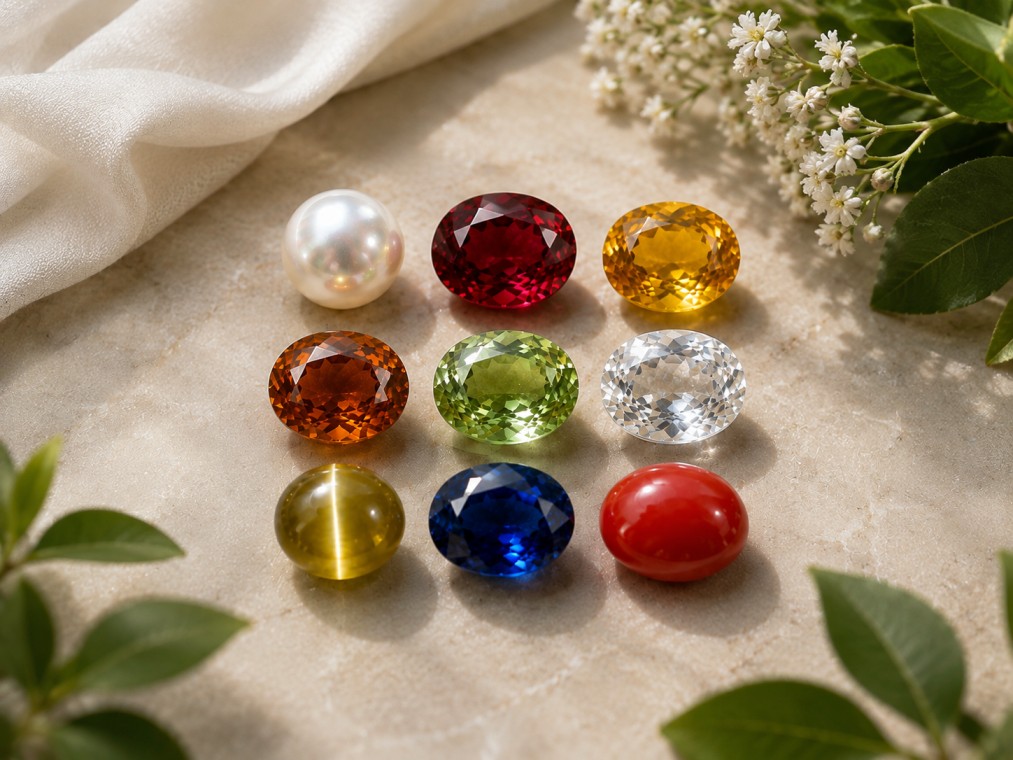
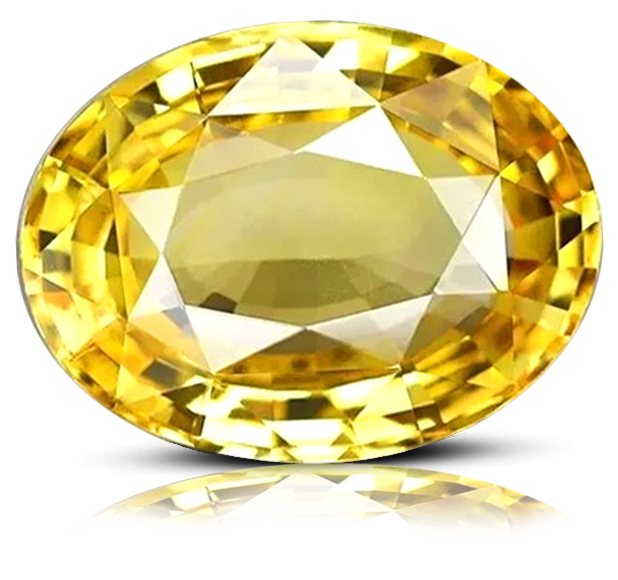
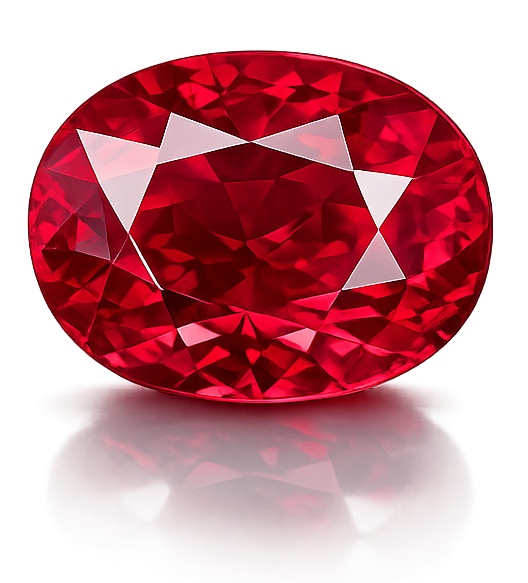
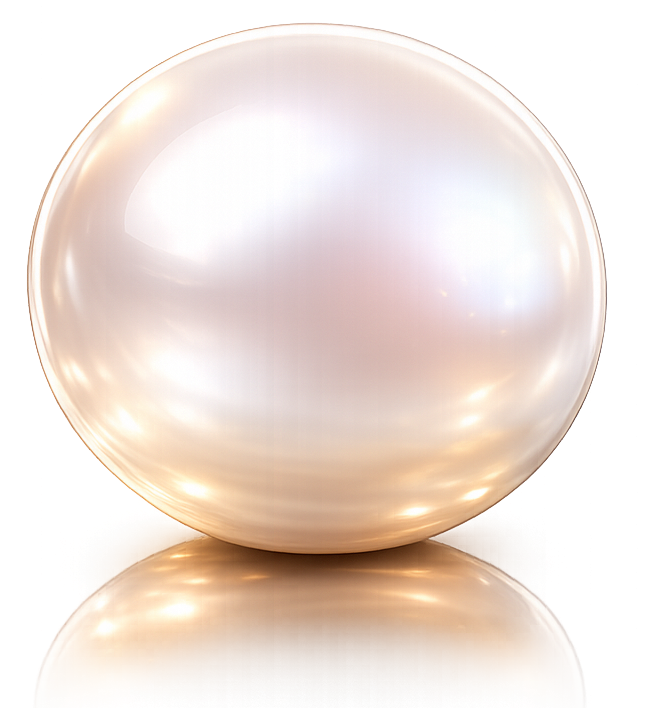
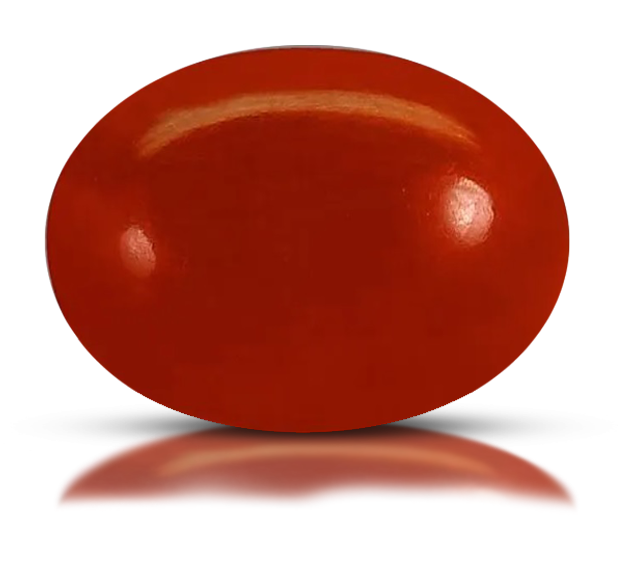
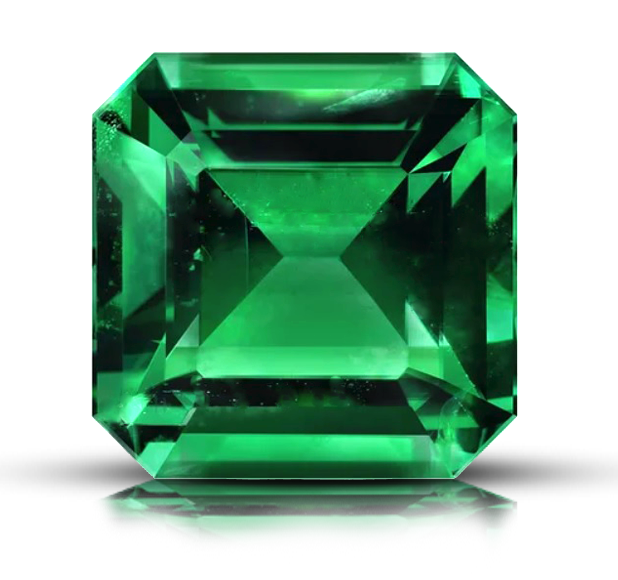
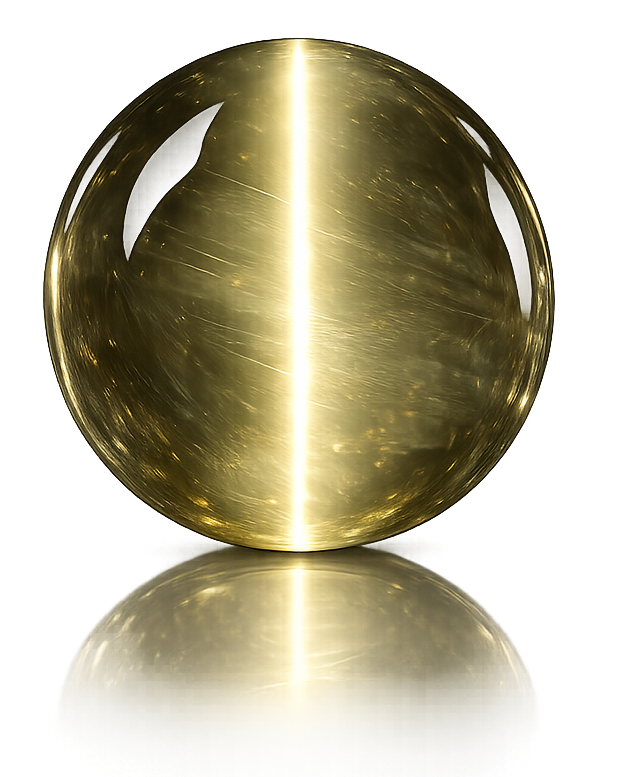
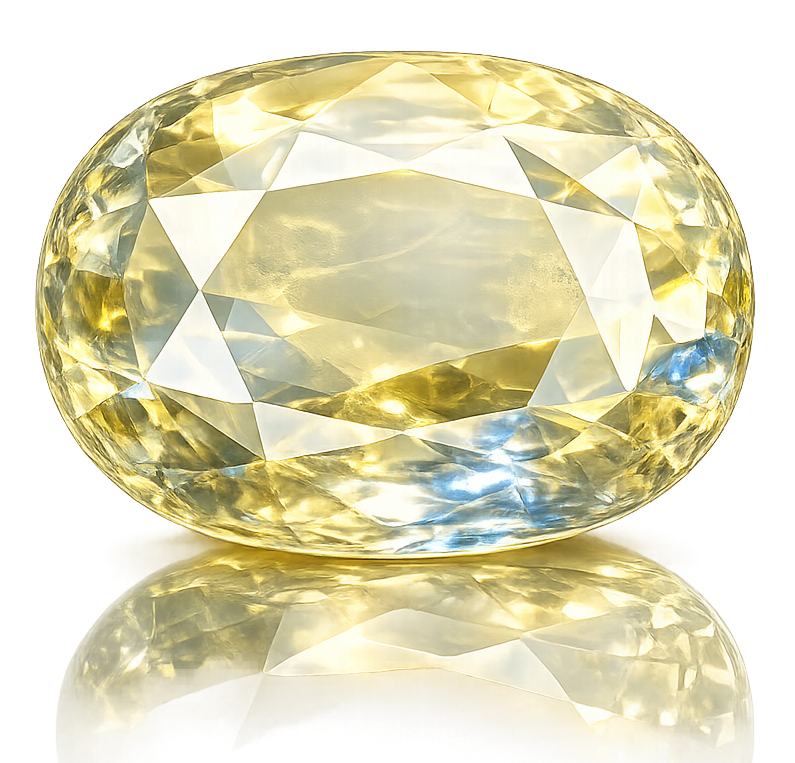
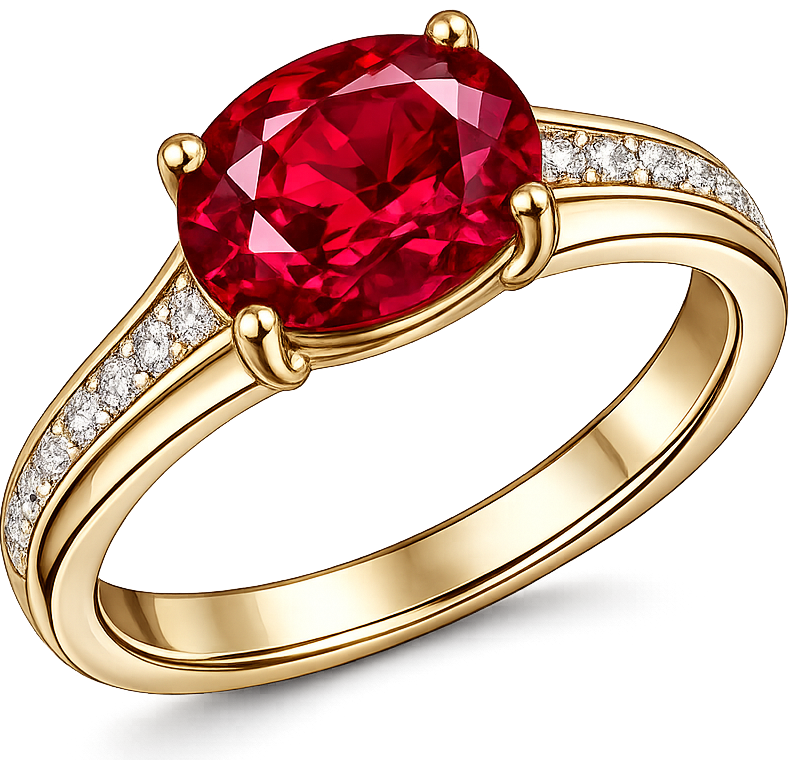
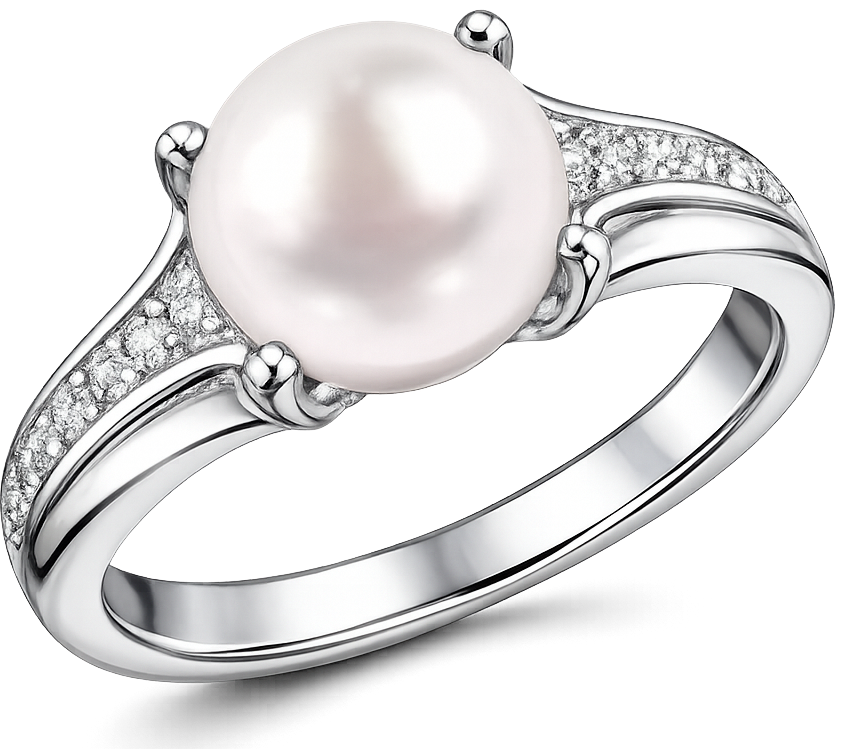
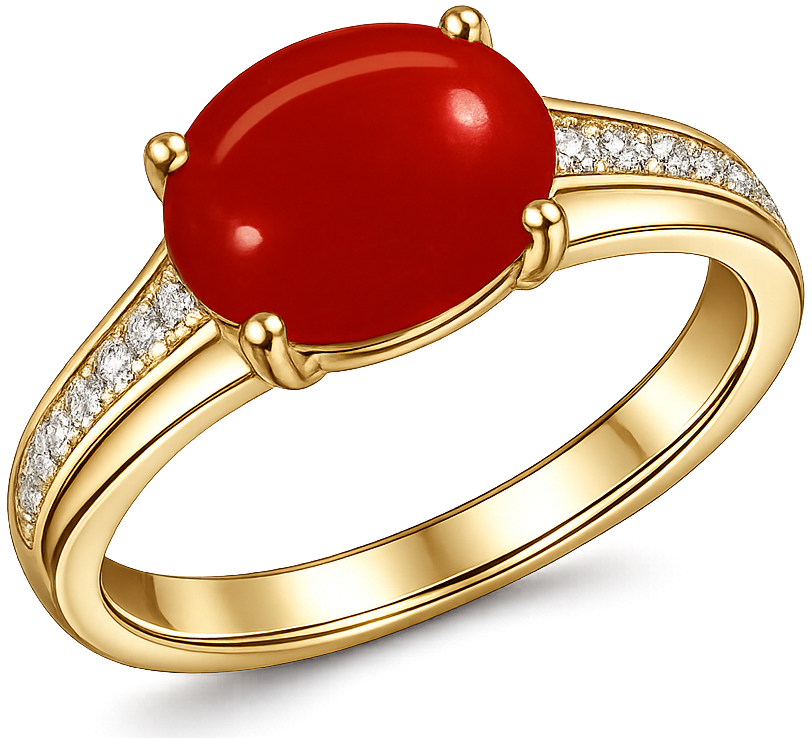
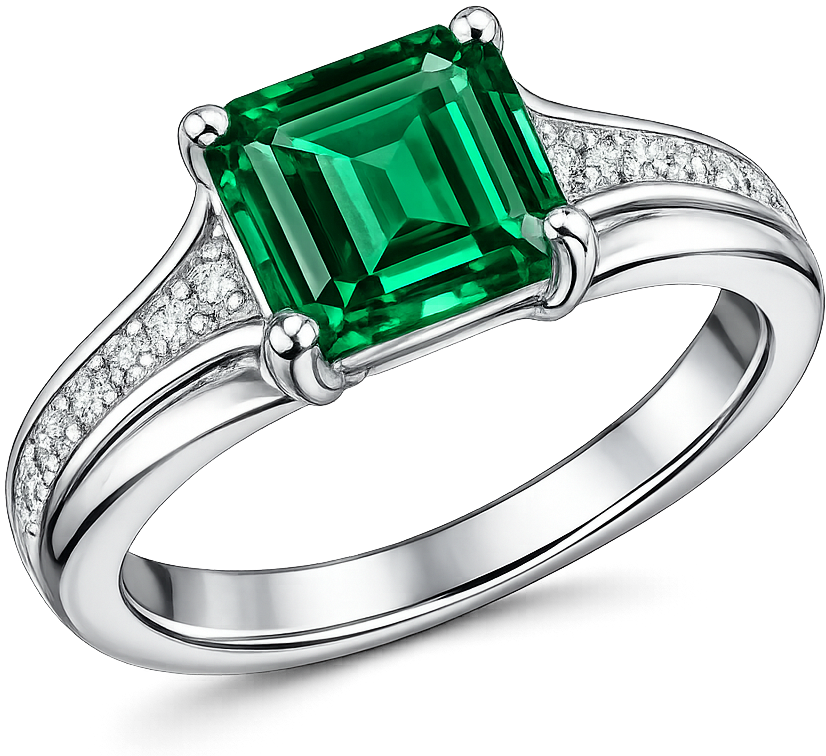
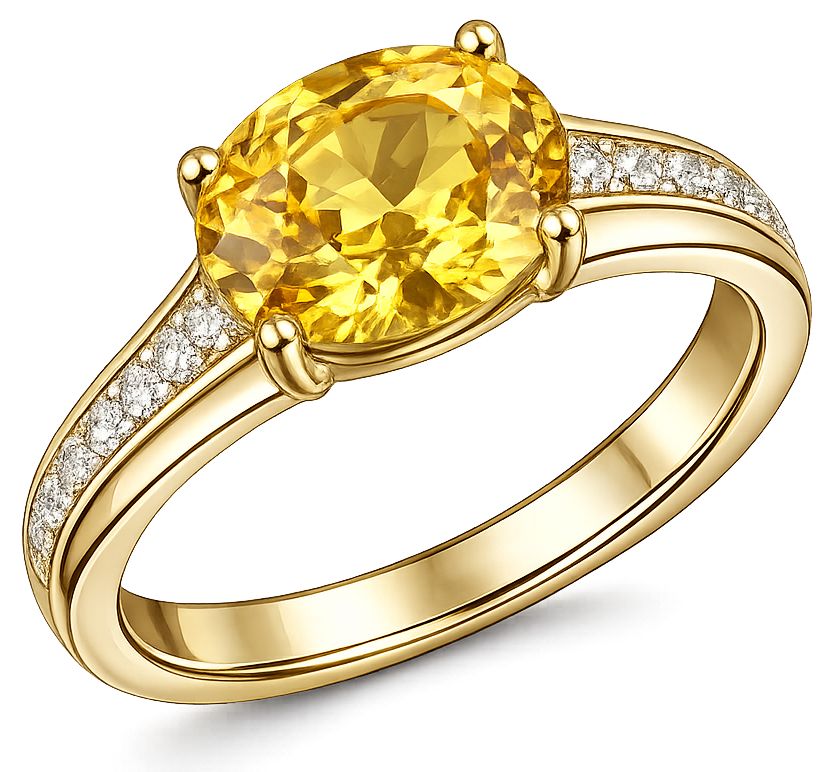
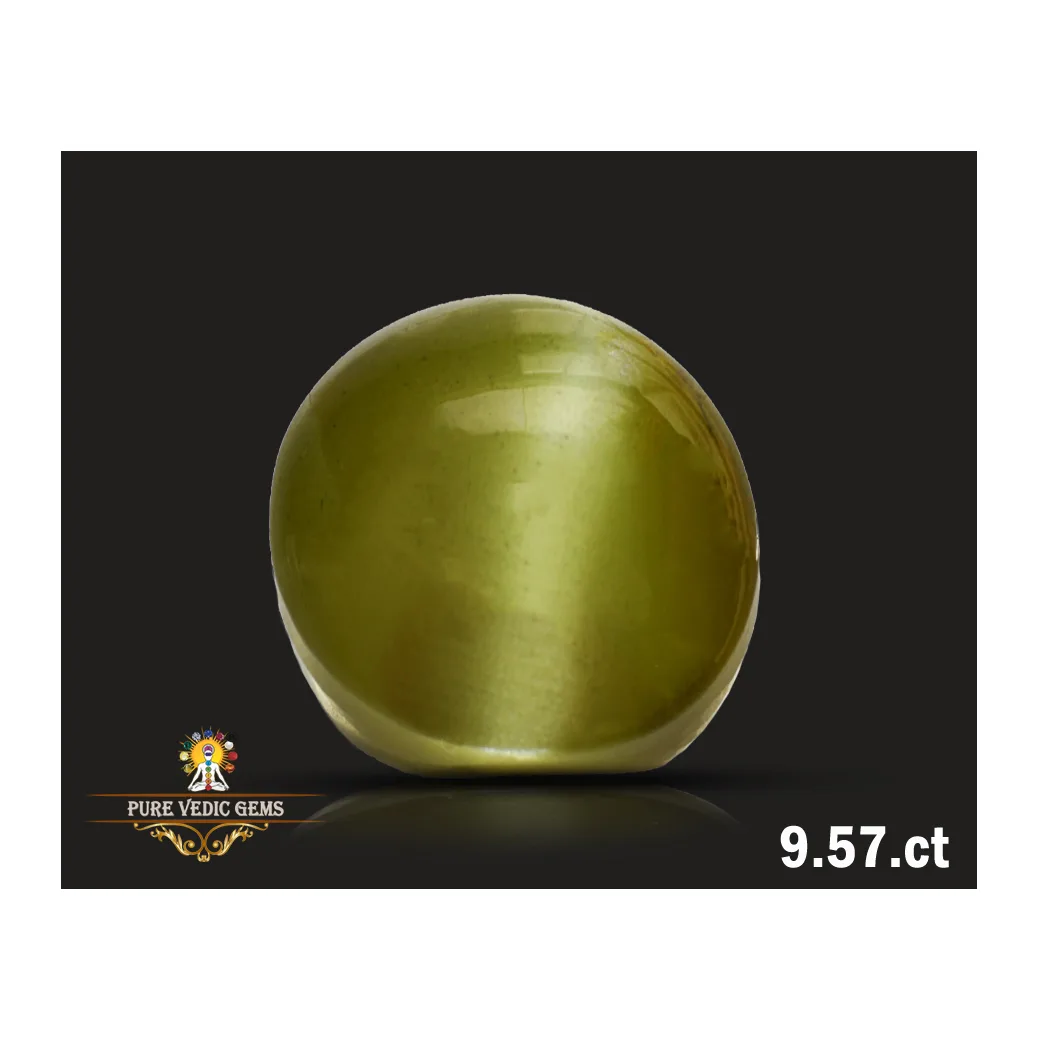
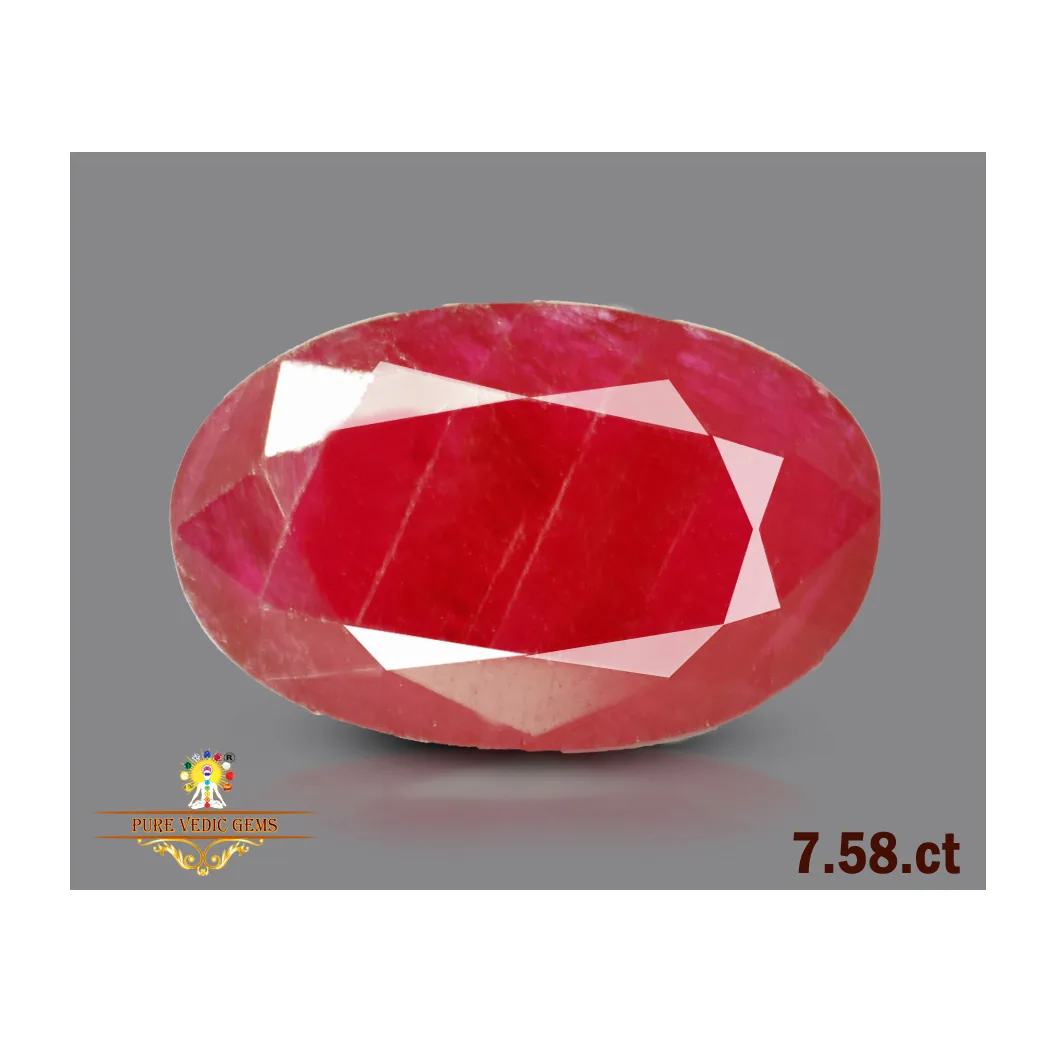
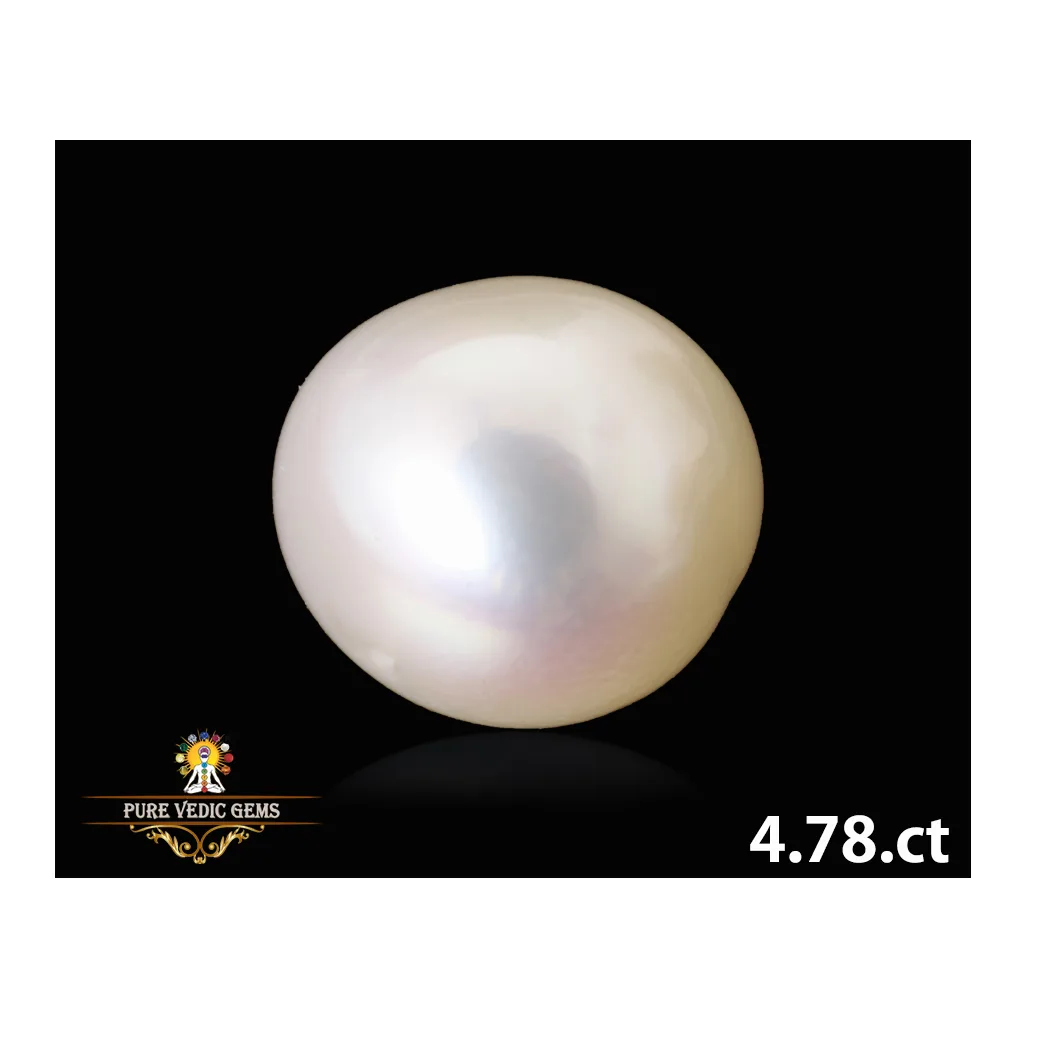
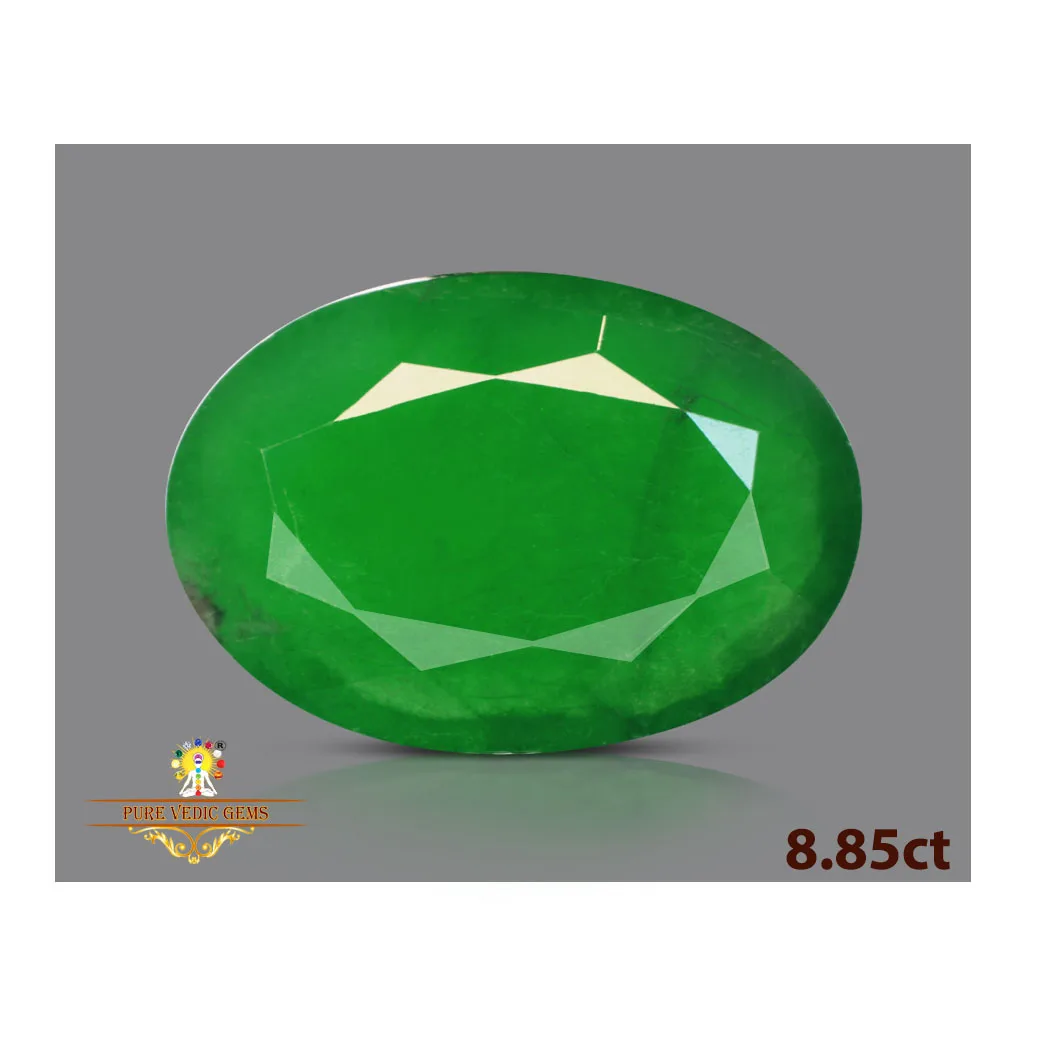
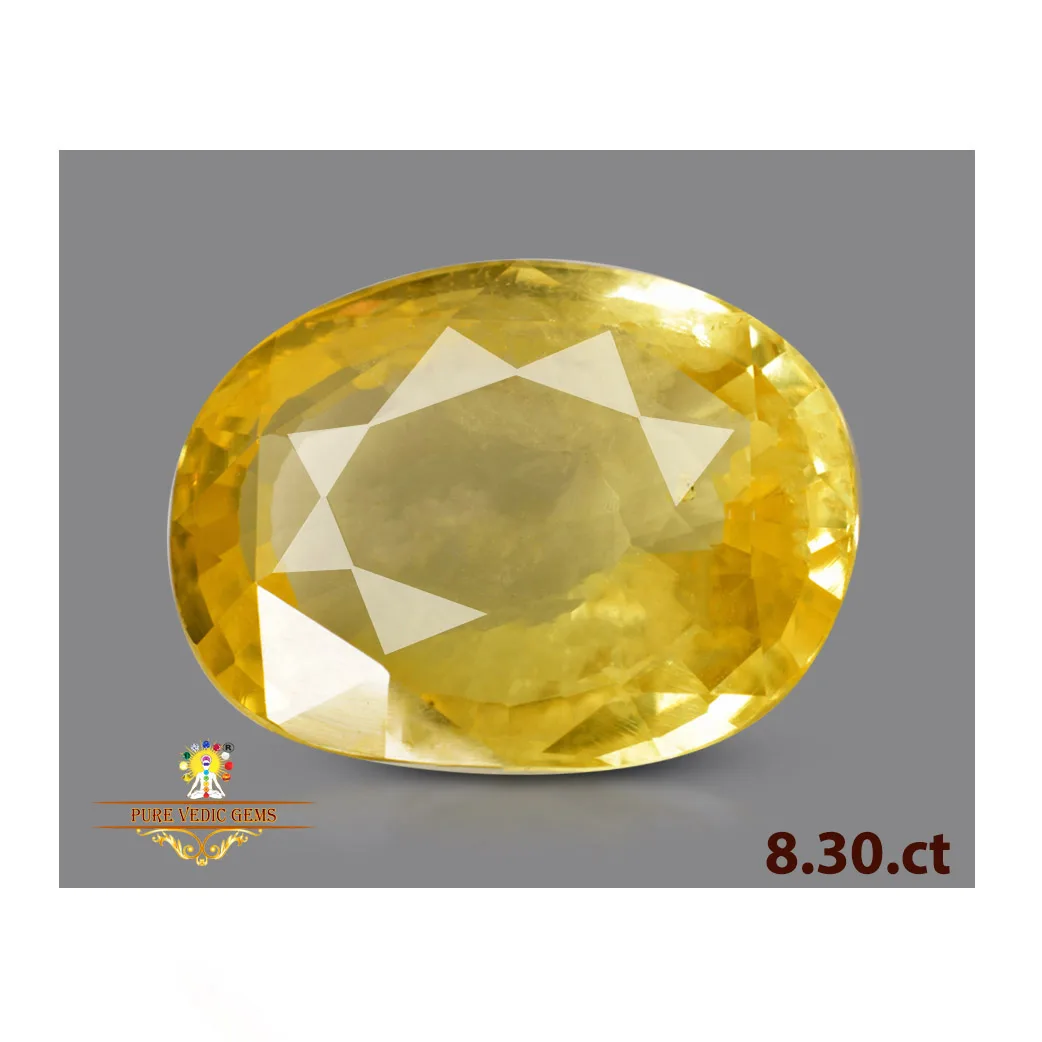
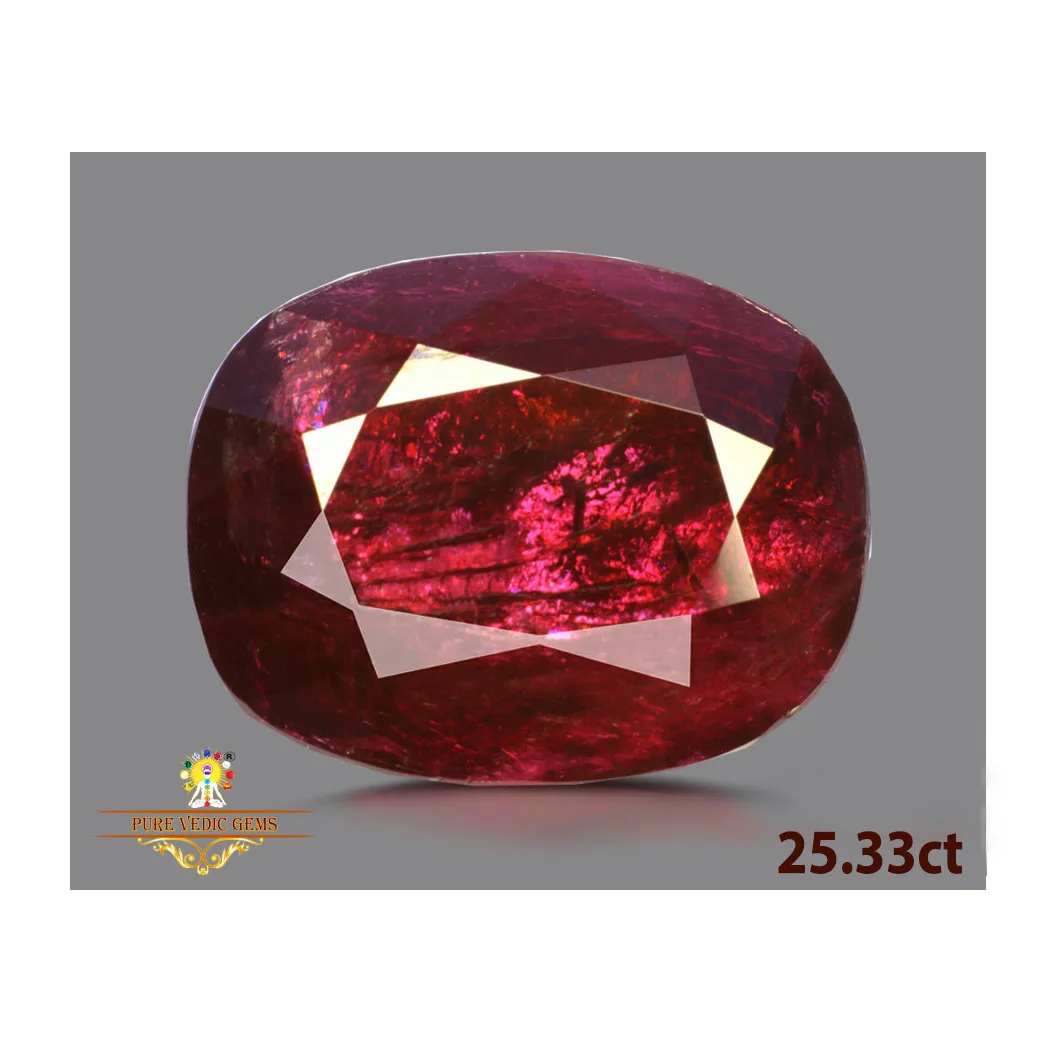
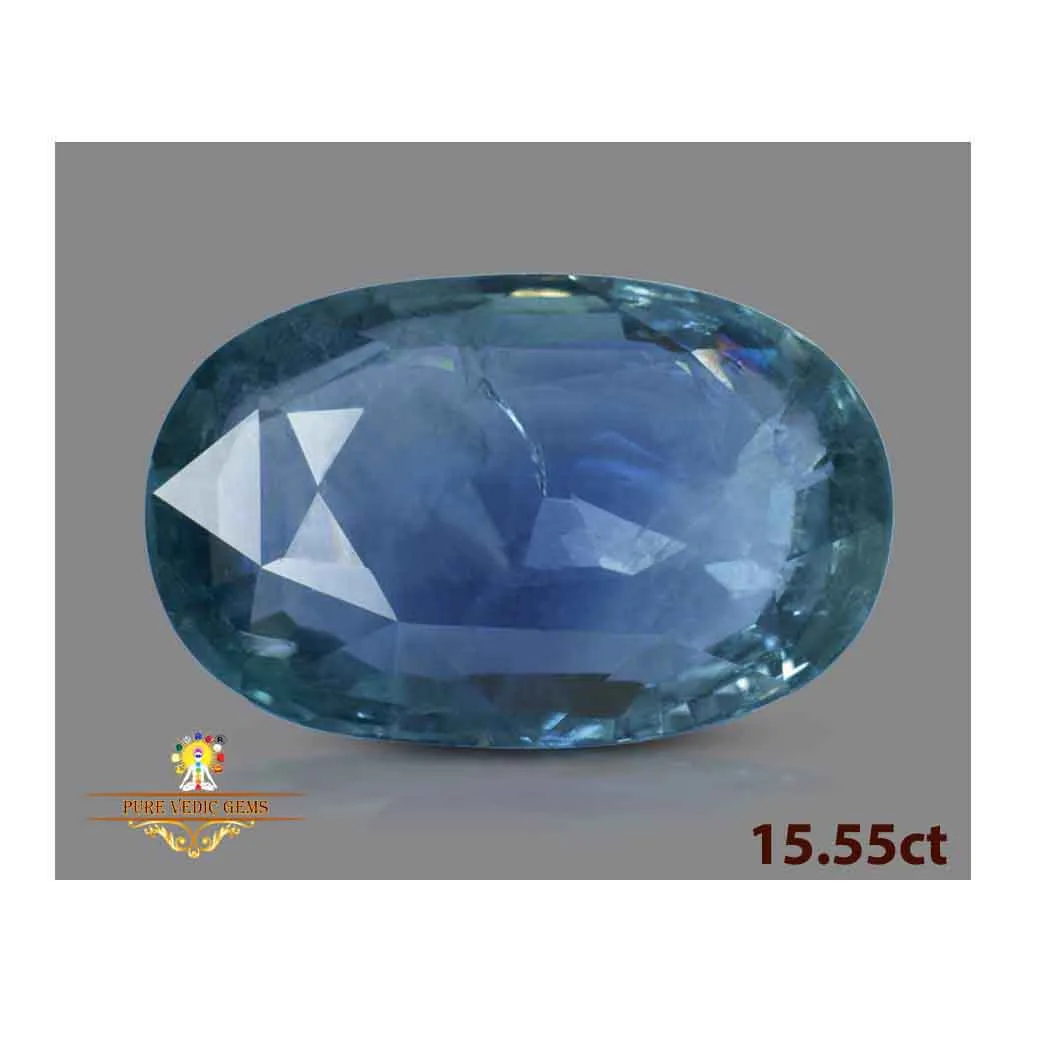
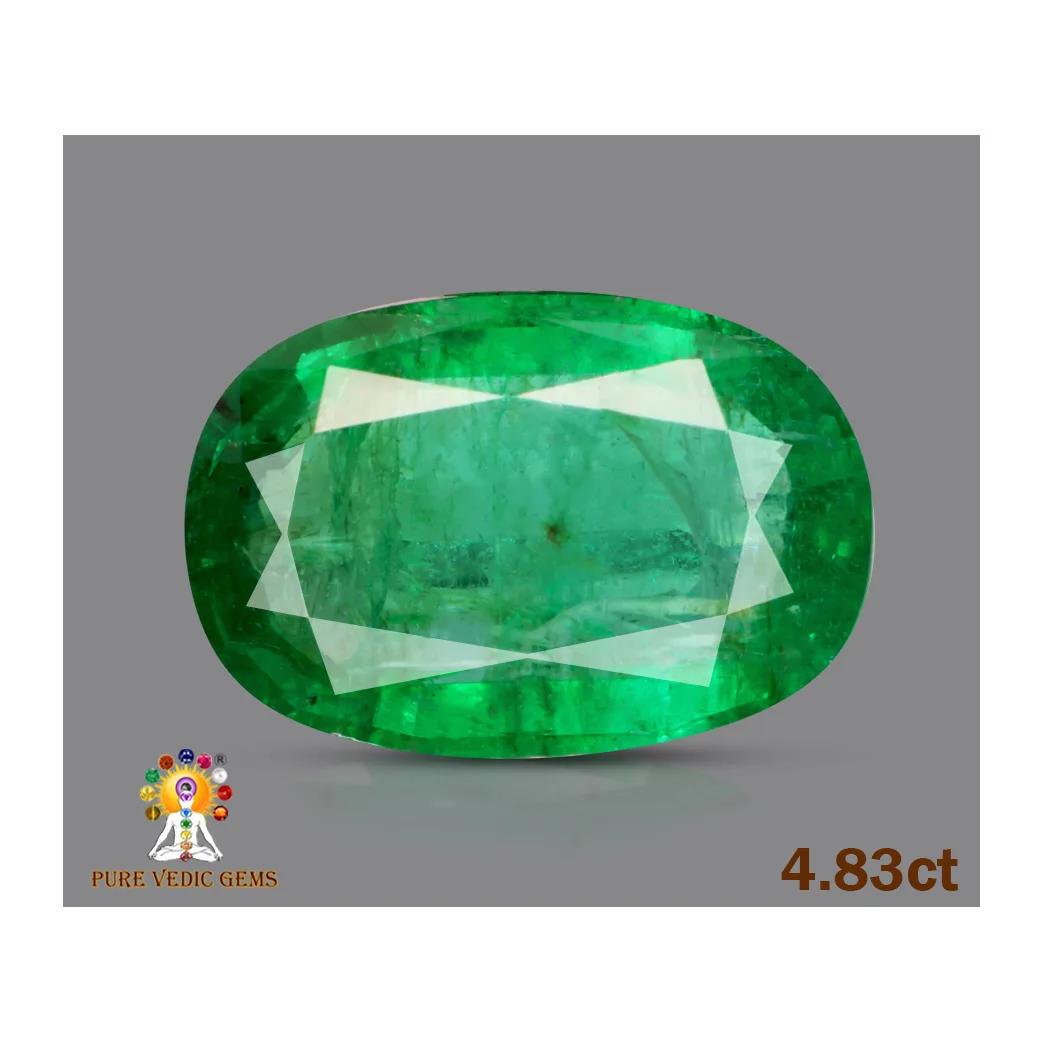
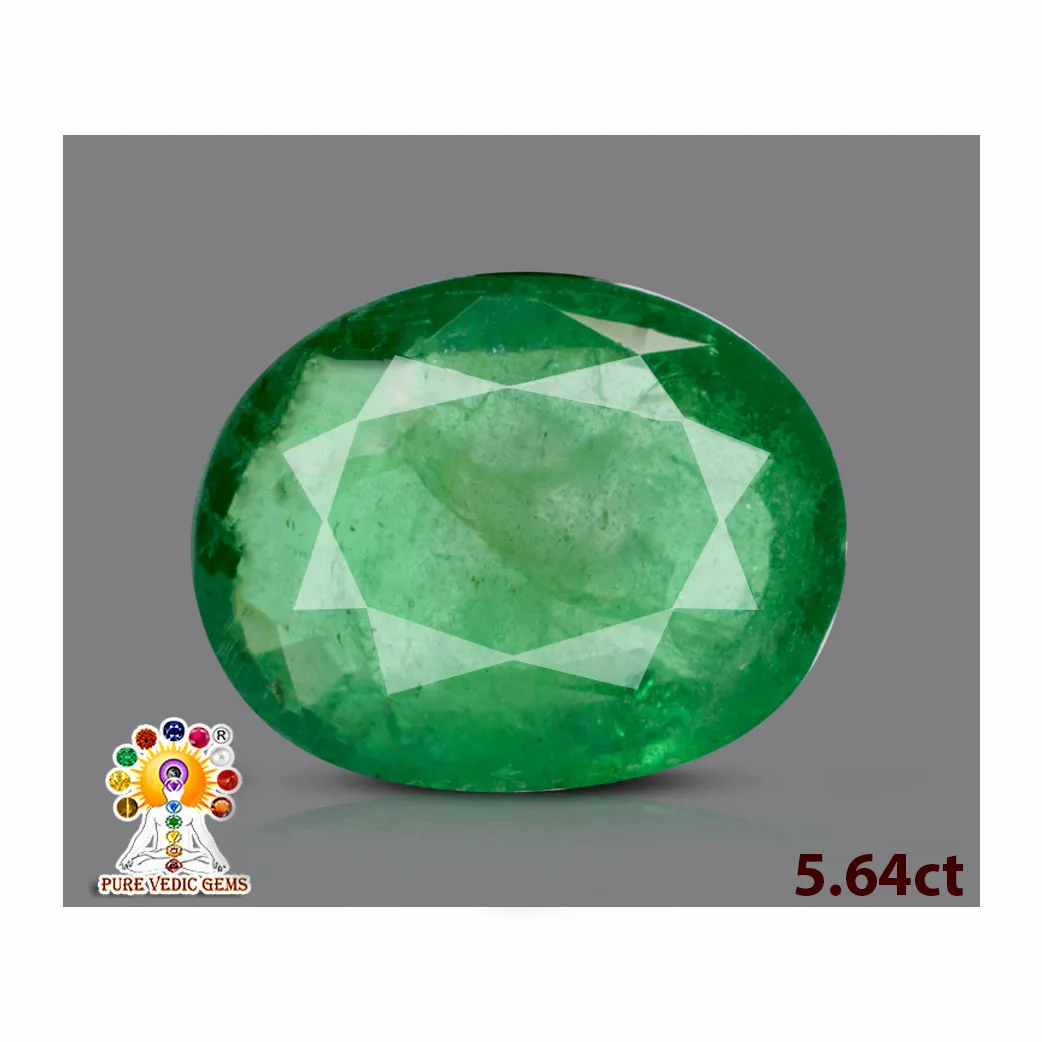
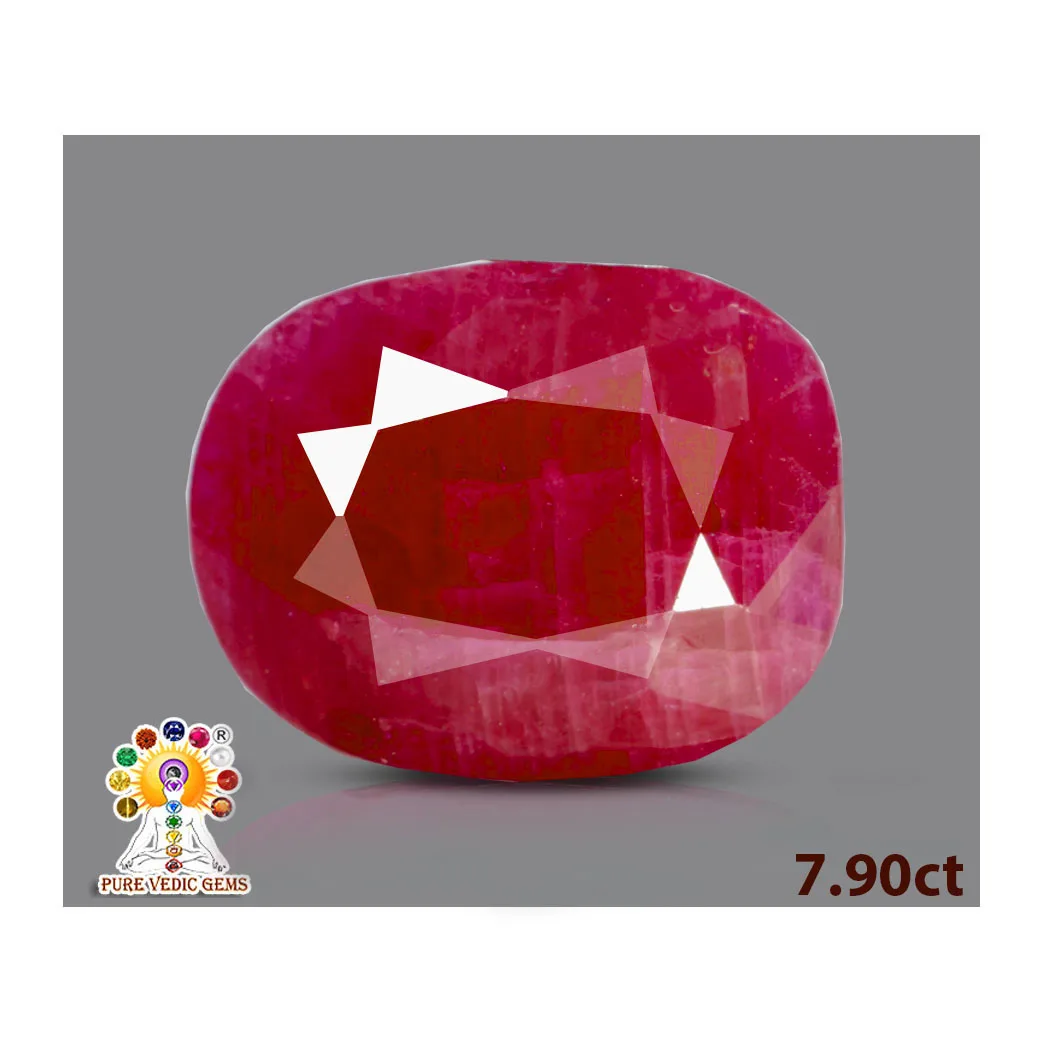
According to our Navratnas knowledge guide, planetary imbalances are traditionally addressed with Vedic gems — the nine main gems called Navratnas. They are Ruby (Manik) for the Sun, Pearl (Moti) for the Moon, Red Coral (Moonga) for Mars, Emerald (Panna) for Mercury, Yellow Sapphire (Pukhraj) for Jupiter, Diamond (Heera) for Venus, Blue Sapphire (Neelam) for Saturn, Hessonite (Gomed) for Rahu, and Cat's Eye (Lehsuniya) for Ketu.
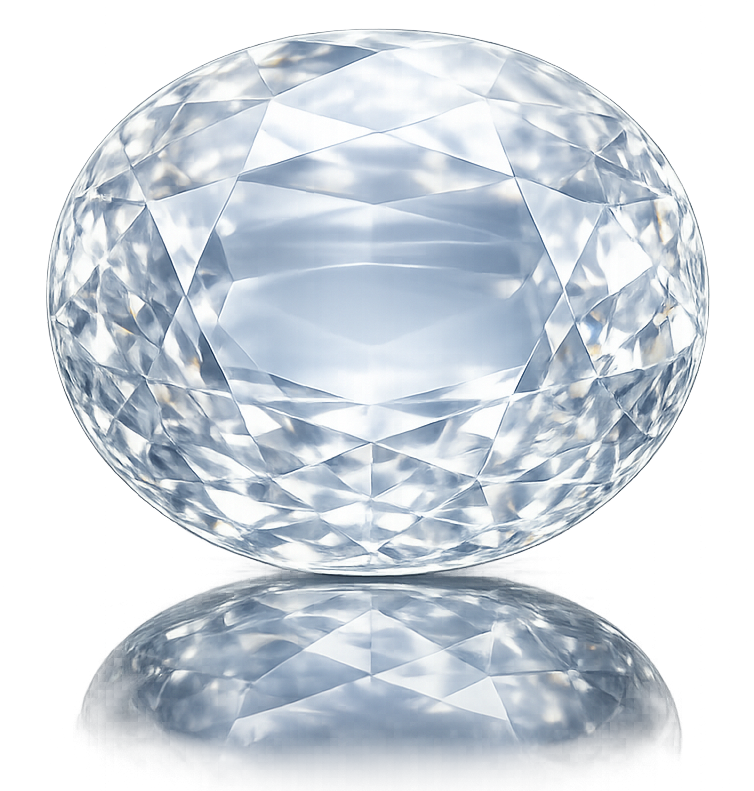
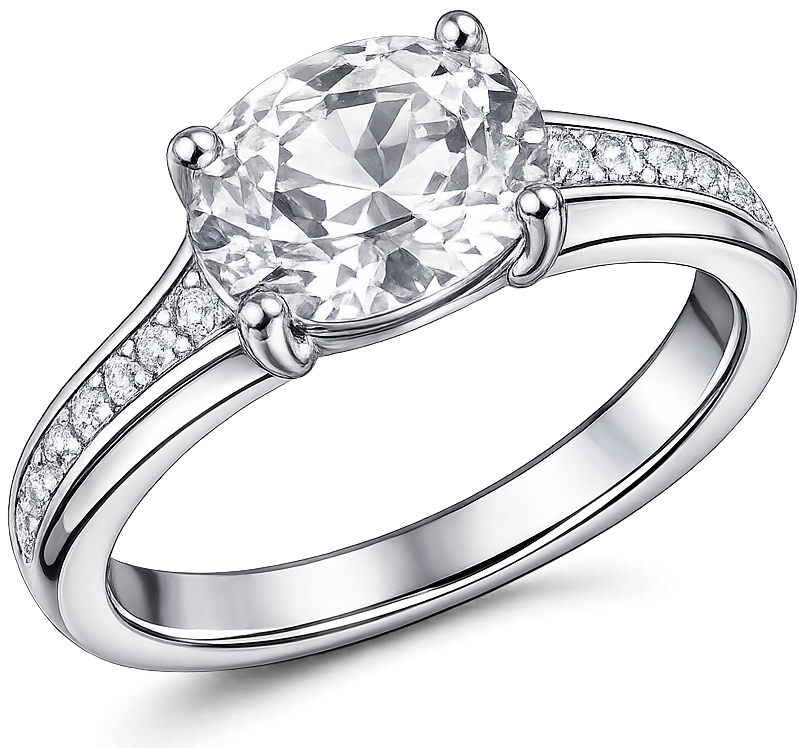
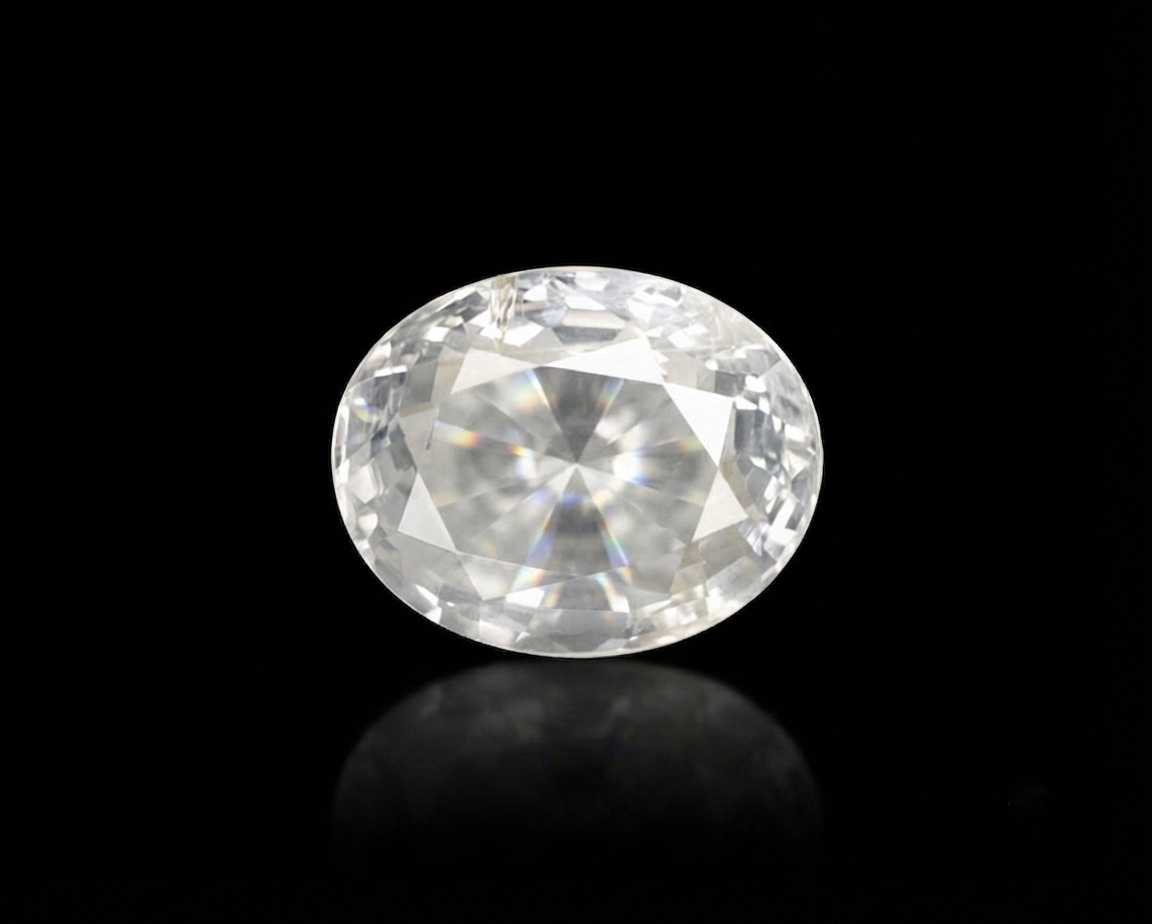
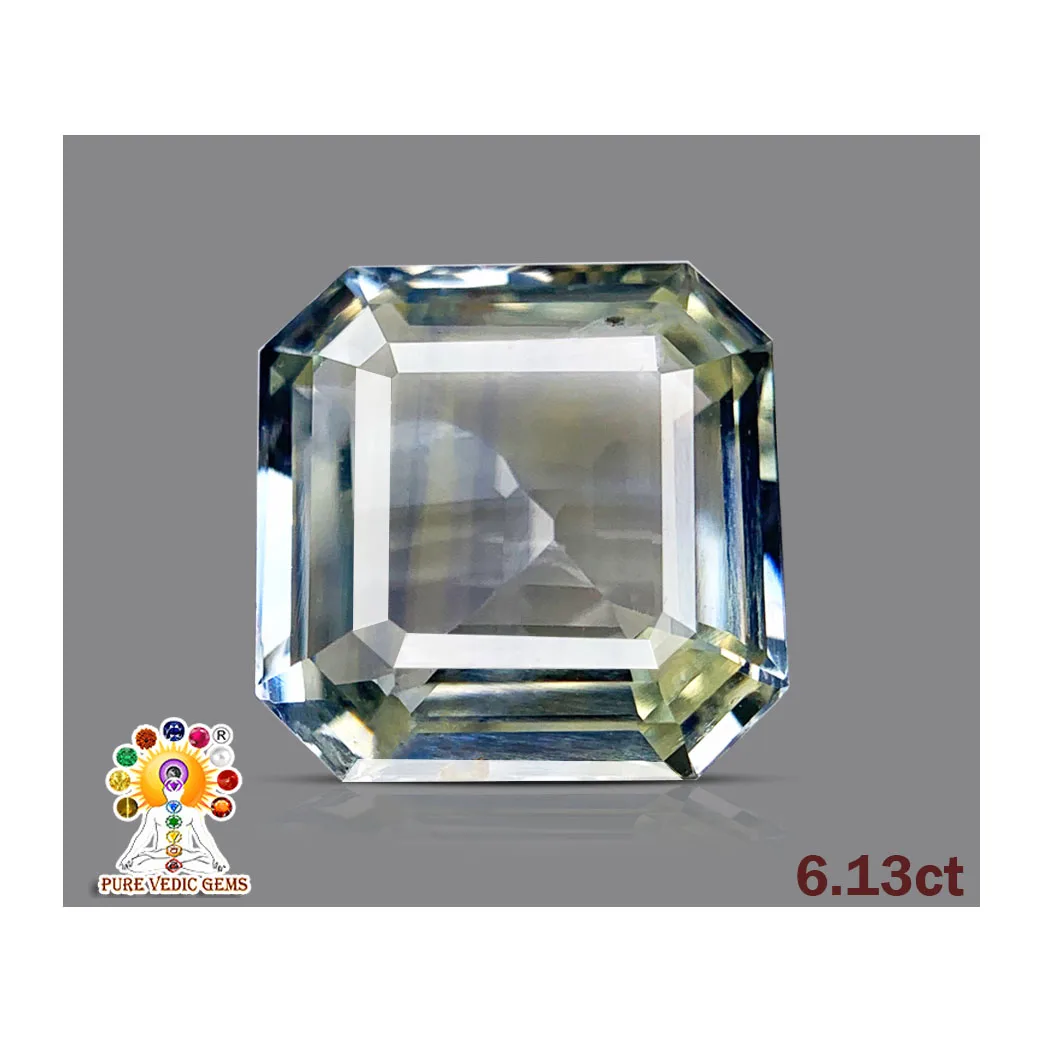
White Sapphire (Safed Pukhraj) is the traditional Jyotish substitute for diamond when Heera is not suitable or not affordable — the same mapping used in our gemstone-recommendation notes. Combinations of these stones can be powerful; they should be decided by an expert for your chart, not copied from a generic “wear all nine” list.
Ancient Indian Sanskrit texts treat gem therapy as one method to counter planetary imbalance. Each Navratna is linked to one graha. For Jyotish use, natural origin, even colour, lively lustre, appropriate cutting, reliable certification, and transparent treatment disclosure matter more than buying a larger stone at the cheapest price.
A nine-stone jewellery set is a recognised ornament. It is not automatically the correct Jyotish remedy. Our Navratnas guide lists inimical gems that are traditionally not worn together unless a learned astrologer gives a special exception — for example Ruby with Diamond, Hessonite, or Blue Sapphire.
| Gemstone | Planet | Traditionally not worn with | Shop |
|---|---|---|---|
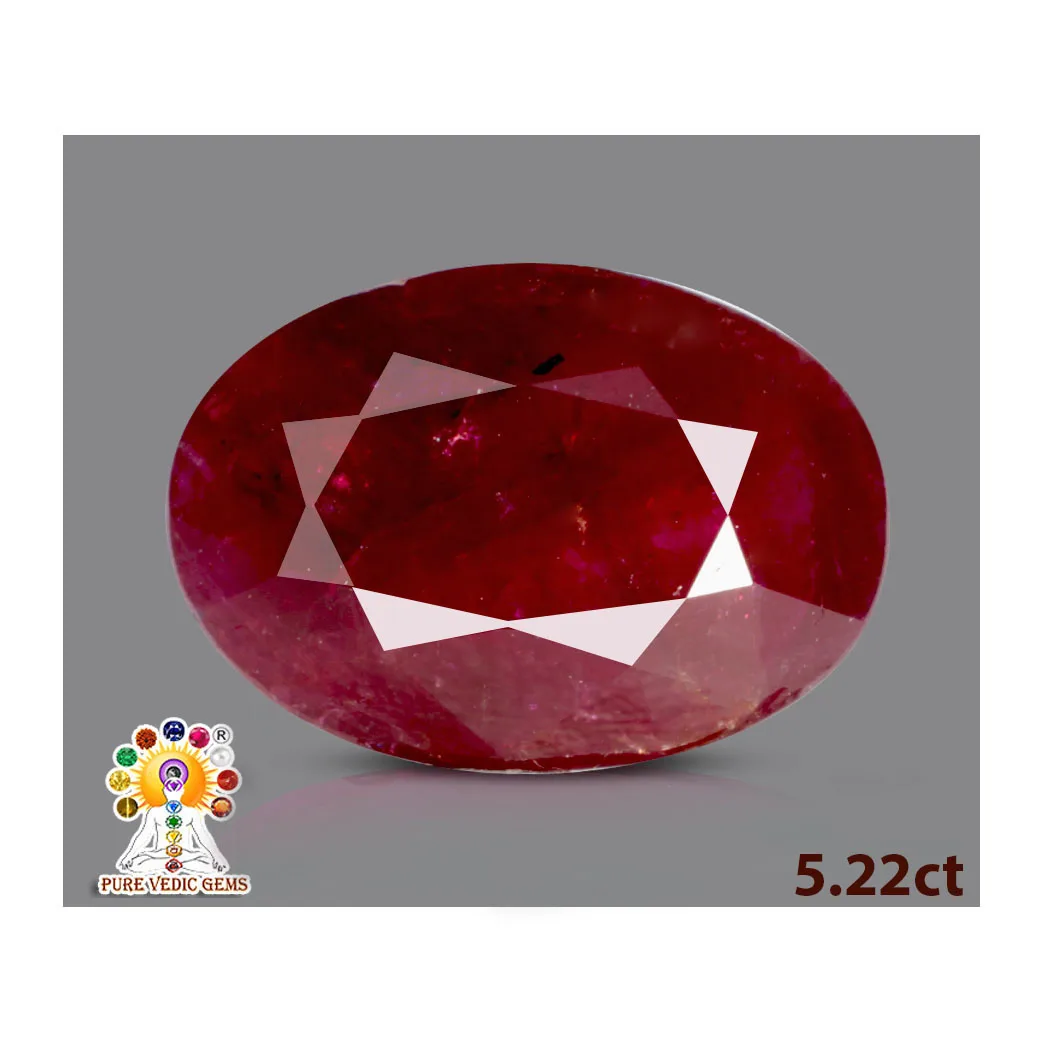
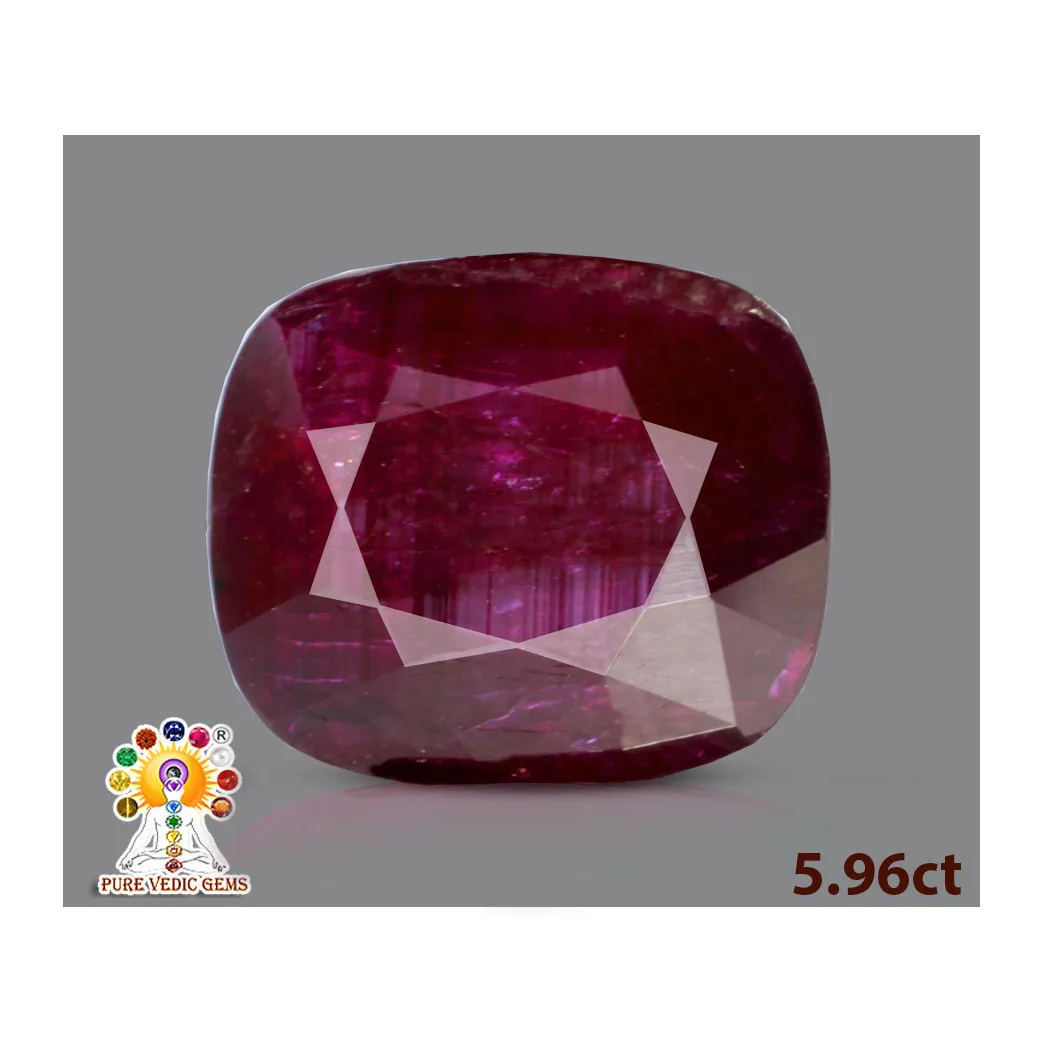
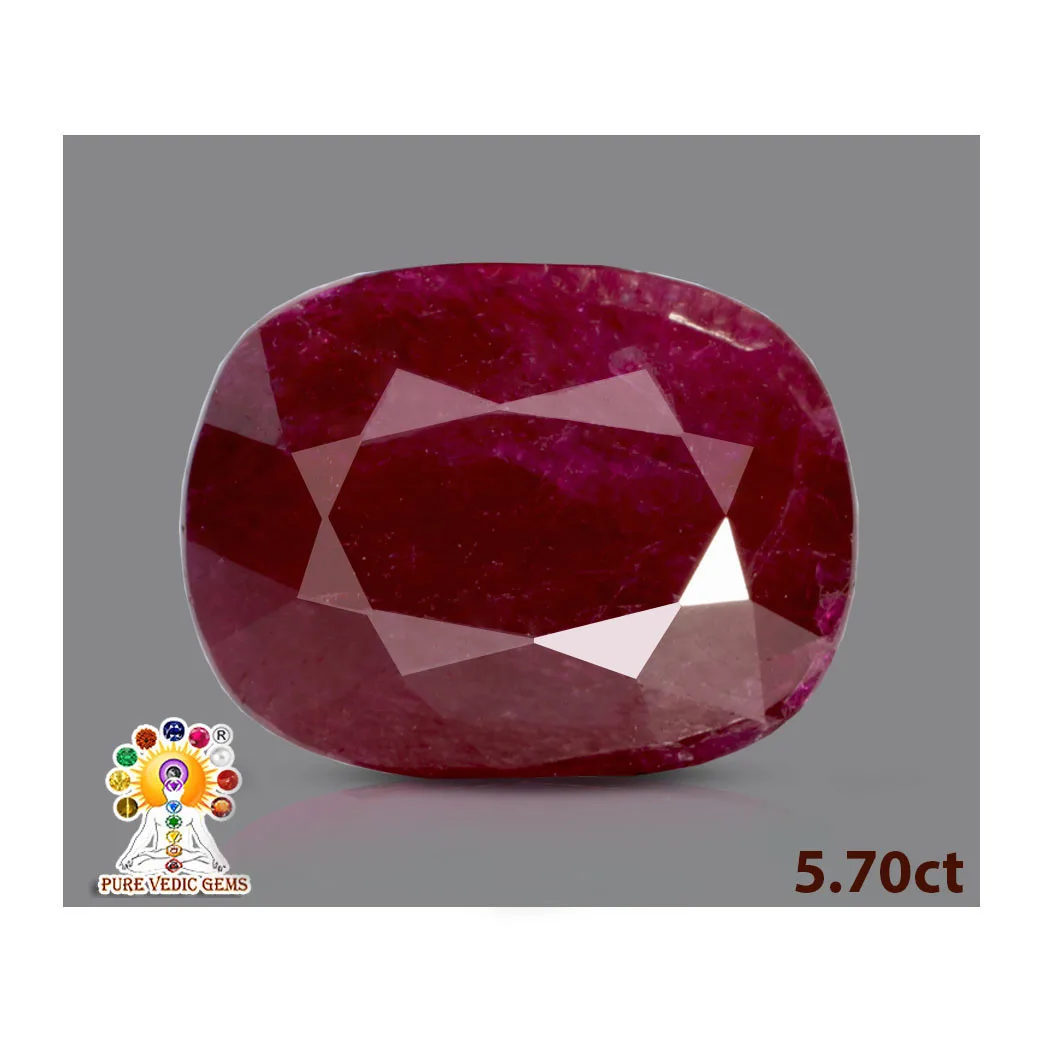
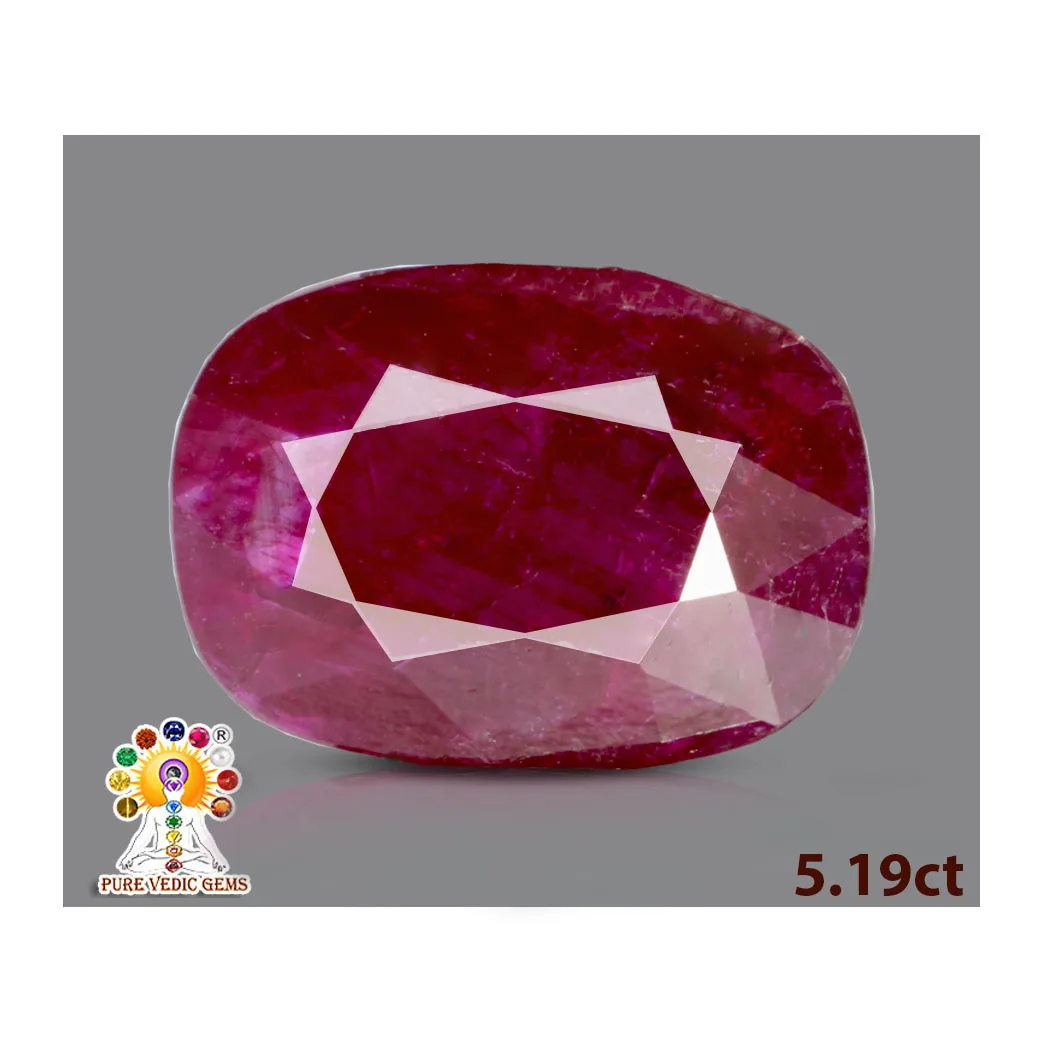
| Ruby (Manik) | Sun (Surya) | Diamond, Hessonite, Blue Sapphire | Buy Ruby |
| Pearl (Moti) | Moon (Chandra) | Hessonite | Buy Pearl |
| Red Coral (Moonga) | Mars (Mangal) | Diamond, Blue Sapphire, Emerald, Hessonite | Buy Red Coral |
| Emerald (Panna) | Mercury (Budh) | None commonly listed | Buy Emerald |
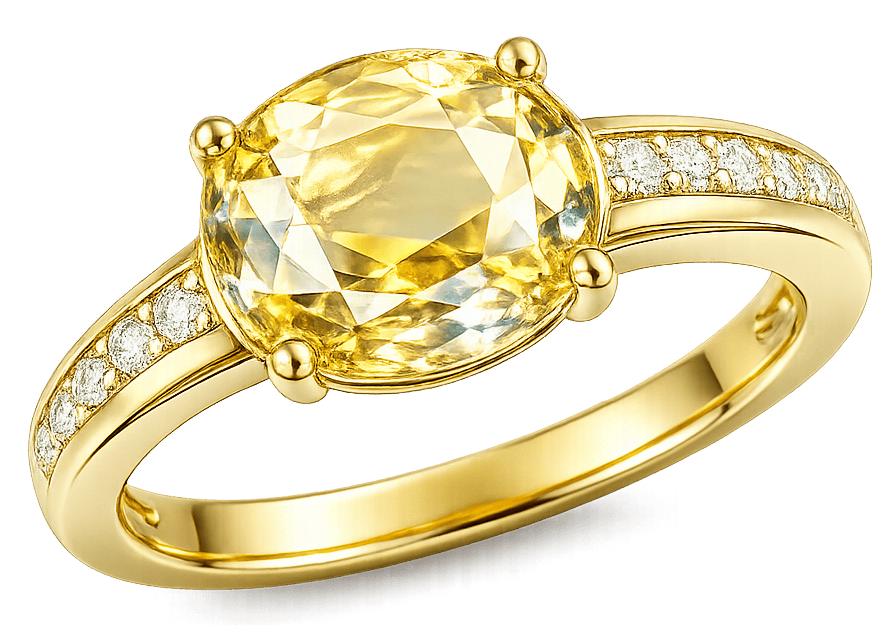
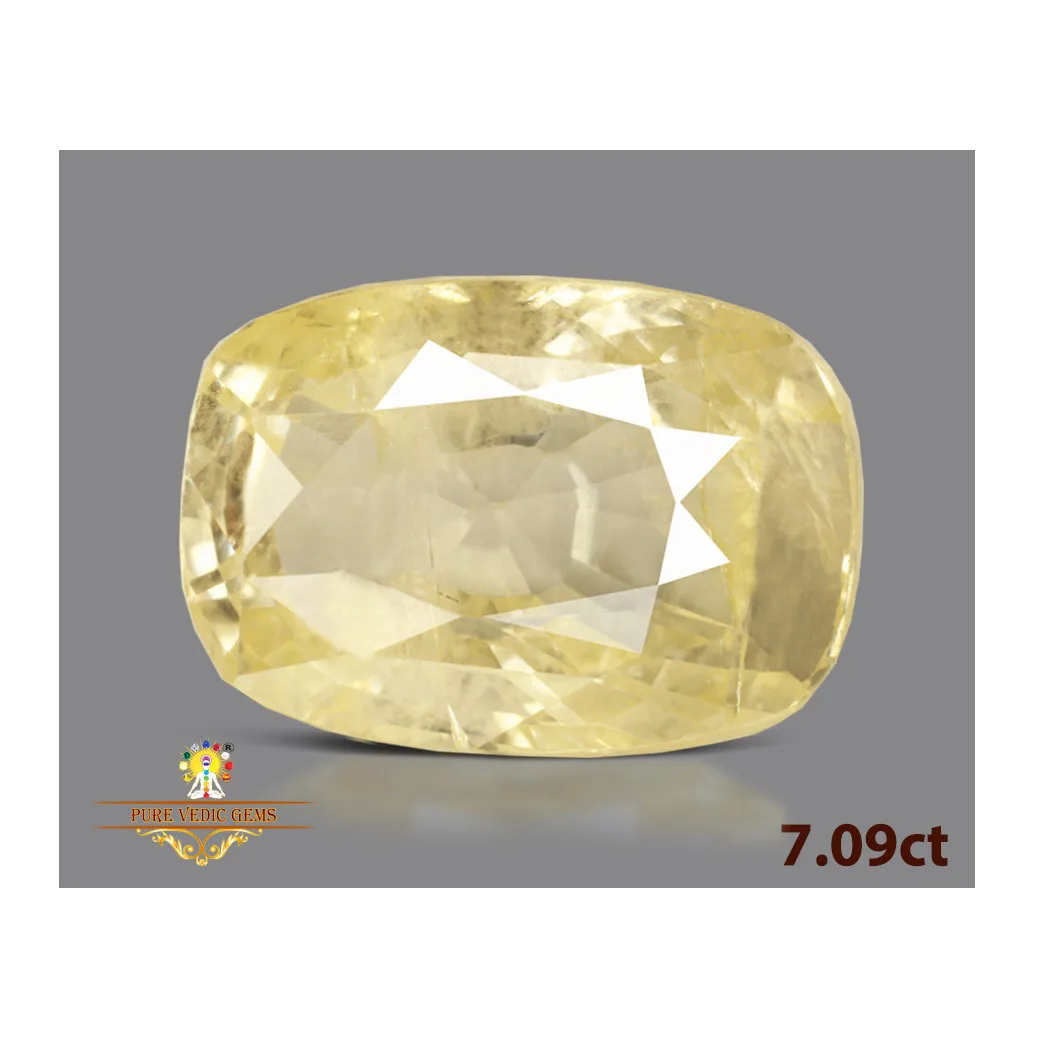
| Yellow Sapphire (Pukhraj) | Jupiter (Guru) | Hessonite, Blue Sapphire, Diamond | Buy Pukhraj |
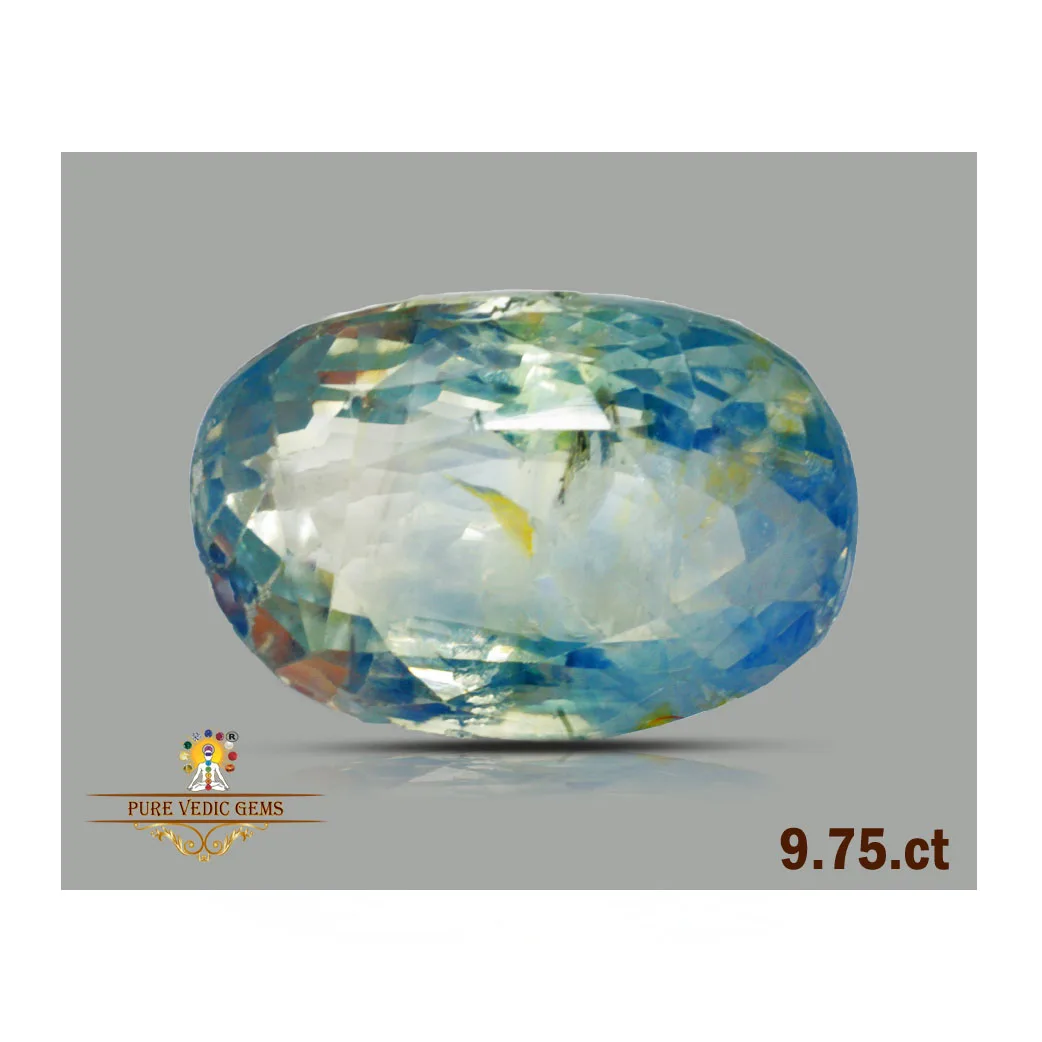
| Diamond (Heera) / White Sapphire | Venus (Shukra) | Ruby, Red Coral, Yellow Sapphire | Buy Diamond · White Sapphire |
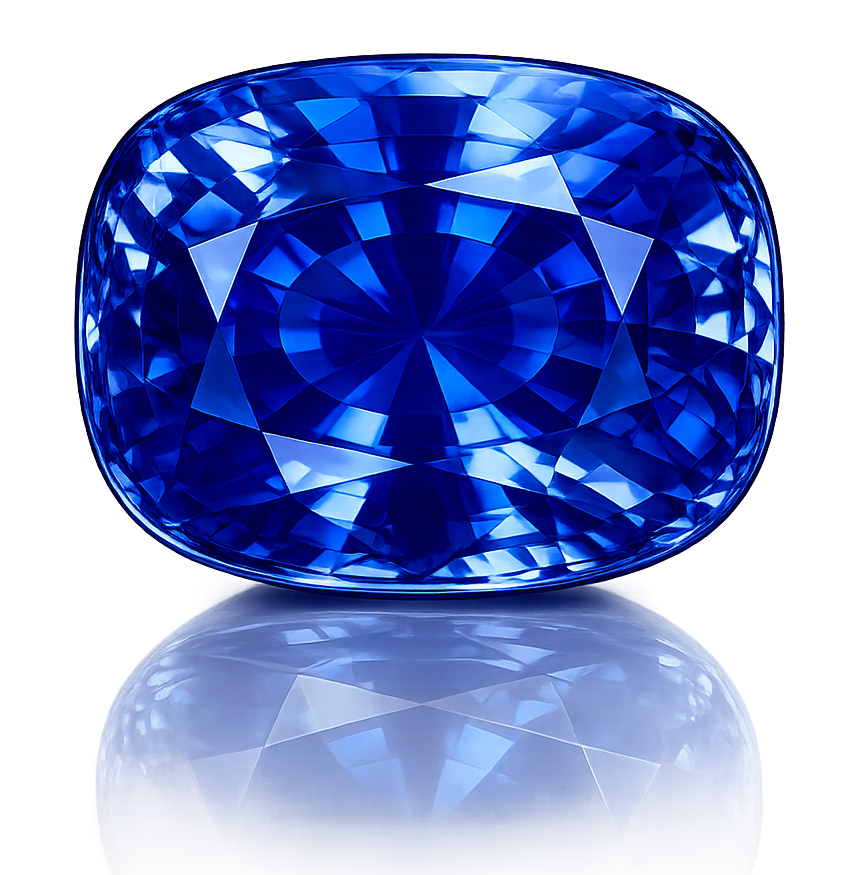
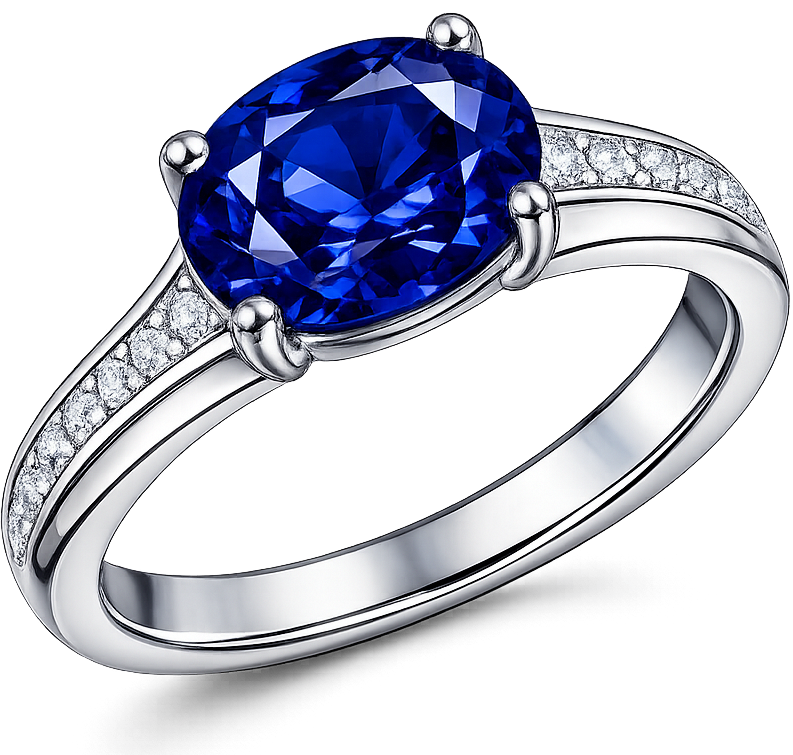
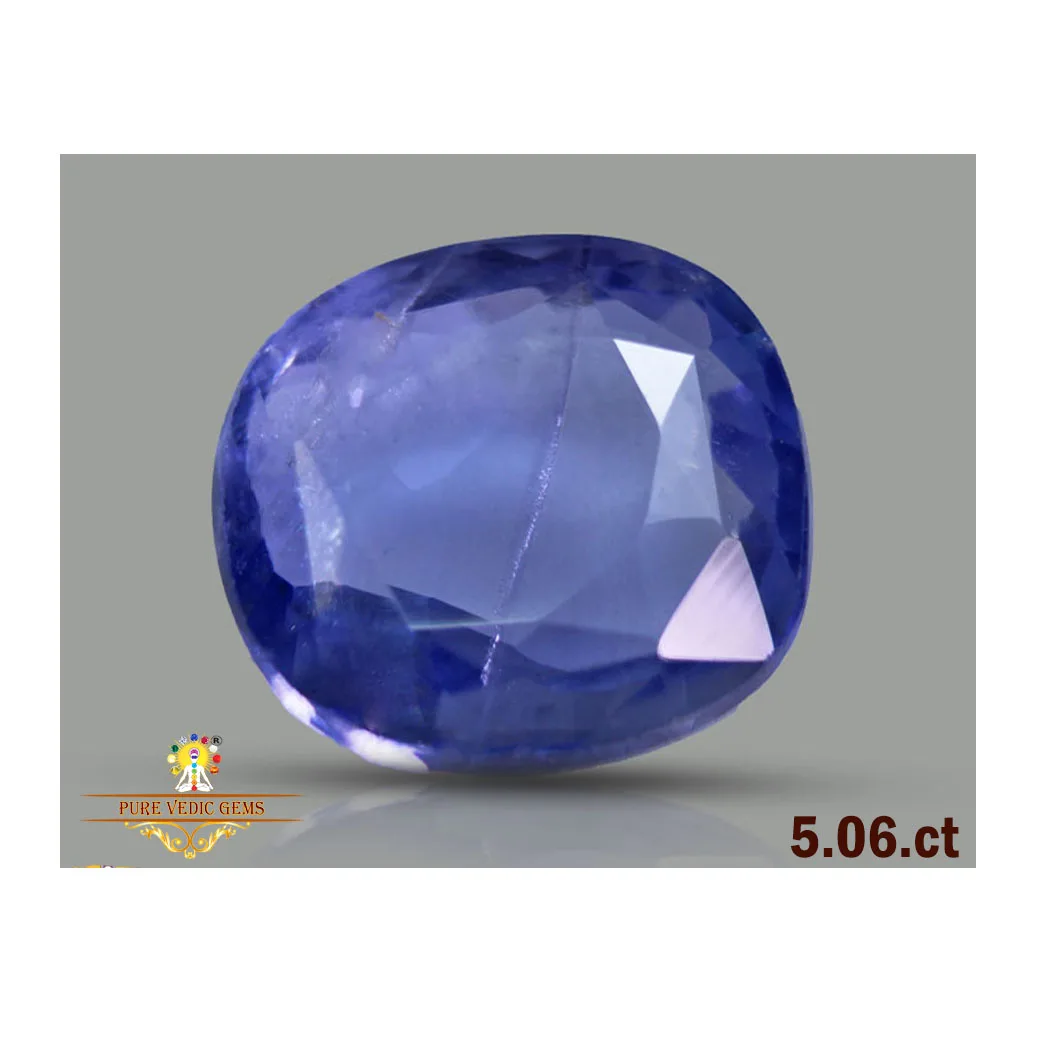
| Blue Sapphire (Neelam) | Saturn (Shani) | Ruby, Red Coral, Yellow Sapphire, Pearl | Buy Neelam |
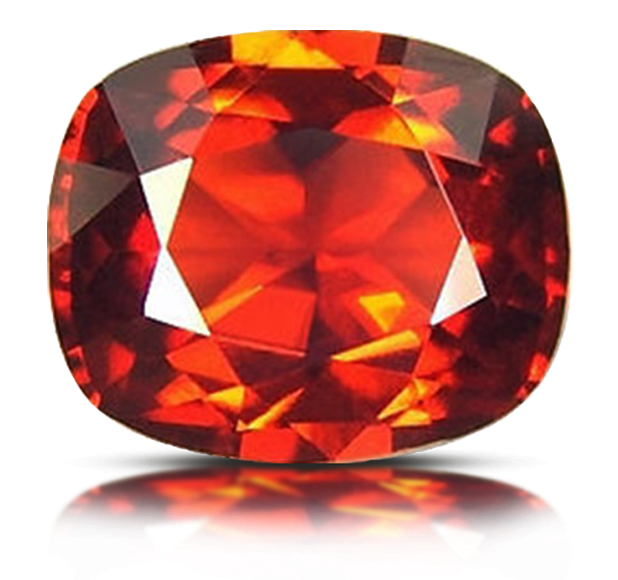
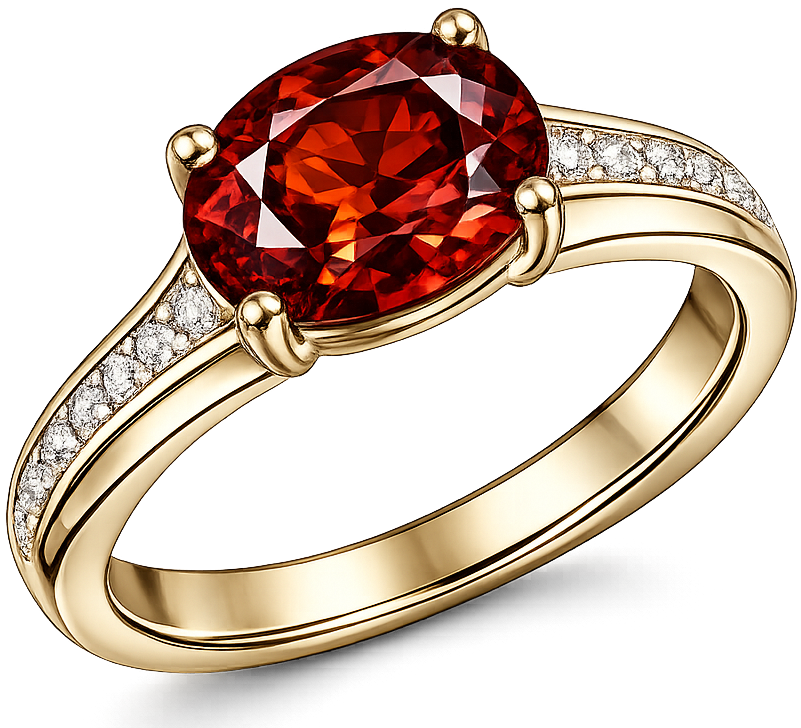
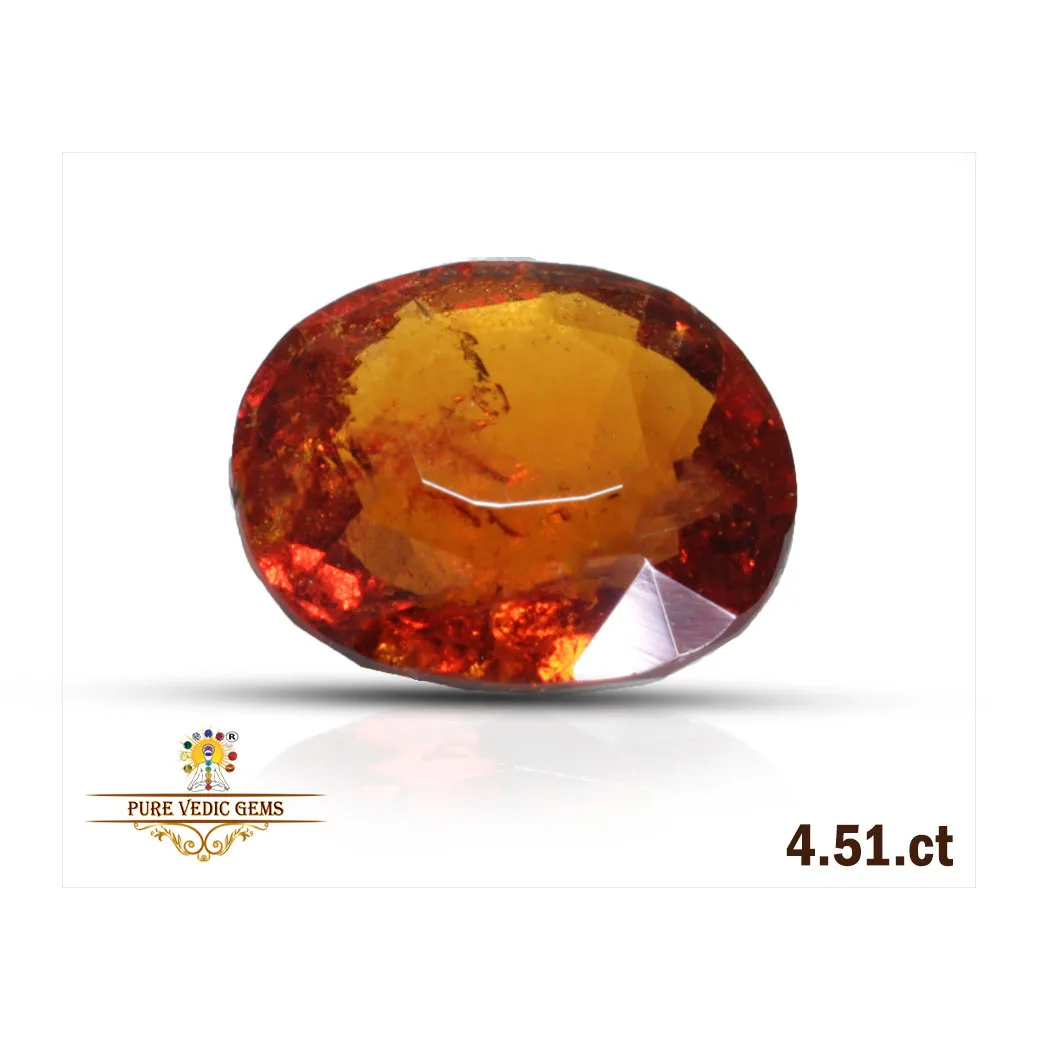
| Hessonite (Gomed) | Rahu | Ruby, Pearl, Coral | Buy Gomed |
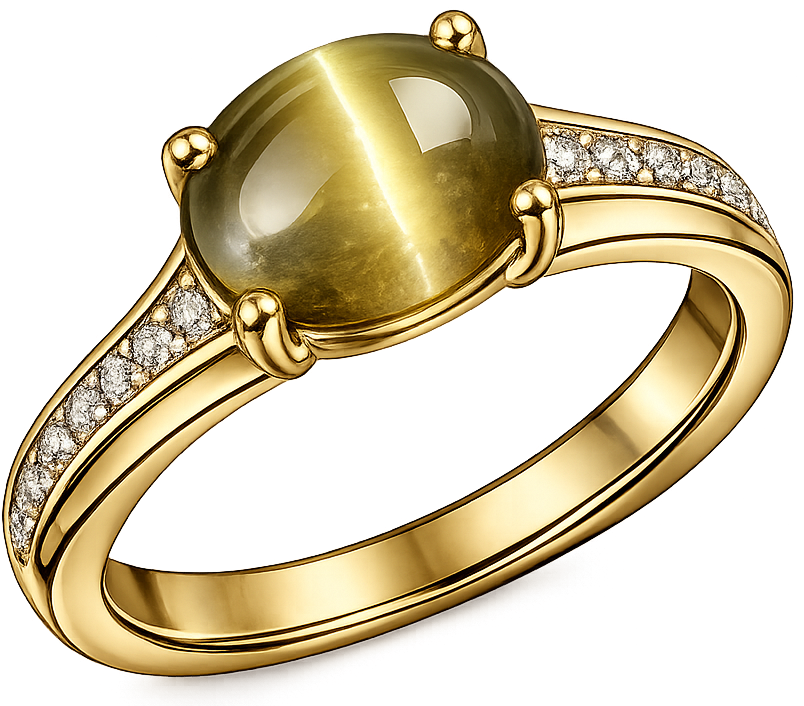
| Cat’s Eye (Lehsuniya) | Ketu | None commonly listed | Buy Cat's Eye |
Most Jyotish purchases on this site are a single prescribed stone in a suitable carat weight. A matched millimetre set or Navratna ring is jewellery that places all nine species in one ornament. Because several of those species are listed as inimical to each other, a full set should not be treated as “safer overall protection.” Start with consultation or Which Gemstone Should I Wear?, then buy the stone that was actually recommended.
Our Navratnas guide is clear: after a horoscope is studied, the benefic gem or gems should be purchased from a reliable source. Metal, finger, day, time, and mantra must be considered together — each of the nine stones has its own wearing table on that page. There is no single Sunday / ring-finger rule that covers a full Navaratna combination.
| First step | Kundli review by a Vedic astrologer. Do not self-prescribe all nine together. |
| Setting | Ring or pendant made so the bottom of the gem is open and can touch the body (ray-transmission principle in our guide). |
| Purification | Bathe, wear clean clothes, then purify in unboiled cow milk or holy Ganga water. |
| Mantra | Energise by chanting the prescribed Vedic mantra at least 108 times. Each Navratna has its own mantra in our Navratnas guide and energized gems page. |
| Time | Wear at the time recommended for you — usually calculated around sunrise or sunset for your location, not a generic weekday copied from Ruby. |
| Inimical gems | Stones listed as inimical to the main gem are not worn with it unless a learned astrologer gives a special exception. |
Jewellery makers often place a ruby in the centre of a Navratna ring as a design. That is an ornament convention, not a substitute for the finger, metal, and day listed for each gem in our knowledge tables. Ask which Venus stone is actually set — diamond, white sapphire, natural zircon, or cubic zirconia — and confirm the combination against your chart before daily wear.
Wear the Navratna that was recommended for your lagna, dasha, and house lords. “Anyone can wear Navratna” is jewellery marketing. Our recommendation notes say combinations can be powerful and should be determined by an expert. Blue Sapphire, Hessonite, and Cat’s Eye are treated with extra caution in our guides, often with a trial or close observation period.
Use Which Gemstone Should I Wear? with date, time, and place of birth, then book our experts. PureVedicGems would rather sell one correct certified stone than a nine-gem ring that fights the chart.
Benefits belong to the planet of the gem that was prescribed. They are traditional Jyotish associations from our Navratnas guide — not medical or financial promises, and not a reason to wear all nine at once.
Ruby is linked with vitality, authority, confidence, and public standing. Pearl with emotional steadiness, calmness, and mental peace. Red Coral with courage, stamina, discipline, and decisive action. These three are also the gems most often discussed for health-related charts — still only after analysis, because the wrong stone can aggravate issues.
Emerald is connected with intelligence, communication, trade, and analysis. Yellow Sapphire with wisdom, prosperity, education, marriage guidance, and dharma. Diamond (or White Sapphire as substitute) with refinement, comfort, relationship themes, and artistic taste.
Blue Sapphire is one of the strongest Navratnas — discipline, endurance, karma, and long-term responsibility — and is usually recommended only after careful chart analysis. Hessonite is linked with Rahu: focus during uncertainty, ambition, and unusual delays. Cat’s Eye with Ketu: intuition, detachment, spiritual insight, and protection practices. Both nodal gems are highly individual.
This is the Jyotish default. Shop Ruby, Pearl, Red Coral, Emerald, Pukhraj, Diamond, White Sapphire, Neelam, Gomed, or Cat's Eye after the planet has been named.
Nine calibrated stones sold as a lot for a jeweller to set. Ask for the species of the white stone in writing. Natural zircon is a listed Venus substitute in our recommendation table; cubic zirconia is not a Vedic gem.
A ring or pendant can hold all nine species. For Jyotish, the setting must leave the pavilion open to the skin. A pendant is often more practical if you already wear a primary gemstone ring, or if pearl and coral need gentler handling than a tight shank.
Price follows quality of each of the nine stones plus metal, not a single “Navratna MRP.” Live cards in the collection below are the quote. A listing that is cheaper than one decent Pukhraj usually has an undisclosed Venus substitute or treated organics.
Shukra’s primary ratna is diamond. White sapphire is the traditional substitute. Natural zircon and opal appear as further Venus alternates in our recommendation notes. Cubic zirconia is a lookalike and has no place in a certified Jyotish set. If the invoice does not name the white stone, do not pay diamond prices.
We grade gems by colour, clarity, and brilliance (Economy through Super Luxury). Higher grades are generally more effective astrologically; lower grades can still help when budget is limited. Size of a matched set, a natural diamond vs white sapphire, gold weight, and treatment status all move the total. Compare the collection rather than an invented price band.
PureVedicGems sets prescribed Navaratna gems in open-back rings and pendants, in gold, silver, or other metals as advised for that planet. Finger size, metal, and whether diamond or white sapphire is required should be confirmed before making. If one stone in an existing set chips — pearl and coral are the usual casualties — we can match millimetre size instead of forcing a new nine-piece lot.
The Navratnas wearing guide requires the bottom of the gemstone to be open so it can touch the body. Closed cups hide treatments and block that contact.
Inspect colour in daylight at our Saket, New Delhi showroom, or buy certified stones online with insured shipping. Custom jewellery is made after the gems are approved.
A Navaratna jewel mixes hard corundum (ruby and sapphires) with soft pearl and coral. Our gemstone care guide is the rule: clean as if the weakest stone governs the piece.
Apply perfume, cologne, and hairspray before the jewellery goes on. Extra care with emeralds, corals, and pearls — they chip and scratch more easily than sapphires and rubies. Store so diamond or sapphire cannot rub the organic gems.
Cheap “original Navratna” listings usually fail on disclosure, not on a missing ninth colour. Read our treatments guide before you pay.
Ruby (Manik) for the Sun, Pearl (Moti) for the Moon, Red Coral (Moonga) for Mars, Emerald (Panna) for Mercury, Yellow Sapphire (Pukhraj) for Jupiter, Diamond or White Sapphire for Venus, Blue Sapphire (Neelam) for Saturn, Hessonite (Gomed) for Rahu, and Cat’s Eye (Lehsuniya) for Ketu.
There is no single MRP. Price follows the quality of each stone, whether Venus is diamond or a disclosed substitute, millimetre size, treatment status, and metal. Use the live collection on this page and ask us to name every species before you pay.
No. Combinations can be powerful and should be determined by an expert. Several Navratnas are listed as inimical to each other in our knowledge tables. Confirm with a Kundli review before stacking all nine, especially Blue Sapphire, Hessonite, and Cat’s Eye.
Yes. That is the usual Jyotish path: wear the prescribed gem, then add others only if advised. Each of the nine stones has its own shop page on this site.
Only if the invoice says diamond (Heera). White sapphire is the traditional Jyotish substitute. Natural zircon is a further Venus alternate in our recommendation notes. Cubic zirconia is not an astrological gem.
There is no one weekday for all nine gems. After chart review, use an open-back setting, purify in unboiled cow milk or Ganga jal, chant the prescribed mantra 108 times, and wear at the time calculated for your location (typically around sunrise or sunset). Metal and finger follow the astrologer — and the individual tables in our Navratnas knowledge guide.
A nine-gem ring can be worn as jewellery. For Jyotish, only after consultation. Skip or trial Neelam, Gomed, and Lehsuniya when they are not indicated.
Both work for skin contact if the back is open. A pendant is often easier if you already wear a primary gemstone ring, or if pearl and coral need gentler wear than a tight shank.
Each gem should match its species, come with treatment disclosure, and name diamond vs white sapphire vs zircon. Natural origin, even colour, lively lustre, and a lab report that identifies the mineral matter more than a cheap “set” label. You can inspect stones in our Delhi showroom.
Only if the astrologer allows it. Inimical gems are traditionally not worn together. Do not add a Navratna ring that contains Neelam on top of a Neelam ring without advice.
Yes. PureVedicGems ships certified Navaratna gems and jewellery across India with insured delivery, and you can view pieces in our Delhi showroom. International shipping is available on request for listed in-stock stones.
In jewellery, a Navaratna set is the nine planetary gems in one ornament. In Jyotish, the nine Navratnas are the primary Vedic gems for the nine grahas; you usually wear the one (or ones) prescribed for your chart, not all nine by default.